Home
Odd women?: Spinsters, lesbians and widows British women's fiction, 1850s-1930s
Barnes and Noble
Loading Inventory...
Odd women?: Spinsters, lesbians and widows British women's fiction, 1850s-1930s in Franklin, TN
Current price: $130.00
Barnes and Noble
Odd women?: Spinsters, lesbians and widows British women's fiction, 1850s-1930s in Franklin, TN
Current price: $130.00
Loading Inventory...
Size: Hardcover
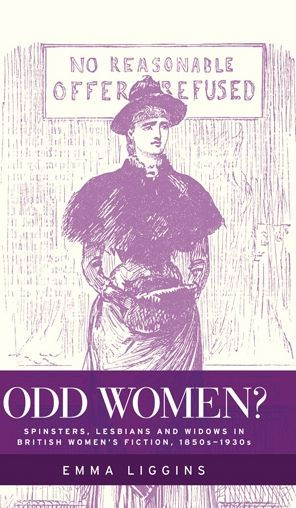
This genealogy of the 'odd woman' compares representations of spinsters, lesbians and widows in British women’s fiction and auto/biography from the 1850s to the 1930s.
Women outside heterosexual marriage in this period were seen as abnormal, superfluous, incomplete and threatening, yet were also hailed as ‘women of the future’. Before 1850 odd women were marginalised, minor characters in British women’s fiction, yet by the 1930s spinsters, lesbians and widows had become heroines. This book examines how women writers, including Charlotte Brontë, Elisabeth Gaskell, Ella Hepworth Dixon, May Sinclair, E. H. Young, Radclyffe Hall, Winifred Holtby and Virginia Woolf, challenged dominant perceptions of singleness and lesbianism in their novels, stories and autobiographies.
Drawing on advice literature, medical texts and feminist polemic, it demonstrates how these narratives responded to contemporary political controversies around the vote, women’s work, sexual inversion and birth control, as well as examining the impact of the First World War.
Women outside heterosexual marriage in this period were seen as abnormal, superfluous, incomplete and threatening, yet were also hailed as ‘women of the future’. Before 1850 odd women were marginalised, minor characters in British women’s fiction, yet by the 1930s spinsters, lesbians and widows had become heroines. This book examines how women writers, including Charlotte Brontë, Elisabeth Gaskell, Ella Hepworth Dixon, May Sinclair, E. H. Young, Radclyffe Hall, Winifred Holtby and Virginia Woolf, challenged dominant perceptions of singleness and lesbianism in their novels, stories and autobiographies.
Drawing on advice literature, medical texts and feminist polemic, it demonstrates how these narratives responded to contemporary political controversies around the vote, women’s work, sexual inversion and birth control, as well as examining the impact of the First World War.
This genealogy of the 'odd woman' compares representations of spinsters, lesbians and widows in British women’s fiction and auto/biography from the 1850s to the 1930s.
Women outside heterosexual marriage in this period were seen as abnormal, superfluous, incomplete and threatening, yet were also hailed as ‘women of the future’. Before 1850 odd women were marginalised, minor characters in British women’s fiction, yet by the 1930s spinsters, lesbians and widows had become heroines. This book examines how women writers, including Charlotte Brontë, Elisabeth Gaskell, Ella Hepworth Dixon, May Sinclair, E. H. Young, Radclyffe Hall, Winifred Holtby and Virginia Woolf, challenged dominant perceptions of singleness and lesbianism in their novels, stories and autobiographies.
Drawing on advice literature, medical texts and feminist polemic, it demonstrates how these narratives responded to contemporary political controversies around the vote, women’s work, sexual inversion and birth control, as well as examining the impact of the First World War.
Women outside heterosexual marriage in this period were seen as abnormal, superfluous, incomplete and threatening, yet were also hailed as ‘women of the future’. Before 1850 odd women were marginalised, minor characters in British women’s fiction, yet by the 1930s spinsters, lesbians and widows had become heroines. This book examines how women writers, including Charlotte Brontë, Elisabeth Gaskell, Ella Hepworth Dixon, May Sinclair, E. H. Young, Radclyffe Hall, Winifred Holtby and Virginia Woolf, challenged dominant perceptions of singleness and lesbianism in their novels, stories and autobiographies.
Drawing on advice literature, medical texts and feminist polemic, it demonstrates how these narratives responded to contemporary political controversies around the vote, women’s work, sexual inversion and birth control, as well as examining the impact of the First World War.
You May Also Like









More About Barnes and Noble at CoolSprings Galleria
Barnes & Noble is the world’s largest retail bookseller and a leading retailer of content, digital media and educational products. Our Nook Digital business offers a lineup of NOOK® tablets and e-Readers and an expansive collection of digital reading content through the NOOK Store®. Barnes & Noble’s mission is to operate the best omni-channel specialty retail business in America, helping both our customers and booksellers reach their aspirations, while being a credit to the communities we serve.
1800 Galleria Blvd #1310, Franklin, TN 37067, United States
Find Barnes and Noble at CoolSprings Galleria in Franklin, TN
Visit Barnes and Noble at CoolSprings Galleria in Franklin, TN