
Home
Pax Economica: Left-Wing Visions of a Free Trade World
Barnes and Noble
Loading Inventory...
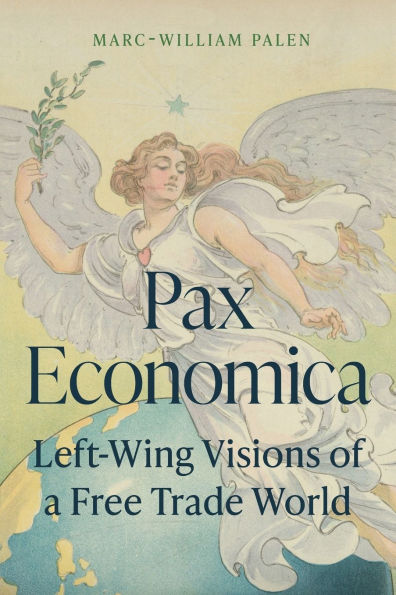
Pax Economica: Left-Wing Visions of a Free Trade World in Franklin, TN
Current price: $35.00
Barnes and Noble
Pax Economica: Left-Wing Visions of a Free Trade World in Franklin, TN
Current price: $35.00
Loading Inventory...
Size: Hardcover
The forgotten history of the liberal radicals, socialist internationalists, feminists, and Christians who envisioned free trade as the necessary prerequisite for antiimperialism and peace
Today, free trade is often associated with rightwing free marketeers. In
Pax Economica
, historian MarcWilliam Palen shows that free trade and globalisation in fact have roots in nineteenthcentury leftwing politics. In this counterhistory of an idea, Palen explores how, beginning in the 1840s, leftwing globalists became the leaders of the peace and antiimperialist movements of their age. By the early twentieth century, an unlikely alliance of liberal radicals, socialist internationalists, feminists, and Christians envisioned free trade as essential for a prosperous and peaceful world order. Of course, this vision was at odds with the era’s strong predilections for nationalism, protectionism, geopolitical conflict, and colonial expansion. Palen reveals how, for some of its most radical leftwing adherents, free trade represented a hardnosed critique of imperialism, militarism, and war.
Palen shows that the antiimperial component of free trade was a phenomenon that came to encompass the political left wing within the British, American, Spanish, German, Dutch, Belgian, Italian, Russian, French, and Japanese empires. The leftwing vision of a “pax economica” evolved to include supranational regulation to maintain a peaceful freetrading system—which paved the way for a more liberal economic order after World War II and such institutions as the United Nations, the European Union, and the World Trade Organization. Palen’s findings upend how we think about globalisation, free trade, antiimperialism, and peace. Rediscovering the leftwing history of globalism offers timely lessons for our own era of economic nationalism and geopolitical conflict.
Today, free trade is often associated with rightwing free marketeers. In
Pax Economica
, historian MarcWilliam Palen shows that free trade and globalisation in fact have roots in nineteenthcentury leftwing politics. In this counterhistory of an idea, Palen explores how, beginning in the 1840s, leftwing globalists became the leaders of the peace and antiimperialist movements of their age. By the early twentieth century, an unlikely alliance of liberal radicals, socialist internationalists, feminists, and Christians envisioned free trade as essential for a prosperous and peaceful world order. Of course, this vision was at odds with the era’s strong predilections for nationalism, protectionism, geopolitical conflict, and colonial expansion. Palen reveals how, for some of its most radical leftwing adherents, free trade represented a hardnosed critique of imperialism, militarism, and war.
Palen shows that the antiimperial component of free trade was a phenomenon that came to encompass the political left wing within the British, American, Spanish, German, Dutch, Belgian, Italian, Russian, French, and Japanese empires. The leftwing vision of a “pax economica” evolved to include supranational regulation to maintain a peaceful freetrading system—which paved the way for a more liberal economic order after World War II and such institutions as the United Nations, the European Union, and the World Trade Organization. Palen’s findings upend how we think about globalisation, free trade, antiimperialism, and peace. Rediscovering the leftwing history of globalism offers timely lessons for our own era of economic nationalism and geopolitical conflict.
The forgotten history of the liberal radicals, socialist internationalists, feminists, and Christians who envisioned free trade as the necessary prerequisite for antiimperialism and peace
Today, free trade is often associated with rightwing free marketeers. In
Pax Economica
, historian MarcWilliam Palen shows that free trade and globalisation in fact have roots in nineteenthcentury leftwing politics. In this counterhistory of an idea, Palen explores how, beginning in the 1840s, leftwing globalists became the leaders of the peace and antiimperialist movements of their age. By the early twentieth century, an unlikely alliance of liberal radicals, socialist internationalists, feminists, and Christians envisioned free trade as essential for a prosperous and peaceful world order. Of course, this vision was at odds with the era’s strong predilections for nationalism, protectionism, geopolitical conflict, and colonial expansion. Palen reveals how, for some of its most radical leftwing adherents, free trade represented a hardnosed critique of imperialism, militarism, and war.
Palen shows that the antiimperial component of free trade was a phenomenon that came to encompass the political left wing within the British, American, Spanish, German, Dutch, Belgian, Italian, Russian, French, and Japanese empires. The leftwing vision of a “pax economica” evolved to include supranational regulation to maintain a peaceful freetrading system—which paved the way for a more liberal economic order after World War II and such institutions as the United Nations, the European Union, and the World Trade Organization. Palen’s findings upend how we think about globalisation, free trade, antiimperialism, and peace. Rediscovering the leftwing history of globalism offers timely lessons for our own era of economic nationalism and geopolitical conflict.
Today, free trade is often associated with rightwing free marketeers. In
Pax Economica
, historian MarcWilliam Palen shows that free trade and globalisation in fact have roots in nineteenthcentury leftwing politics. In this counterhistory of an idea, Palen explores how, beginning in the 1840s, leftwing globalists became the leaders of the peace and antiimperialist movements of their age. By the early twentieth century, an unlikely alliance of liberal radicals, socialist internationalists, feminists, and Christians envisioned free trade as essential for a prosperous and peaceful world order. Of course, this vision was at odds with the era’s strong predilections for nationalism, protectionism, geopolitical conflict, and colonial expansion. Palen reveals how, for some of its most radical leftwing adherents, free trade represented a hardnosed critique of imperialism, militarism, and war.
Palen shows that the antiimperial component of free trade was a phenomenon that came to encompass the political left wing within the British, American, Spanish, German, Dutch, Belgian, Italian, Russian, French, and Japanese empires. The leftwing vision of a “pax economica” evolved to include supranational regulation to maintain a peaceful freetrading system—which paved the way for a more liberal economic order after World War II and such institutions as the United Nations, the European Union, and the World Trade Organization. Palen’s findings upend how we think about globalisation, free trade, antiimperialism, and peace. Rediscovering the leftwing history of globalism offers timely lessons for our own era of economic nationalism and geopolitical conflict.
You May Also Like













More About Barnes and Noble at CoolSprings Galleria
Barnes & Noble is the world’s largest retail bookseller and a leading retailer of content, digital media and educational products. Our Nook Digital business offers a lineup of NOOK® tablets and e-Readers and an expansive collection of digital reading content through the NOOK Store®. Barnes & Noble’s mission is to operate the best omni-channel specialty retail business in America, helping both our customers and booksellers reach their aspirations, while being a credit to the communities we serve.
1800 Galleria Blvd #1310, Franklin, TN 37067, United States
Find Barnes and Noble at CoolSprings Galleria in Franklin, TN
Visit Barnes and Noble at CoolSprings Galleria in Franklin, TN
