
Home
Plastic Injection Molding
Barnes and Noble
Loading Inventory...
Plastic Injection Molding in Franklin, TN
Current price: $129.99
Barnes and Noble
Plastic Injection Molding in Franklin, TN
Current price: $129.99
Loading Inventory...
Size: OS
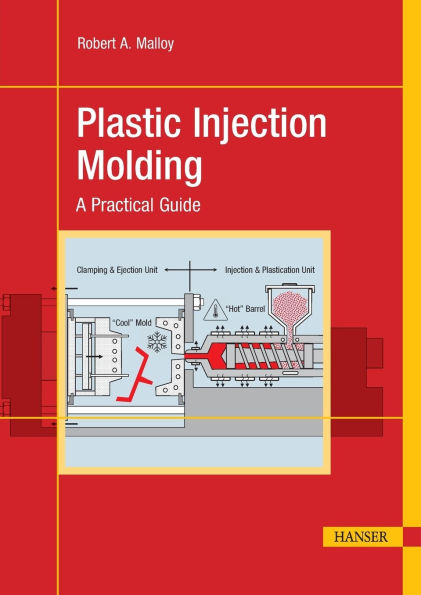
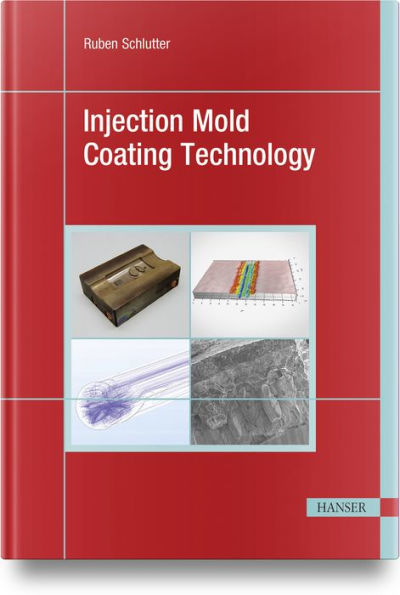
This is a practical guide to injection molding based on sound engineering fundamentals. It is an ideal course book for mechanical engineers with limited plastic material and injection molding experience, but is also well applicable to selfstudy or reference.
It starts with an overview of plastic material fundamentals. Each section includes material considerations associated with the injection molding process. For example, the molecular weight section shows that use of lower molecular weight plastics are commonly used for the injection molding to minimize orientation, reduce fill time, improve knit line strength. Then, the basics of the injection molding machine, tooling, auxiliary equipment and molding process are introduced. The machine components and component selection for a given application are next considered in more detail.
The process/procedure for establishing optimum process conditions for a “new” mold and material (not run previously by the reader) are next described. Finally, a range of other more specialized injection molding processes that are still of practical importance are covered.
From a leading author and educator in the area of injection molding, this book gives engineers and process technicians the knowledge and confidence they need to produce highquality parts reliably and efficiently.
It starts with an overview of plastic material fundamentals. Each section includes material considerations associated with the injection molding process. For example, the molecular weight section shows that use of lower molecular weight plastics are commonly used for the injection molding to minimize orientation, reduce fill time, improve knit line strength. Then, the basics of the injection molding machine, tooling, auxiliary equipment and molding process are introduced. The machine components and component selection for a given application are next considered in more detail.
The process/procedure for establishing optimum process conditions for a “new” mold and material (not run previously by the reader) are next described. Finally, a range of other more specialized injection molding processes that are still of practical importance are covered.
From a leading author and educator in the area of injection molding, this book gives engineers and process technicians the knowledge and confidence they need to produce highquality parts reliably and efficiently.
This is a practical guide to injection molding based on sound engineering fundamentals. It is an ideal course book for mechanical engineers with limited plastic material and injection molding experience, but is also well applicable to selfstudy or reference.
It starts with an overview of plastic material fundamentals. Each section includes material considerations associated with the injection molding process. For example, the molecular weight section shows that use of lower molecular weight plastics are commonly used for the injection molding to minimize orientation, reduce fill time, improve knit line strength. Then, the basics of the injection molding machine, tooling, auxiliary equipment and molding process are introduced. The machine components and component selection for a given application are next considered in more detail.
The process/procedure for establishing optimum process conditions for a “new” mold and material (not run previously by the reader) are next described. Finally, a range of other more specialized injection molding processes that are still of practical importance are covered.
From a leading author and educator in the area of injection molding, this book gives engineers and process technicians the knowledge and confidence they need to produce highquality parts reliably and efficiently.
It starts with an overview of plastic material fundamentals. Each section includes material considerations associated with the injection molding process. For example, the molecular weight section shows that use of lower molecular weight plastics are commonly used for the injection molding to minimize orientation, reduce fill time, improve knit line strength. Then, the basics of the injection molding machine, tooling, auxiliary equipment and molding process are introduced. The machine components and component selection for a given application are next considered in more detail.
The process/procedure for establishing optimum process conditions for a “new” mold and material (not run previously by the reader) are next described. Finally, a range of other more specialized injection molding processes that are still of practical importance are covered.
From a leading author and educator in the area of injection molding, this book gives engineers and process technicians the knowledge and confidence they need to produce highquality parts reliably and efficiently.
You May Also Like













More About Barnes and Noble at CoolSprings Galleria
Barnes & Noble is the world’s largest retail bookseller and a leading retailer of content, digital media and educational products. Our Nook Digital business offers a lineup of NOOK® tablets and e-Readers and an expansive collection of digital reading content through the NOOK Store®. Barnes & Noble’s mission is to operate the best omni-channel specialty retail business in America, helping both our customers and booksellers reach their aspirations, while being a credit to the communities we serve.
1800 Galleria Blvd #1310, Franklin, TN 37067, United States
Find Barnes and Noble at CoolSprings Galleria in Franklin, TN
Visit Barnes and Noble at CoolSprings Galleria in Franklin, TN
