
Home
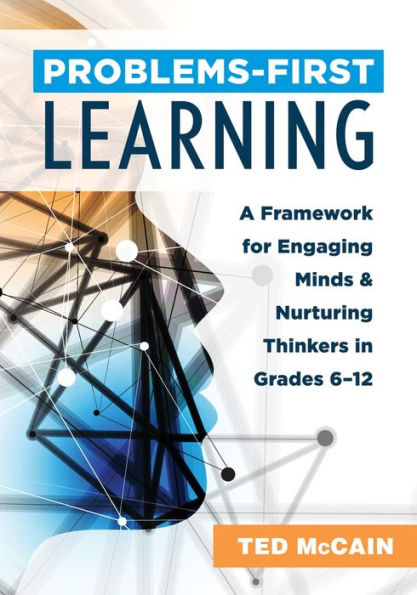
problems-first Learning: A Framework for Engaging Minds and Nurturing Thinkers Grades 6-12 (A teacher's guide to boosting student engagement with the instructional method of learning)
Barnes and Noble
Loading Inventory...
problems-first Learning: A Framework for Engaging Minds and Nurturing Thinkers Grades 6-12 (A teacher's guide to boosting student engagement with the instructional method of learning) in Franklin, TN
Current price: $40.95
Barnes and Noble
problems-first Learning: A Framework for Engaging Minds and Nurturing Thinkers Grades 6-12 (A teacher's guide to boosting student engagement with the instructional method of learning) in Franklin, TN
Current price: $40.95
Loading Inventory...
Size: Paperback
The educational pattern of lecture, listen, and forget is deeply ingrained in schools. In this userfriendly resource, author Ted McCain offers a compelling alternative that flips lessons on their heads: the problemsfirst instructional method. Using this method, you will fully engage students by first introducing a problem and then empowering learners to solve it using creativity, innovation, collaboration, and other essential skills.
Use this resource to help students achieve higher levels of thinking:
Identify the need for instructional change in the current educational system.
Consider the transferable skills students need for solving problems in the workplace and in life outside the classroom.
Study the benefits of a problemsfirst teaching style.
Learn to implement problemsfirst methods into existing classrooms.
Understand how this method teaches seven essential 21st century skills highly desired in the modern workforce.
Discover how to introduce roleplay into the classroom and broaden lessons to encompass wholemind learning and boost student engagement.
Contents:
Acknowledgments
Table of Contents
About the Author
Introduction
Part One: Understanding New Needs and a New Approach for a Digital Generation
Chapter 1: The New Needs of a Changing Generation
Chapter 2: The Thinking and Processing Skills Students Need for the Future
Chapter 3: The Key to a New Approach
Part Two: Learning How to Create ProblemsFirst Projects
Chapter 4: Envision a New Role for the Teacher
Chapter 5: Ensure That Problems Are First, Teaching Is Second
Chapter 6: Establish a RealWorld Link Using RolePlay
Chapter 7: Expand Your View of the Curriculum
Chapter 8: Equip Students With the 4 Ds of Problem Solving
Chapter 9: Elevate the Students’ Level of Thought
Chapter 10: Educate the Whole Mind
Chapter 11: Evaluate Holistically
Chapter 12: Ease Yourself Out of the Picture
Part Three: Making the Shift to ProblemsFirst Teaching
Chapter 13: Pointers for Shifting to a ProblemsFirst Approach
Chapter 14: Examples of ProblemsFirst Lesson Plans
References and Resources
Index
Use this resource to help students achieve higher levels of thinking:
Identify the need for instructional change in the current educational system.
Consider the transferable skills students need for solving problems in the workplace and in life outside the classroom.
Study the benefits of a problemsfirst teaching style.
Learn to implement problemsfirst methods into existing classrooms.
Understand how this method teaches seven essential 21st century skills highly desired in the modern workforce.
Discover how to introduce roleplay into the classroom and broaden lessons to encompass wholemind learning and boost student engagement.
Contents:
Acknowledgments
Table of Contents
About the Author
Introduction
Part One: Understanding New Needs and a New Approach for a Digital Generation
Chapter 1: The New Needs of a Changing Generation
Chapter 2: The Thinking and Processing Skills Students Need for the Future
Chapter 3: The Key to a New Approach
Part Two: Learning How to Create ProblemsFirst Projects
Chapter 4: Envision a New Role for the Teacher
Chapter 5: Ensure That Problems Are First, Teaching Is Second
Chapter 6: Establish a RealWorld Link Using RolePlay
Chapter 7: Expand Your View of the Curriculum
Chapter 8: Equip Students With the 4 Ds of Problem Solving
Chapter 9: Elevate the Students’ Level of Thought
Chapter 10: Educate the Whole Mind
Chapter 11: Evaluate Holistically
Chapter 12: Ease Yourself Out of the Picture
Part Three: Making the Shift to ProblemsFirst Teaching
Chapter 13: Pointers for Shifting to a ProblemsFirst Approach
Chapter 14: Examples of ProblemsFirst Lesson Plans
References and Resources
Index
The educational pattern of lecture, listen, and forget is deeply ingrained in schools. In this userfriendly resource, author Ted McCain offers a compelling alternative that flips lessons on their heads: the problemsfirst instructional method. Using this method, you will fully engage students by first introducing a problem and then empowering learners to solve it using creativity, innovation, collaboration, and other essential skills.
Use this resource to help students achieve higher levels of thinking:
Identify the need for instructional change in the current educational system.
Consider the transferable skills students need for solving problems in the workplace and in life outside the classroom.
Study the benefits of a problemsfirst teaching style.
Learn to implement problemsfirst methods into existing classrooms.
Understand how this method teaches seven essential 21st century skills highly desired in the modern workforce.
Discover how to introduce roleplay into the classroom and broaden lessons to encompass wholemind learning and boost student engagement.
Contents:
Acknowledgments
Table of Contents
About the Author
Introduction
Part One: Understanding New Needs and a New Approach for a Digital Generation
Chapter 1: The New Needs of a Changing Generation
Chapter 2: The Thinking and Processing Skills Students Need for the Future
Chapter 3: The Key to a New Approach
Part Two: Learning How to Create ProblemsFirst Projects
Chapter 4: Envision a New Role for the Teacher
Chapter 5: Ensure That Problems Are First, Teaching Is Second
Chapter 6: Establish a RealWorld Link Using RolePlay
Chapter 7: Expand Your View of the Curriculum
Chapter 8: Equip Students With the 4 Ds of Problem Solving
Chapter 9: Elevate the Students’ Level of Thought
Chapter 10: Educate the Whole Mind
Chapter 11: Evaluate Holistically
Chapter 12: Ease Yourself Out of the Picture
Part Three: Making the Shift to ProblemsFirst Teaching
Chapter 13: Pointers for Shifting to a ProblemsFirst Approach
Chapter 14: Examples of ProblemsFirst Lesson Plans
References and Resources
Index
Use this resource to help students achieve higher levels of thinking:
Identify the need for instructional change in the current educational system.
Consider the transferable skills students need for solving problems in the workplace and in life outside the classroom.
Study the benefits of a problemsfirst teaching style.
Learn to implement problemsfirst methods into existing classrooms.
Understand how this method teaches seven essential 21st century skills highly desired in the modern workforce.
Discover how to introduce roleplay into the classroom and broaden lessons to encompass wholemind learning and boost student engagement.
Contents:
Acknowledgments
Table of Contents
About the Author
Introduction
Part One: Understanding New Needs and a New Approach for a Digital Generation
Chapter 1: The New Needs of a Changing Generation
Chapter 2: The Thinking and Processing Skills Students Need for the Future
Chapter 3: The Key to a New Approach
Part Two: Learning How to Create ProblemsFirst Projects
Chapter 4: Envision a New Role for the Teacher
Chapter 5: Ensure That Problems Are First, Teaching Is Second
Chapter 6: Establish a RealWorld Link Using RolePlay
Chapter 7: Expand Your View of the Curriculum
Chapter 8: Equip Students With the 4 Ds of Problem Solving
Chapter 9: Elevate the Students’ Level of Thought
Chapter 10: Educate the Whole Mind
Chapter 11: Evaluate Holistically
Chapter 12: Ease Yourself Out of the Picture
Part Three: Making the Shift to ProblemsFirst Teaching
Chapter 13: Pointers for Shifting to a ProblemsFirst Approach
Chapter 14: Examples of ProblemsFirst Lesson Plans
References and Resources
Index
You May Also Like













More About Barnes and Noble at CoolSprings Galleria
Barnes & Noble is the world’s largest retail bookseller and a leading retailer of content, digital media and educational products. Our Nook Digital business offers a lineup of NOOK® tablets and e-Readers and an expansive collection of digital reading content through the NOOK Store®. Barnes & Noble’s mission is to operate the best omni-channel specialty retail business in America, helping both our customers and booksellers reach their aspirations, while being a credit to the communities we serve.
1800 Galleria Blvd #1310, Franklin, TN 37067, United States
Find Barnes and Noble at CoolSprings Galleria in Franklin, TN
Visit Barnes and Noble at CoolSprings Galleria in Franklin, TN
