
Home
Pulp Fiction
Barnes and Noble
Loading Inventory...
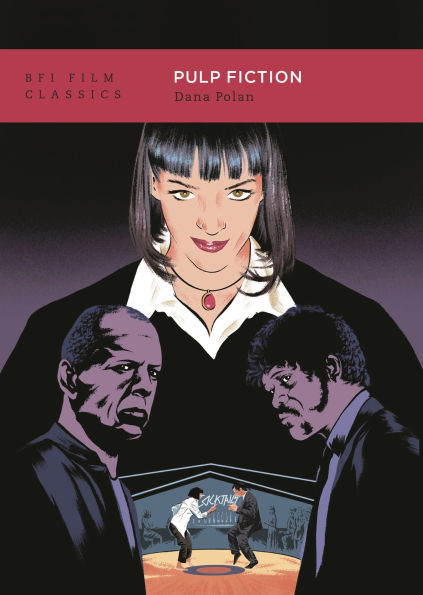
Pulp Fiction in Franklin, TN
Current price: $17.95
Barnes and Noble
Pulp Fiction in Franklin, TN
Current price: $17.95
Loading Inventory...
Size: Paperback
Pulp Fiction
was one of the films that defined American cinema of the 1990s, and remains one of the stand-out movies of its director Quentin Tarantino. Tarantino's style - violent, fast, funny and full of knowing pop culture references - epitomises 90s post-modernism.
was a phenomenal cult success and one of the first films to generate hot debate in internet chatrooms and on fan websites.
Dana Polan's compelling analysis sets out to uncover the style and technique of
. He shows how broad Tarantino's points of reference are, and analyzes the film's narrative accomplishment and complexity. Where some critics dismissed
for its violence and its worship of a certain brand of cool, Polan shows how the film exemplifies new kinds of engagement with cultural and social codes, such as those around racial identity. In addition, Polan argues that the film's celebration of macho attitudes is more nuanced than might first appear. In a new afterword to this new edition, Polan looks back on Pulp Fiction 30 years after its first release.
was one of the films that defined American cinema of the 1990s, and remains one of the stand-out movies of its director Quentin Tarantino. Tarantino's style - violent, fast, funny and full of knowing pop culture references - epitomises 90s post-modernism.
was a phenomenal cult success and one of the first films to generate hot debate in internet chatrooms and on fan websites.
Dana Polan's compelling analysis sets out to uncover the style and technique of
. He shows how broad Tarantino's points of reference are, and analyzes the film's narrative accomplishment and complexity. Where some critics dismissed
for its violence and its worship of a certain brand of cool, Polan shows how the film exemplifies new kinds of engagement with cultural and social codes, such as those around racial identity. In addition, Polan argues that the film's celebration of macho attitudes is more nuanced than might first appear. In a new afterword to this new edition, Polan looks back on Pulp Fiction 30 years after its first release.
Pulp Fiction
was one of the films that defined American cinema of the 1990s, and remains one of the stand-out movies of its director Quentin Tarantino. Tarantino's style - violent, fast, funny and full of knowing pop culture references - epitomises 90s post-modernism.
was a phenomenal cult success and one of the first films to generate hot debate in internet chatrooms and on fan websites.
Dana Polan's compelling analysis sets out to uncover the style and technique of
. He shows how broad Tarantino's points of reference are, and analyzes the film's narrative accomplishment and complexity. Where some critics dismissed
for its violence and its worship of a certain brand of cool, Polan shows how the film exemplifies new kinds of engagement with cultural and social codes, such as those around racial identity. In addition, Polan argues that the film's celebration of macho attitudes is more nuanced than might first appear. In a new afterword to this new edition, Polan looks back on Pulp Fiction 30 years after its first release.
was one of the films that defined American cinema of the 1990s, and remains one of the stand-out movies of its director Quentin Tarantino. Tarantino's style - violent, fast, funny and full of knowing pop culture references - epitomises 90s post-modernism.
was a phenomenal cult success and one of the first films to generate hot debate in internet chatrooms and on fan websites.
Dana Polan's compelling analysis sets out to uncover the style and technique of
. He shows how broad Tarantino's points of reference are, and analyzes the film's narrative accomplishment and complexity. Where some critics dismissed
for its violence and its worship of a certain brand of cool, Polan shows how the film exemplifies new kinds of engagement with cultural and social codes, such as those around racial identity. In addition, Polan argues that the film's celebration of macho attitudes is more nuanced than might first appear. In a new afterword to this new edition, Polan looks back on Pulp Fiction 30 years after its first release.
You May Also Like












More About Barnes and Noble at CoolSprings Galleria
Barnes & Noble is the world’s largest retail bookseller and a leading retailer of content, digital media and educational products. Our Nook Digital business offers a lineup of NOOK® tablets and e-Readers and an expansive collection of digital reading content through the NOOK Store®. Barnes & Noble’s mission is to operate the best omni-channel specialty retail business in America, helping both our customers and booksellers reach their aspirations, while being a credit to the communities we serve.
1800 Galleria Blvd #1310, Franklin, TN 37067, United States
Find Barnes and Noble at CoolSprings Galleria in Franklin, TN
Visit Barnes and Noble at CoolSprings Galleria in Franklin, TN
