
Home
Relationships Between Political Development and Intervention
Barnes and Noble
Loading Inventory...
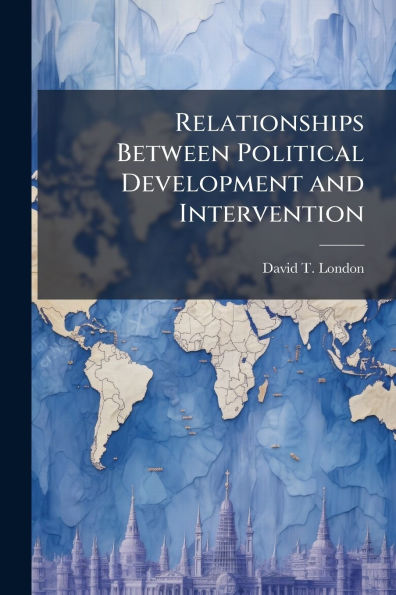
Relationships Between Political Development and Intervention in Franklin, TN
Current price: $29.95
Barnes and Noble
Relationships Between Political Development and Intervention in Franklin, TN
Current price: $29.95
Loading Inventory...
Size: Hardcover
The Democratic Republic of the Congo (the Congo) received its independence from Belgium on 30 June 1960. The Congo's political development from the 1700s to 1960 resulted in a democratically elected Congolese administration that at the time of independence was unable to operate the national government or the economy. As a result, the Congo became a failing state within days of gaining independence. Beginning with King Leopold II's reign over the Congo in 1885 and continuing under the administrations of President Joseph Mobutu, President Laurent Kabila, and President Joseph Kabila, successive Congolese administrations employed four governing practices that undermined the country's stability. Congolese administrations relied upon foreign political support to retain power. They used private international companies to fulfill many security and economic functions. They manipulated ethnic differences within their populations to maintain control, and they used the state's resources to increase their own personal wealth and power at the expense of the Congo's larger social well being. These governing practices have both helped and thwarted international interventions into the Congo since 1960. Between 1960 and 2005, the United Nations, the international community, and various African states launched interventions into the Congo. The intervening entities used a combination of military, political, and economic means to stabilize the Congo. The interventions varied in their use of opportunities made available by the Congo's state of political development. Examples of such opportunities included the widespread public support for democratic rule, the presence of a democratically elected administration, and the Congo's dependence on foreign aid. Most of the interventions ignored existing opportunities to improve the stability of the Congo's government and instead pursued the national interests of the intervening entities, often to the detriment of the larger Congolese population
The Democratic Republic of the Congo (the Congo) received its independence from Belgium on 30 June 1960. The Congo's political development from the 1700s to 1960 resulted in a democratically elected Congolese administration that at the time of independence was unable to operate the national government or the economy. As a result, the Congo became a failing state within days of gaining independence. Beginning with King Leopold II's reign over the Congo in 1885 and continuing under the administrations of President Joseph Mobutu, President Laurent Kabila, and President Joseph Kabila, successive Congolese administrations employed four governing practices that undermined the country's stability. Congolese administrations relied upon foreign political support to retain power. They used private international companies to fulfill many security and economic functions. They manipulated ethnic differences within their populations to maintain control, and they used the state's resources to increase their own personal wealth and power at the expense of the Congo's larger social well being. These governing practices have both helped and thwarted international interventions into the Congo since 1960. Between 1960 and 2005, the United Nations, the international community, and various African states launched interventions into the Congo. The intervening entities used a combination of military, political, and economic means to stabilize the Congo. The interventions varied in their use of opportunities made available by the Congo's state of political development. Examples of such opportunities included the widespread public support for democratic rule, the presence of a democratically elected administration, and the Congo's dependence on foreign aid. Most of the interventions ignored existing opportunities to improve the stability of the Congo's government and instead pursued the national interests of the intervening entities, often to the detriment of the larger Congolese population
You May Also Like











More About Barnes and Noble at CoolSprings Galleria
Barnes & Noble is the world’s largest retail bookseller and a leading retailer of content, digital media and educational products. Our Nook Digital business offers a lineup of NOOK® tablets and e-Readers and an expansive collection of digital reading content through the NOOK Store®. Barnes & Noble’s mission is to operate the best omni-channel specialty retail business in America, helping both our customers and booksellers reach their aspirations, while being a credit to the communities we serve.
1800 Galleria Blvd #1310, Franklin, TN 37067, United States
Find Barnes and Noble at CoolSprings Galleria in Franklin, TN
Visit Barnes and Noble at CoolSprings Galleria in Franklin, TN
