
Home
Restorative Approaches to Intimate Partner Violence
Barnes and Noble
Loading Inventory...
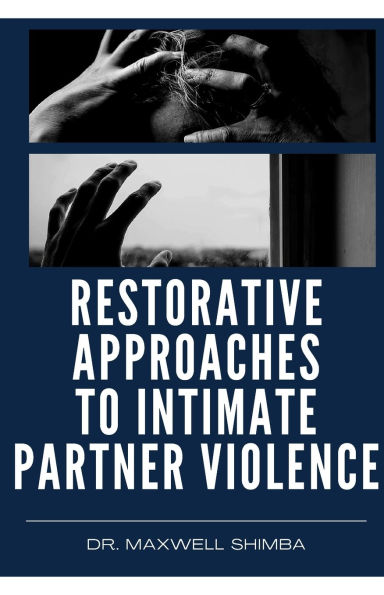
Restorative Approaches to Intimate Partner Violence in Franklin, TN
Current price: $19.99
Barnes and Noble
Restorative Approaches to Intimate Partner Violence in Franklin, TN
Current price: $19.99
Loading Inventory...
Size: Paperback
Restorative Approaches to Intimate Partner Violence
by
Dr. Maxwell Shimba
offers a bold reimagining of how justice systems can better address the challenges of
intimate partner violence (IPV)
. Grounded in a deep understanding of
restorative justice
, the book argues for a shift away from punitive responses toward frameworks that prioritize
healing, accountability
, and
empowerment
for survivors. Drawing on global examples, Dr. Shimba examines how
victim-offender mediation (VOM)
and
community-based restorative practices
can provide survivors with a sense of closure and safety, while also addressing the root causes of abusive behavior. The book explores the delicate balance of implementing restorative justice in cases of IPV, where the potential for transformative outcomes must be carefully weighed against risks like re-traumatization and coercion.
At the heart of the book is an exploration of
survivor-centered approaches
, which place survivors' needs and agency at the forefront of restorative justice practices. Dr. Shimba emphasizes that IPV survivors must always have control over their participation in restorative processes and that these processes must be designed with strict safeguards to ensure
emotional and physical safety
. The book delves into the role of
trauma-informed care
in restorative justice, explaining how mediators and facilitators can create spaces that allow survivors to feel heard and supported without re-experiencing their trauma. Practical insights into managing
power imbalances
between survivors and offenders are presented, offering strategies for ensuring that restorative justice does not inadvertently replicate patterns of abuse.
A significant portion of the book is dedicated to
real-world case studies
, examining restorative justice programs in countries like
Canada
,
New Zealand
South Africa
. These case studies highlight both the successes and challenges of applying restorative principles to IPV cases. For instance, Dr. Shimba discusses programs where survivors reported feeling
empowered
and offenders demonstrated genuine accountability, leading to reduced recidivism. Conversely, the book also critically analyzes cases where restorative justice failed to address
systemic power dynamics
, leaving survivors feeling further disempowered. These examples serve as both inspiration and cautionary tales, offering readers a nuanced view of restorative justice's potential and limitations.
Dr. Shimba also explores the role of
technology
in expanding access to restorative justice. Innovations such as
AI-supported risk assessment tools
virtual mediation platforms
are becoming integral to the screening and facilitation of IPV cases. The book discusses how these tools can enhance safety, improve decision-making, and reduce barriers for survivors in remote or underserved areas. However, Dr. Shimba remains cautious, addressing the ethical considerations and potential pitfalls of integrating technology into sensitive restorative justice processes. For instance, he raises concerns about
data privacy
and the over-reliance on algorithms in decision-making.
by
Dr. Maxwell Shimba
offers a bold reimagining of how justice systems can better address the challenges of
intimate partner violence (IPV)
. Grounded in a deep understanding of
restorative justice
, the book argues for a shift away from punitive responses toward frameworks that prioritize
healing, accountability
, and
empowerment
for survivors. Drawing on global examples, Dr. Shimba examines how
victim-offender mediation (VOM)
and
community-based restorative practices
can provide survivors with a sense of closure and safety, while also addressing the root causes of abusive behavior. The book explores the delicate balance of implementing restorative justice in cases of IPV, where the potential for transformative outcomes must be carefully weighed against risks like re-traumatization and coercion.
At the heart of the book is an exploration of
survivor-centered approaches
, which place survivors' needs and agency at the forefront of restorative justice practices. Dr. Shimba emphasizes that IPV survivors must always have control over their participation in restorative processes and that these processes must be designed with strict safeguards to ensure
emotional and physical safety
. The book delves into the role of
trauma-informed care
in restorative justice, explaining how mediators and facilitators can create spaces that allow survivors to feel heard and supported without re-experiencing their trauma. Practical insights into managing
power imbalances
between survivors and offenders are presented, offering strategies for ensuring that restorative justice does not inadvertently replicate patterns of abuse.
A significant portion of the book is dedicated to
real-world case studies
, examining restorative justice programs in countries like
Canada
,
New Zealand
South Africa
. These case studies highlight both the successes and challenges of applying restorative principles to IPV cases. For instance, Dr. Shimba discusses programs where survivors reported feeling
empowered
and offenders demonstrated genuine accountability, leading to reduced recidivism. Conversely, the book also critically analyzes cases where restorative justice failed to address
systemic power dynamics
, leaving survivors feeling further disempowered. These examples serve as both inspiration and cautionary tales, offering readers a nuanced view of restorative justice's potential and limitations.
Dr. Shimba also explores the role of
technology
in expanding access to restorative justice. Innovations such as
AI-supported risk assessment tools
virtual mediation platforms
are becoming integral to the screening and facilitation of IPV cases. The book discusses how these tools can enhance safety, improve decision-making, and reduce barriers for survivors in remote or underserved areas. However, Dr. Shimba remains cautious, addressing the ethical considerations and potential pitfalls of integrating technology into sensitive restorative justice processes. For instance, he raises concerns about
data privacy
and the over-reliance on algorithms in decision-making.
Restorative Approaches to Intimate Partner Violence
by
Dr. Maxwell Shimba
offers a bold reimagining of how justice systems can better address the challenges of
intimate partner violence (IPV)
. Grounded in a deep understanding of
restorative justice
, the book argues for a shift away from punitive responses toward frameworks that prioritize
healing, accountability
, and
empowerment
for survivors. Drawing on global examples, Dr. Shimba examines how
victim-offender mediation (VOM)
and
community-based restorative practices
can provide survivors with a sense of closure and safety, while also addressing the root causes of abusive behavior. The book explores the delicate balance of implementing restorative justice in cases of IPV, where the potential for transformative outcomes must be carefully weighed against risks like re-traumatization and coercion.
At the heart of the book is an exploration of
survivor-centered approaches
, which place survivors' needs and agency at the forefront of restorative justice practices. Dr. Shimba emphasizes that IPV survivors must always have control over their participation in restorative processes and that these processes must be designed with strict safeguards to ensure
emotional and physical safety
. The book delves into the role of
trauma-informed care
in restorative justice, explaining how mediators and facilitators can create spaces that allow survivors to feel heard and supported without re-experiencing their trauma. Practical insights into managing
power imbalances
between survivors and offenders are presented, offering strategies for ensuring that restorative justice does not inadvertently replicate patterns of abuse.
A significant portion of the book is dedicated to
real-world case studies
, examining restorative justice programs in countries like
Canada
,
New Zealand
South Africa
. These case studies highlight both the successes and challenges of applying restorative principles to IPV cases. For instance, Dr. Shimba discusses programs where survivors reported feeling
empowered
and offenders demonstrated genuine accountability, leading to reduced recidivism. Conversely, the book also critically analyzes cases where restorative justice failed to address
systemic power dynamics
, leaving survivors feeling further disempowered. These examples serve as both inspiration and cautionary tales, offering readers a nuanced view of restorative justice's potential and limitations.
Dr. Shimba also explores the role of
technology
in expanding access to restorative justice. Innovations such as
AI-supported risk assessment tools
virtual mediation platforms
are becoming integral to the screening and facilitation of IPV cases. The book discusses how these tools can enhance safety, improve decision-making, and reduce barriers for survivors in remote or underserved areas. However, Dr. Shimba remains cautious, addressing the ethical considerations and potential pitfalls of integrating technology into sensitive restorative justice processes. For instance, he raises concerns about
data privacy
and the over-reliance on algorithms in decision-making.
by
Dr. Maxwell Shimba
offers a bold reimagining of how justice systems can better address the challenges of
intimate partner violence (IPV)
. Grounded in a deep understanding of
restorative justice
, the book argues for a shift away from punitive responses toward frameworks that prioritize
healing, accountability
, and
empowerment
for survivors. Drawing on global examples, Dr. Shimba examines how
victim-offender mediation (VOM)
and
community-based restorative practices
can provide survivors with a sense of closure and safety, while also addressing the root causes of abusive behavior. The book explores the delicate balance of implementing restorative justice in cases of IPV, where the potential for transformative outcomes must be carefully weighed against risks like re-traumatization and coercion.
At the heart of the book is an exploration of
survivor-centered approaches
, which place survivors' needs and agency at the forefront of restorative justice practices. Dr. Shimba emphasizes that IPV survivors must always have control over their participation in restorative processes and that these processes must be designed with strict safeguards to ensure
emotional and physical safety
. The book delves into the role of
trauma-informed care
in restorative justice, explaining how mediators and facilitators can create spaces that allow survivors to feel heard and supported without re-experiencing their trauma. Practical insights into managing
power imbalances
between survivors and offenders are presented, offering strategies for ensuring that restorative justice does not inadvertently replicate patterns of abuse.
A significant portion of the book is dedicated to
real-world case studies
, examining restorative justice programs in countries like
Canada
,
New Zealand
South Africa
. These case studies highlight both the successes and challenges of applying restorative principles to IPV cases. For instance, Dr. Shimba discusses programs where survivors reported feeling
empowered
and offenders demonstrated genuine accountability, leading to reduced recidivism. Conversely, the book also critically analyzes cases where restorative justice failed to address
systemic power dynamics
, leaving survivors feeling further disempowered. These examples serve as both inspiration and cautionary tales, offering readers a nuanced view of restorative justice's potential and limitations.
Dr. Shimba also explores the role of
technology
in expanding access to restorative justice. Innovations such as
AI-supported risk assessment tools
virtual mediation platforms
are becoming integral to the screening and facilitation of IPV cases. The book discusses how these tools can enhance safety, improve decision-making, and reduce barriers for survivors in remote or underserved areas. However, Dr. Shimba remains cautious, addressing the ethical considerations and potential pitfalls of integrating technology into sensitive restorative justice processes. For instance, he raises concerns about
data privacy
and the over-reliance on algorithms in decision-making.
You May Also Like
















More About Barnes and Noble at CoolSprings Galleria
Barnes & Noble is the world’s largest retail bookseller and a leading retailer of content, digital media and educational products. Our Nook Digital business offers a lineup of NOOK® tablets and e-Readers and an expansive collection of digital reading content through the NOOK Store®. Barnes & Noble’s mission is to operate the best omni-channel specialty retail business in America, helping both our customers and booksellers reach their aspirations, while being a credit to the communities we serve.
1800 Galleria Blvd #1310, Franklin, TN 37067, United States
Find Barnes and Noble at CoolSprings Galleria in Franklin, TN
Visit Barnes and Noble at CoolSprings Galleria in Franklin, TN