
Home
Robbie Robertson
Barnes and Noble
Loading Inventory...
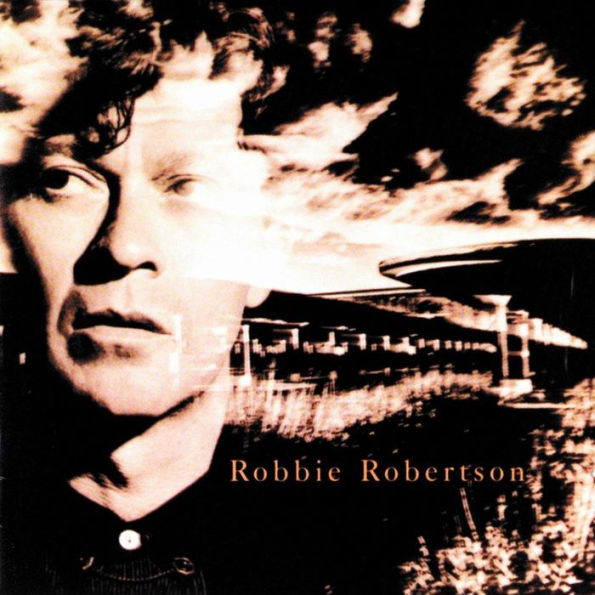
Robbie Robertson in Franklin, TN
Current price: $16.99
Barnes and Noble
Robbie Robertson in Franklin, TN
Current price: $16.99
Loading Inventory...
Size: OS
Robbie Robertson
was once asked why he waited 11 years after the breakup of
the Band
to release a solo project, and he replied, "I wasn't so sure I had something to say." One can hear a bit of this thinking in
Robertson
's self-titled solo debut; it's obvious that he didn't care to revisit the
country
- and
blues
-flavored
roots rock
that had been his bread and butter with
, and at the same time
seemed determined to make an album that had something important to say, and could stand alongside his legendary earlier work. Looking for a moody and atmospheric sound,
teamed up with producer
Daniel Lanois
, who had previously worked with
U2
and
Peter Gabriel
, two artists whose work obviously influenced
's musical thinking while he was making the album (they both appear on the album as well). As a result,
is an album that represents both a clear break from his past, and an ambitious attempt to take his fascination with American culture and music in a new and contemporary direction. It's highly ambitious stuff, and the album's ambitions sometimes prove to be its Achilles' heel.
's collaboration with
,
"Sweet Fire of Love,"
sounds like a rather unremarkable outtake from
The Joshua Tree
, with the group's aural bombast subsuming the ostensive leader of the session, while
"Fallen Angel,"
"American Roulette,"
"Somewhere Down the Crazy River"
find
exploring the same iconography of
's best work, but without the same grace or subtle wit. And it doesn't take long to realize why
Robbie
only took two lead vocals during his tenure with
; his dry, reedy voice isn't bad, but it lacks the force and authority to communicate the big themes
wants to bring across. Despite all this,
does have its share of pearly moments, especially on the bitter
"Hell's Half Acre,"
"Sonny Got Caught in the Moonlight,"
"Broken Arrow"
(a performance more subtle and effective than
Rod Stewart
's better-known cover).
isn't the masterpiece its creator was obviously striving towards, but it's an intelligent and often compelling set from an inarguably important artist, and it comes a good bit closer to capturing what made
's work so memorable than the latter-day efforts from
Levon Helm
and company. ~ Mark Deming
was once asked why he waited 11 years after the breakup of
the Band
to release a solo project, and he replied, "I wasn't so sure I had something to say." One can hear a bit of this thinking in
Robertson
's self-titled solo debut; it's obvious that he didn't care to revisit the
country
- and
blues
-flavored
roots rock
that had been his bread and butter with
, and at the same time
seemed determined to make an album that had something important to say, and could stand alongside his legendary earlier work. Looking for a moody and atmospheric sound,
teamed up with producer
Daniel Lanois
, who had previously worked with
U2
and
Peter Gabriel
, two artists whose work obviously influenced
's musical thinking while he was making the album (they both appear on the album as well). As a result,
is an album that represents both a clear break from his past, and an ambitious attempt to take his fascination with American culture and music in a new and contemporary direction. It's highly ambitious stuff, and the album's ambitions sometimes prove to be its Achilles' heel.
's collaboration with
,
"Sweet Fire of Love,"
sounds like a rather unremarkable outtake from
The Joshua Tree
, with the group's aural bombast subsuming the ostensive leader of the session, while
"Fallen Angel,"
"American Roulette,"
"Somewhere Down the Crazy River"
find
exploring the same iconography of
's best work, but without the same grace or subtle wit. And it doesn't take long to realize why
Robbie
only took two lead vocals during his tenure with
; his dry, reedy voice isn't bad, but it lacks the force and authority to communicate the big themes
wants to bring across. Despite all this,
does have its share of pearly moments, especially on the bitter
"Hell's Half Acre,"
"Sonny Got Caught in the Moonlight,"
"Broken Arrow"
(a performance more subtle and effective than
Rod Stewart
's better-known cover).
isn't the masterpiece its creator was obviously striving towards, but it's an intelligent and often compelling set from an inarguably important artist, and it comes a good bit closer to capturing what made
's work so memorable than the latter-day efforts from
Levon Helm
and company. ~ Mark Deming
Robbie Robertson
was once asked why he waited 11 years after the breakup of
the Band
to release a solo project, and he replied, "I wasn't so sure I had something to say." One can hear a bit of this thinking in
Robertson
's self-titled solo debut; it's obvious that he didn't care to revisit the
country
- and
blues
-flavored
roots rock
that had been his bread and butter with
, and at the same time
seemed determined to make an album that had something important to say, and could stand alongside his legendary earlier work. Looking for a moody and atmospheric sound,
teamed up with producer
Daniel Lanois
, who had previously worked with
U2
and
Peter Gabriel
, two artists whose work obviously influenced
's musical thinking while he was making the album (they both appear on the album as well). As a result,
is an album that represents both a clear break from his past, and an ambitious attempt to take his fascination with American culture and music in a new and contemporary direction. It's highly ambitious stuff, and the album's ambitions sometimes prove to be its Achilles' heel.
's collaboration with
,
"Sweet Fire of Love,"
sounds like a rather unremarkable outtake from
The Joshua Tree
, with the group's aural bombast subsuming the ostensive leader of the session, while
"Fallen Angel,"
"American Roulette,"
"Somewhere Down the Crazy River"
find
exploring the same iconography of
's best work, but without the same grace or subtle wit. And it doesn't take long to realize why
Robbie
only took two lead vocals during his tenure with
; his dry, reedy voice isn't bad, but it lacks the force and authority to communicate the big themes
wants to bring across. Despite all this,
does have its share of pearly moments, especially on the bitter
"Hell's Half Acre,"
"Sonny Got Caught in the Moonlight,"
"Broken Arrow"
(a performance more subtle and effective than
Rod Stewart
's better-known cover).
isn't the masterpiece its creator was obviously striving towards, but it's an intelligent and often compelling set from an inarguably important artist, and it comes a good bit closer to capturing what made
's work so memorable than the latter-day efforts from
Levon Helm
and company. ~ Mark Deming
was once asked why he waited 11 years after the breakup of
the Band
to release a solo project, and he replied, "I wasn't so sure I had something to say." One can hear a bit of this thinking in
Robertson
's self-titled solo debut; it's obvious that he didn't care to revisit the
country
- and
blues
-flavored
roots rock
that had been his bread and butter with
, and at the same time
seemed determined to make an album that had something important to say, and could stand alongside his legendary earlier work. Looking for a moody and atmospheric sound,
teamed up with producer
Daniel Lanois
, who had previously worked with
U2
and
Peter Gabriel
, two artists whose work obviously influenced
's musical thinking while he was making the album (they both appear on the album as well). As a result,
is an album that represents both a clear break from his past, and an ambitious attempt to take his fascination with American culture and music in a new and contemporary direction. It's highly ambitious stuff, and the album's ambitions sometimes prove to be its Achilles' heel.
's collaboration with
,
"Sweet Fire of Love,"
sounds like a rather unremarkable outtake from
The Joshua Tree
, with the group's aural bombast subsuming the ostensive leader of the session, while
"Fallen Angel,"
"American Roulette,"
"Somewhere Down the Crazy River"
find
exploring the same iconography of
's best work, but without the same grace or subtle wit. And it doesn't take long to realize why
Robbie
only took two lead vocals during his tenure with
; his dry, reedy voice isn't bad, but it lacks the force and authority to communicate the big themes
wants to bring across. Despite all this,
does have its share of pearly moments, especially on the bitter
"Hell's Half Acre,"
"Sonny Got Caught in the Moonlight,"
"Broken Arrow"
(a performance more subtle and effective than
Rod Stewart
's better-known cover).
isn't the masterpiece its creator was obviously striving towards, but it's an intelligent and often compelling set from an inarguably important artist, and it comes a good bit closer to capturing what made
's work so memorable than the latter-day efforts from
Levon Helm
and company. ~ Mark Deming
You May Also Like












More About Barnes and Noble at CoolSprings Galleria
Barnes & Noble is the world’s largest retail bookseller and a leading retailer of content, digital media and educational products. Our Nook Digital business offers a lineup of NOOK® tablets and e-Readers and an expansive collection of digital reading content through the NOOK Store®. Barnes & Noble’s mission is to operate the best omni-channel specialty retail business in America, helping both our customers and booksellers reach their aspirations, while being a credit to the communities we serve.
1800 Galleria Blvd #1310, Franklin, TN 37067, United States
Find Barnes and Noble at CoolSprings Galleria in Franklin, TN
Visit Barnes and Noble at CoolSprings Galleria in Franklin, TN