
Home
Rosewood
Barnes and Noble
Loading Inventory...
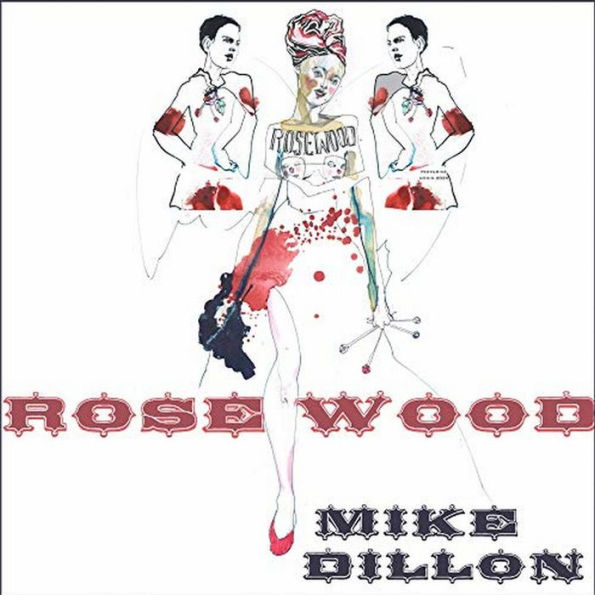
Rosewood in Franklin, TN
Current price: $13.99
Barnes and Noble
Rosewood in Franklin, TN
Current price: $13.99
Loading Inventory...
Size: CD
Named after the deeply red-toned wood that marimba bars are made out of,
Mike Dillon
's 2020 album
Rosewood
finds the vibraphonist further honing his genre-bending brand of percussion-based music. The album follows up his kinetic punk-, jazz-, and experimental rock-influenced 2018 album
Bonobo Bonobo
, which featured his large
Mallet Men
ensemble. With
,
Dillon
decided to work primarily as a soloist, only collaborating sparingly with fellow percussionist
Earl Harvin
and audio engineer
Chad Meise
. Consequently, while improvisation is still at the core of his sound, he took a more compositional approach, showcasing his deft arranging skills on a mix of original compositions and surprising covers. At the center of the album is his adept reworking of
Nine Inch Nails
' "Hurt," also made famous by
Johnny Cash
. Here,
takes his main inspiration from
Cash
's version, perfectly translating the song's slow-burn intensity and dusky, rising tension onto his woody marimba. Elsewhere, he evokes the mysterious, cinematic quality of a spy thriller on "Vibes at the End of the World" and draws upon his love of vintage '50s and '60s exotica a la
Martin Denny
and
Esquivel
on tracks like "Tiki Bird Whistle," "Rhumba for Peregrine," and "Earl's Bolero." It's not just classic mood music and jazz that attract
; he manages to push his percussion arrangements into a variety of surprising stylistic directions as well. On "St. Claude's Drone," he frames
Harvin
's Krautrock groove with a buzzy kaleidoscope of shimmering shoegaze tones and buzzy, jet-engine white noise. Similarly, on the
Kraftwerk
-esque "Bonobo," he weaves in an '80s analog-sounding synth via a midi-percussion device known as the MalletKat. There are also two engaging
Elliott Smith
covers with the sweetly attenuated "Talking to Mary" and the dreamy, album-ending "Can't Make a Sound," both of which evoke the poignant intimacy of the late singer/songwriter. Listening to the lush sounds at play on
, it's easy to forget that every instrument you are hearing is a percussion instrument.
has crafted a hypnotic album that pulls you deep inside a percussive, sylvan-toned dreamscape. ~ Matt Collar
Mike Dillon
's 2020 album
Rosewood
finds the vibraphonist further honing his genre-bending brand of percussion-based music. The album follows up his kinetic punk-, jazz-, and experimental rock-influenced 2018 album
Bonobo Bonobo
, which featured his large
Mallet Men
ensemble. With
,
Dillon
decided to work primarily as a soloist, only collaborating sparingly with fellow percussionist
Earl Harvin
and audio engineer
Chad Meise
. Consequently, while improvisation is still at the core of his sound, he took a more compositional approach, showcasing his deft arranging skills on a mix of original compositions and surprising covers. At the center of the album is his adept reworking of
Nine Inch Nails
' "Hurt," also made famous by
Johnny Cash
. Here,
takes his main inspiration from
Cash
's version, perfectly translating the song's slow-burn intensity and dusky, rising tension onto his woody marimba. Elsewhere, he evokes the mysterious, cinematic quality of a spy thriller on "Vibes at the End of the World" and draws upon his love of vintage '50s and '60s exotica a la
Martin Denny
and
Esquivel
on tracks like "Tiki Bird Whistle," "Rhumba for Peregrine," and "Earl's Bolero." It's not just classic mood music and jazz that attract
; he manages to push his percussion arrangements into a variety of surprising stylistic directions as well. On "St. Claude's Drone," he frames
Harvin
's Krautrock groove with a buzzy kaleidoscope of shimmering shoegaze tones and buzzy, jet-engine white noise. Similarly, on the
Kraftwerk
-esque "Bonobo," he weaves in an '80s analog-sounding synth via a midi-percussion device known as the MalletKat. There are also two engaging
Elliott Smith
covers with the sweetly attenuated "Talking to Mary" and the dreamy, album-ending "Can't Make a Sound," both of which evoke the poignant intimacy of the late singer/songwriter. Listening to the lush sounds at play on
, it's easy to forget that every instrument you are hearing is a percussion instrument.
has crafted a hypnotic album that pulls you deep inside a percussive, sylvan-toned dreamscape. ~ Matt Collar
Named after the deeply red-toned wood that marimba bars are made out of,
Mike Dillon
's 2020 album
Rosewood
finds the vibraphonist further honing his genre-bending brand of percussion-based music. The album follows up his kinetic punk-, jazz-, and experimental rock-influenced 2018 album
Bonobo Bonobo
, which featured his large
Mallet Men
ensemble. With
,
Dillon
decided to work primarily as a soloist, only collaborating sparingly with fellow percussionist
Earl Harvin
and audio engineer
Chad Meise
. Consequently, while improvisation is still at the core of his sound, he took a more compositional approach, showcasing his deft arranging skills on a mix of original compositions and surprising covers. At the center of the album is his adept reworking of
Nine Inch Nails
' "Hurt," also made famous by
Johnny Cash
. Here,
takes his main inspiration from
Cash
's version, perfectly translating the song's slow-burn intensity and dusky, rising tension onto his woody marimba. Elsewhere, he evokes the mysterious, cinematic quality of a spy thriller on "Vibes at the End of the World" and draws upon his love of vintage '50s and '60s exotica a la
Martin Denny
and
Esquivel
on tracks like "Tiki Bird Whistle," "Rhumba for Peregrine," and "Earl's Bolero." It's not just classic mood music and jazz that attract
; he manages to push his percussion arrangements into a variety of surprising stylistic directions as well. On "St. Claude's Drone," he frames
Harvin
's Krautrock groove with a buzzy kaleidoscope of shimmering shoegaze tones and buzzy, jet-engine white noise. Similarly, on the
Kraftwerk
-esque "Bonobo," he weaves in an '80s analog-sounding synth via a midi-percussion device known as the MalletKat. There are also two engaging
Elliott Smith
covers with the sweetly attenuated "Talking to Mary" and the dreamy, album-ending "Can't Make a Sound," both of which evoke the poignant intimacy of the late singer/songwriter. Listening to the lush sounds at play on
, it's easy to forget that every instrument you are hearing is a percussion instrument.
has crafted a hypnotic album that pulls you deep inside a percussive, sylvan-toned dreamscape. ~ Matt Collar
Mike Dillon
's 2020 album
Rosewood
finds the vibraphonist further honing his genre-bending brand of percussion-based music. The album follows up his kinetic punk-, jazz-, and experimental rock-influenced 2018 album
Bonobo Bonobo
, which featured his large
Mallet Men
ensemble. With
,
Dillon
decided to work primarily as a soloist, only collaborating sparingly with fellow percussionist
Earl Harvin
and audio engineer
Chad Meise
. Consequently, while improvisation is still at the core of his sound, he took a more compositional approach, showcasing his deft arranging skills on a mix of original compositions and surprising covers. At the center of the album is his adept reworking of
Nine Inch Nails
' "Hurt," also made famous by
Johnny Cash
. Here,
takes his main inspiration from
Cash
's version, perfectly translating the song's slow-burn intensity and dusky, rising tension onto his woody marimba. Elsewhere, he evokes the mysterious, cinematic quality of a spy thriller on "Vibes at the End of the World" and draws upon his love of vintage '50s and '60s exotica a la
Martin Denny
and
Esquivel
on tracks like "Tiki Bird Whistle," "Rhumba for Peregrine," and "Earl's Bolero." It's not just classic mood music and jazz that attract
; he manages to push his percussion arrangements into a variety of surprising stylistic directions as well. On "St. Claude's Drone," he frames
Harvin
's Krautrock groove with a buzzy kaleidoscope of shimmering shoegaze tones and buzzy, jet-engine white noise. Similarly, on the
Kraftwerk
-esque "Bonobo," he weaves in an '80s analog-sounding synth via a midi-percussion device known as the MalletKat. There are also two engaging
Elliott Smith
covers with the sweetly attenuated "Talking to Mary" and the dreamy, album-ending "Can't Make a Sound," both of which evoke the poignant intimacy of the late singer/songwriter. Listening to the lush sounds at play on
, it's easy to forget that every instrument you are hearing is a percussion instrument.
has crafted a hypnotic album that pulls you deep inside a percussive, sylvan-toned dreamscape. ~ Matt Collar
You May Also Like













More About Barnes and Noble at CoolSprings Galleria
Barnes & Noble is the world’s largest retail bookseller and a leading retailer of content, digital media and educational products. Our Nook Digital business offers a lineup of NOOK® tablets and e-Readers and an expansive collection of digital reading content through the NOOK Store®. Barnes & Noble’s mission is to operate the best omni-channel specialty retail business in America, helping both our customers and booksellers reach their aspirations, while being a credit to the communities we serve.
1800 Galleria Blvd #1310, Franklin, TN 37067, United States
Find Barnes and Noble at CoolSprings Galleria in Franklin, TN
Visit Barnes and Noble at CoolSprings Galleria in Franklin, TN