
Home
Ruth Gipps: Anti-Modernism, Nationalism and Difference in English Music
Barnes and Noble
Loading Inventory...
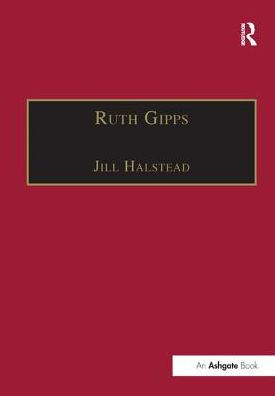
Ruth Gipps: Anti-Modernism, Nationalism and Difference in English Music in Franklin, TN
Current price: $69.99
Barnes and Noble
Ruth Gipps: Anti-Modernism, Nationalism and Difference in English Music in Franklin, TN
Current price: $69.99
Loading Inventory...
Size: OS
When Ruth Gipps died in 1999, her legacy was as one of Britain's most prolific female composers. Her creative output spanned some seventy years and includes symphonies, tone poems, concertos, string quartets and various large-scale choral and chamber works. Not content with her creative activities, her boundless energy fuelled her other roles as conductor, concert pianist, orchestral musician and pedagogue. Her many talents were acknowledged but not always respected and she was a figure often dogged by controversy. She gained a reputation for being uncompromising both personally and musically, a reputation that was ultimately to leave her isolated. In the first major review of her life and work the importance of Ruth Gipps is established in two ways: first, as a pioneering woman composer and conductor whose work challenged prevailing attitudes in the era directly after the war and second, as a composer whose musical philosophy was often at odds with mainstream thinking. Although she was branded a reactionary, her position reveals a number of important counter currents in English musical life in the twentieth century. The first section of the book documents her formative years, her life as child prodigy, the disruption and opportunities offered by war, the dramatic end of her career as a concert pianist and her subsequent entry into the world of conducting. The influence of key figures such as Vaughan Williams, Arthur Bliss, Malcolm Arnold and George Weldon is explored, as is Gipps's habitually thorny relationship with a range of musical institutions including the BBC and the City of Birmingham Symphony Orchestra. In the second part of the book her compositional output is reviewed. Works are explored via the guiding themes of her creative agenda; namely anti-modernism and Englishness. The book closes with an analysis of a group of works which all have gendered narratives or readings. As Gipps regularly used personal experience as the basis for such musical narratives, these works provide an intimate insight into this fascinating and complex woman.
When Ruth Gipps died in 1999, her legacy was as one of Britain's most prolific female composers. Her creative output spanned some seventy years and includes symphonies, tone poems, concertos, string quartets and various large-scale choral and chamber works. Not content with her creative activities, her boundless energy fuelled her other roles as conductor, concert pianist, orchestral musician and pedagogue. Her many talents were acknowledged but not always respected and she was a figure often dogged by controversy. She gained a reputation for being uncompromising both personally and musically, a reputation that was ultimately to leave her isolated. In the first major review of her life and work the importance of Ruth Gipps is established in two ways: first, as a pioneering woman composer and conductor whose work challenged prevailing attitudes in the era directly after the war and second, as a composer whose musical philosophy was often at odds with mainstream thinking. Although she was branded a reactionary, her position reveals a number of important counter currents in English musical life in the twentieth century. The first section of the book documents her formative years, her life as child prodigy, the disruption and opportunities offered by war, the dramatic end of her career as a concert pianist and her subsequent entry into the world of conducting. The influence of key figures such as Vaughan Williams, Arthur Bliss, Malcolm Arnold and George Weldon is explored, as is Gipps's habitually thorny relationship with a range of musical institutions including the BBC and the City of Birmingham Symphony Orchestra. In the second part of the book her compositional output is reviewed. Works are explored via the guiding themes of her creative agenda; namely anti-modernism and Englishness. The book closes with an analysis of a group of works which all have gendered narratives or readings. As Gipps regularly used personal experience as the basis for such musical narratives, these works provide an intimate insight into this fascinating and complex woman.
You May Also Like












More About Barnes and Noble at CoolSprings Galleria
Barnes & Noble is the world’s largest retail bookseller and a leading retailer of content, digital media and educational products. Our Nook Digital business offers a lineup of NOOK® tablets and e-Readers and an expansive collection of digital reading content through the NOOK Store®. Barnes & Noble’s mission is to operate the best omni-channel specialty retail business in America, helping both our customers and booksellers reach their aspirations, while being a credit to the communities we serve.
1800 Galleria Blvd #1310, Franklin, TN 37067, United States
Find Barnes and Noble at CoolSprings Galleria in Franklin, TN
Visit Barnes and Noble at CoolSprings Galleria in Franklin, TN
