
Home
Schubert + Beethoven
Barnes and Noble
Loading Inventory...
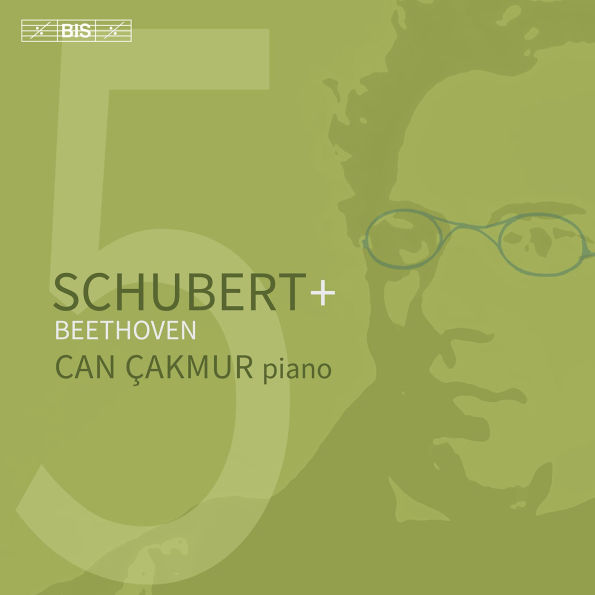
Schubert + Beethoven in Franklin, TN
Current price: $23.99
Barnes and Noble
Schubert + Beethoven in Franklin, TN
Current price: $23.99
Loading Inventory...
Size: OS
This 2025 release is the fifth in a series by pianist
Can Çakmur
that, one reads here, "juxtaposes
Schubert
's complete major piano works (fragments excluded) with works by other composers that were inspired by
's music." The concept doesn't fit here; the inspiration went the other way around, and it is hard to see a role that
Beethoven
's
32 Variations in C minor, WoO 80
, played in
's development. Other volumes in the series are more illustrative of
's influence. When it comes to the individual performances, however, there are no complaints.
Çakmur
achieves a low-key but detailed style on his
Shigeru Kawai
concert grand that is beautifully captured by the
BIS
engineering team, working at the Tonstudio Tessmar in Hannover, Germany. The music comes out with chamber dimensions that were certainly closer to the small circles that originally heard
's music than to big-city concert hall environments. His
Piano Sonata in A major, D. 664
, has a lovely, flowing quality in its first movement and deep lyricism in its Andante slow movement. The
variations, whatever he may have thought of them (his dislike of the work is understated in
's notes), have lots of detail and a physical sense of how the piano was developing. When the full-scale influence of
does hit in the late
Piano Sonata in C minor, D. 958
,
has strong control over the motivic development, with a quick tempo in the opening movement that never devolves into skating over the surface, and a playful Minuet. It is not a monumental
C minor sonata
, but it has great scope. This album may not fit
's overall concept, but as a freestanding recital (which he states as another of his goals), it is impressive. ~ James Manheim
Can Çakmur
that, one reads here, "juxtaposes
Schubert
's complete major piano works (fragments excluded) with works by other composers that were inspired by
's music." The concept doesn't fit here; the inspiration went the other way around, and it is hard to see a role that
Beethoven
's
32 Variations in C minor, WoO 80
, played in
's development. Other volumes in the series are more illustrative of
's influence. When it comes to the individual performances, however, there are no complaints.
Çakmur
achieves a low-key but detailed style on his
Shigeru Kawai
concert grand that is beautifully captured by the
BIS
engineering team, working at the Tonstudio Tessmar in Hannover, Germany. The music comes out with chamber dimensions that were certainly closer to the small circles that originally heard
's music than to big-city concert hall environments. His
Piano Sonata in A major, D. 664
, has a lovely, flowing quality in its first movement and deep lyricism in its Andante slow movement. The
variations, whatever he may have thought of them (his dislike of the work is understated in
's notes), have lots of detail and a physical sense of how the piano was developing. When the full-scale influence of
does hit in the late
Piano Sonata in C minor, D. 958
,
has strong control over the motivic development, with a quick tempo in the opening movement that never devolves into skating over the surface, and a playful Minuet. It is not a monumental
C minor sonata
, but it has great scope. This album may not fit
's overall concept, but as a freestanding recital (which he states as another of his goals), it is impressive. ~ James Manheim
This 2025 release is the fifth in a series by pianist
Can Çakmur
that, one reads here, "juxtaposes
Schubert
's complete major piano works (fragments excluded) with works by other composers that were inspired by
's music." The concept doesn't fit here; the inspiration went the other way around, and it is hard to see a role that
Beethoven
's
32 Variations in C minor, WoO 80
, played in
's development. Other volumes in the series are more illustrative of
's influence. When it comes to the individual performances, however, there are no complaints.
Çakmur
achieves a low-key but detailed style on his
Shigeru Kawai
concert grand that is beautifully captured by the
BIS
engineering team, working at the Tonstudio Tessmar in Hannover, Germany. The music comes out with chamber dimensions that were certainly closer to the small circles that originally heard
's music than to big-city concert hall environments. His
Piano Sonata in A major, D. 664
, has a lovely, flowing quality in its first movement and deep lyricism in its Andante slow movement. The
variations, whatever he may have thought of them (his dislike of the work is understated in
's notes), have lots of detail and a physical sense of how the piano was developing. When the full-scale influence of
does hit in the late
Piano Sonata in C minor, D. 958
,
has strong control over the motivic development, with a quick tempo in the opening movement that never devolves into skating over the surface, and a playful Minuet. It is not a monumental
C minor sonata
, but it has great scope. This album may not fit
's overall concept, but as a freestanding recital (which he states as another of his goals), it is impressive. ~ James Manheim
Can Çakmur
that, one reads here, "juxtaposes
Schubert
's complete major piano works (fragments excluded) with works by other composers that were inspired by
's music." The concept doesn't fit here; the inspiration went the other way around, and it is hard to see a role that
Beethoven
's
32 Variations in C minor, WoO 80
, played in
's development. Other volumes in the series are more illustrative of
's influence. When it comes to the individual performances, however, there are no complaints.
Çakmur
achieves a low-key but detailed style on his
Shigeru Kawai
concert grand that is beautifully captured by the
BIS
engineering team, working at the Tonstudio Tessmar in Hannover, Germany. The music comes out with chamber dimensions that were certainly closer to the small circles that originally heard
's music than to big-city concert hall environments. His
Piano Sonata in A major, D. 664
, has a lovely, flowing quality in its first movement and deep lyricism in its Andante slow movement. The
variations, whatever he may have thought of them (his dislike of the work is understated in
's notes), have lots of detail and a physical sense of how the piano was developing. When the full-scale influence of
does hit in the late
Piano Sonata in C minor, D. 958
,
has strong control over the motivic development, with a quick tempo in the opening movement that never devolves into skating over the surface, and a playful Minuet. It is not a monumental
C minor sonata
, but it has great scope. This album may not fit
's overall concept, but as a freestanding recital (which he states as another of his goals), it is impressive. ~ James Manheim
You May Also Like












More About Barnes and Noble at CoolSprings Galleria
Barnes & Noble is the world’s largest retail bookseller and a leading retailer of content, digital media and educational products. Our Nook Digital business offers a lineup of NOOK® tablets and e-Readers and an expansive collection of digital reading content through the NOOK Store®. Barnes & Noble’s mission is to operate the best omni-channel specialty retail business in America, helping both our customers and booksellers reach their aspirations, while being a credit to the communities we serve.
1800 Galleria Blvd #1310, Franklin, TN 37067, United States
Find Barnes and Noble at CoolSprings Galleria in Franklin, TN
Visit Barnes and Noble at CoolSprings Galleria in Franklin, TN
