
Home
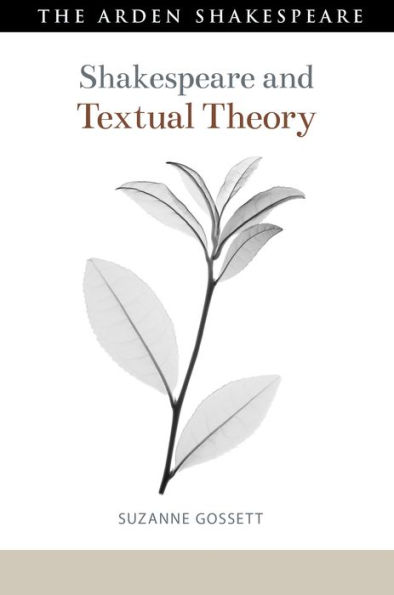
Shakespeare and Textual Theory
Barnes and Noble
Loading Inventory...
Shakespeare and Textual Theory in Franklin, TN
Current price: $30.95
Barnes and Noble
Shakespeare and Textual Theory in Franklin, TN
Current price: $30.95
Loading Inventory...
Size: Paperback
There is no Shakespeare without text. Yet readers often do not realize that the words in the book they hold, like the dialogue they hear from the stage, has been revised, augmented and emended since Shakespeare's lifetime. An essential resource for the history of Shakespeare on the page,
Shakespeare and Textual Theory
traces the explanatory underpinnings of these changes through the centuries.
After providing an introduction to early modern printing practices, Suzanne Gossett describes the original quartos and folios as well as the first collected editions. Subsequent sections summarize the work of the 'New Bibliographers' and the radical challenge to their technical analysis posed by poststructuralist theory, which undermined the presumed stability of author and text.
presents a balanced view of the current theoretical debates, which include the nature of the surviving texts we call Shakespeare's; the relationship of the author 'Shakespeare' and of authorial intentions to any of these texts; the extent and nature of Shakespeare's collaboration with others; and the best or most desirable way to present the texts - in editions or performances. The book is illustrated throughout with examples showing how theoretical decisions affect the text of Shakespeare's plays, and case studies of
Hamlet
and
Pericles
demonstrate how different theories complicate both text and meaning, whether a play survives in one version or several. The conclusion summarizes the many ways in which beliefs about Shakespeare's texts have changed over the centuries.
Shakespeare and Textual Theory
traces the explanatory underpinnings of these changes through the centuries.
After providing an introduction to early modern printing practices, Suzanne Gossett describes the original quartos and folios as well as the first collected editions. Subsequent sections summarize the work of the 'New Bibliographers' and the radical challenge to their technical analysis posed by poststructuralist theory, which undermined the presumed stability of author and text.
presents a balanced view of the current theoretical debates, which include the nature of the surviving texts we call Shakespeare's; the relationship of the author 'Shakespeare' and of authorial intentions to any of these texts; the extent and nature of Shakespeare's collaboration with others; and the best or most desirable way to present the texts - in editions or performances. The book is illustrated throughout with examples showing how theoretical decisions affect the text of Shakespeare's plays, and case studies of
Hamlet
and
Pericles
demonstrate how different theories complicate both text and meaning, whether a play survives in one version or several. The conclusion summarizes the many ways in which beliefs about Shakespeare's texts have changed over the centuries.
There is no Shakespeare without text. Yet readers often do not realize that the words in the book they hold, like the dialogue they hear from the stage, has been revised, augmented and emended since Shakespeare's lifetime. An essential resource for the history of Shakespeare on the page,
Shakespeare and Textual Theory
traces the explanatory underpinnings of these changes through the centuries.
After providing an introduction to early modern printing practices, Suzanne Gossett describes the original quartos and folios as well as the first collected editions. Subsequent sections summarize the work of the 'New Bibliographers' and the radical challenge to their technical analysis posed by poststructuralist theory, which undermined the presumed stability of author and text.
presents a balanced view of the current theoretical debates, which include the nature of the surviving texts we call Shakespeare's; the relationship of the author 'Shakespeare' and of authorial intentions to any of these texts; the extent and nature of Shakespeare's collaboration with others; and the best or most desirable way to present the texts - in editions or performances. The book is illustrated throughout with examples showing how theoretical decisions affect the text of Shakespeare's plays, and case studies of
Hamlet
and
Pericles
demonstrate how different theories complicate both text and meaning, whether a play survives in one version or several. The conclusion summarizes the many ways in which beliefs about Shakespeare's texts have changed over the centuries.
Shakespeare and Textual Theory
traces the explanatory underpinnings of these changes through the centuries.
After providing an introduction to early modern printing practices, Suzanne Gossett describes the original quartos and folios as well as the first collected editions. Subsequent sections summarize the work of the 'New Bibliographers' and the radical challenge to their technical analysis posed by poststructuralist theory, which undermined the presumed stability of author and text.
presents a balanced view of the current theoretical debates, which include the nature of the surviving texts we call Shakespeare's; the relationship of the author 'Shakespeare' and of authorial intentions to any of these texts; the extent and nature of Shakespeare's collaboration with others; and the best or most desirable way to present the texts - in editions or performances. The book is illustrated throughout with examples showing how theoretical decisions affect the text of Shakespeare's plays, and case studies of
Hamlet
and
Pericles
demonstrate how different theories complicate both text and meaning, whether a play survives in one version or several. The conclusion summarizes the many ways in which beliefs about Shakespeare's texts have changed over the centuries.
You May Also Like








More About Barnes and Noble at CoolSprings Galleria
Barnes & Noble is the world’s largest retail bookseller and a leading retailer of content, digital media and educational products. Our Nook Digital business offers a lineup of NOOK® tablets and e-Readers and an expansive collection of digital reading content through the NOOK Store®. Barnes & Noble’s mission is to operate the best omni-channel specialty retail business in America, helping both our customers and booksellers reach their aspirations, while being a credit to the communities we serve.
1800 Galleria Blvd #1310, Franklin, TN 37067, United States
Find Barnes and Noble at CoolSprings Galleria in Franklin, TN
Visit Barnes and Noble at CoolSprings Galleria in Franklin, TN
