
Home
Sinister Aesthetics: The Appeal of Evil Early Modern English Literature
Barnes and Noble
Loading Inventory...
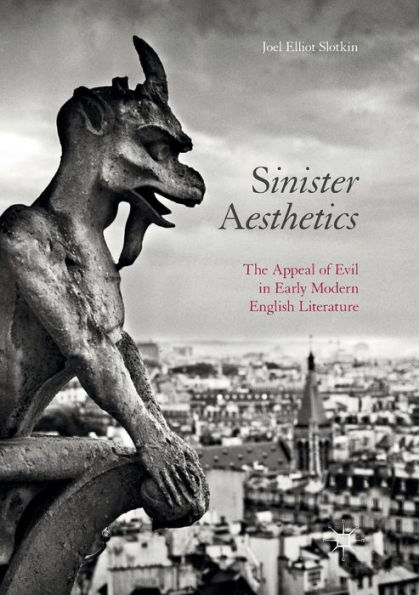
Sinister Aesthetics: The Appeal of Evil Early Modern English Literature in Franklin, TN
Current price: $109.99
Barnes and Noble
Sinister Aesthetics: The Appeal of Evil Early Modern English Literature in Franklin, TN
Current price: $109.99
Loading Inventory...
Size: Hardcover
This engrossing volume studies the poetics of evil in early modern English culture, reconciling the Renaissance belief that literature should uphold morality with the compelling and attractive representations of evil throughout the period’s literature. The chapters explore a variety of texts, including Spenser’s
Faerie Queene
, Shakespeare’s
Richard III
, broadside ballads, and sermons, culminating in a new reading of
Paradise Lost
and a novel understanding of the dynamic interaction between aesthetics and theology in shaping seventeenth century Protestant piety. Through these discussions, the book introduces the concept of “sinister aesthetics”: artistic conventions that can make representations of the villainous, monstrous, or hellish pleasurable.
Faerie Queene
, Shakespeare’s
Richard III
, broadside ballads, and sermons, culminating in a new reading of
Paradise Lost
and a novel understanding of the dynamic interaction between aesthetics and theology in shaping seventeenth century Protestant piety. Through these discussions, the book introduces the concept of “sinister aesthetics”: artistic conventions that can make representations of the villainous, monstrous, or hellish pleasurable.
This engrossing volume studies the poetics of evil in early modern English culture, reconciling the Renaissance belief that literature should uphold morality with the compelling and attractive representations of evil throughout the period’s literature. The chapters explore a variety of texts, including Spenser’s
Faerie Queene
, Shakespeare’s
Richard III
, broadside ballads, and sermons, culminating in a new reading of
Paradise Lost
and a novel understanding of the dynamic interaction between aesthetics and theology in shaping seventeenth century Protestant piety. Through these discussions, the book introduces the concept of “sinister aesthetics”: artistic conventions that can make representations of the villainous, monstrous, or hellish pleasurable.
Faerie Queene
, Shakespeare’s
Richard III
, broadside ballads, and sermons, culminating in a new reading of
Paradise Lost
and a novel understanding of the dynamic interaction between aesthetics and theology in shaping seventeenth century Protestant piety. Through these discussions, the book introduces the concept of “sinister aesthetics”: artistic conventions that can make representations of the villainous, monstrous, or hellish pleasurable.
You May Also Like










More About Barnes and Noble at CoolSprings Galleria
Barnes & Noble is the world’s largest retail bookseller and a leading retailer of content, digital media and educational products. Our Nook Digital business offers a lineup of NOOK® tablets and e-Readers and an expansive collection of digital reading content through the NOOK Store®. Barnes & Noble’s mission is to operate the best omni-channel specialty retail business in America, helping both our customers and booksellers reach their aspirations, while being a credit to the communities we serve.
1800 Galleria Blvd #1310, Franklin, TN 37067, United States
Find Barnes and Noble at CoolSprings Galleria in Franklin, TN
Visit Barnes and Noble at CoolSprings Galleria in Franklin, TN
