
Home
Slavery the International Women's Movement, 1832-1914: Memory Work and Legacy of Abolitionism
Barnes and Noble
Loading Inventory...
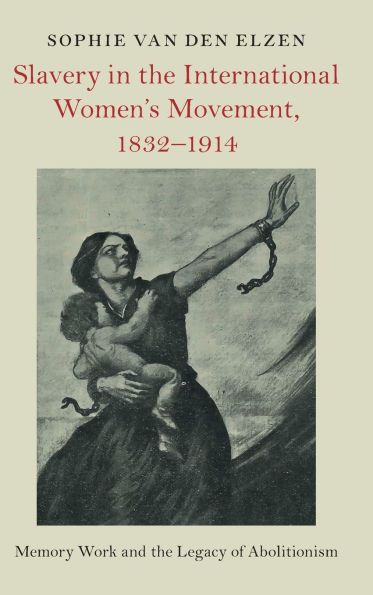
Slavery the International Women's Movement, 1832-1914: Memory Work and Legacy of Abolitionism in Franklin, TN
Current price: $120.00
Barnes and Noble
Slavery the International Women's Movement, 1832-1914: Memory Work and Legacy of Abolitionism in Franklin, TN
Current price: $120.00
Loading Inventory...
Size: Hardcover
In this book, Sophie van den Elzen shows how advocates for women's rights, in the absence of their 'own' history, used the antislavery movement as a historical reference point and model. Through a detailed analysis of a wide range of sources produced over the span of almost a century, including novels, journals, speeches, pamphlets, and posters, van den Elzen reveals how the women's movement gradually diverged from a position of solidarity with the enslaved into one of opposition, based on hierarchical assumptions about class and race. This inclusive cultural survey provides a new understanding of the ways in which the cultural memory of Anglo-American antislavery was imported and adapted across Europe and the Atlantic world, and it breaks new ground in studying the “woman-slave analogy” from a longitudinal and transnational comparative perspective. This title is also available as open access on Cambridge Core.
In this book, Sophie van den Elzen shows how advocates for women's rights, in the absence of their 'own' history, used the antislavery movement as a historical reference point and model. Through a detailed analysis of a wide range of sources produced over the span of almost a century, including novels, journals, speeches, pamphlets, and posters, van den Elzen reveals how the women's movement gradually diverged from a position of solidarity with the enslaved into one of opposition, based on hierarchical assumptions about class and race. This inclusive cultural survey provides a new understanding of the ways in which the cultural memory of Anglo-American antislavery was imported and adapted across Europe and the Atlantic world, and it breaks new ground in studying the “woman-slave analogy” from a longitudinal and transnational comparative perspective. This title is also available as open access on Cambridge Core.
You May Also Like














More About Barnes and Noble at CoolSprings Galleria
Barnes & Noble is the world’s largest retail bookseller and a leading retailer of content, digital media and educational products. Our Nook Digital business offers a lineup of NOOK® tablets and e-Readers and an expansive collection of digital reading content through the NOOK Store®. Barnes & Noble’s mission is to operate the best omni-channel specialty retail business in America, helping both our customers and booksellers reach their aspirations, while being a credit to the communities we serve.
1800 Galleria Blvd #1310, Franklin, TN 37067, United States
Find Barnes and Noble at CoolSprings Galleria in Franklin, TN
Visit Barnes and Noble at CoolSprings Galleria in Franklin, TN
