
Home
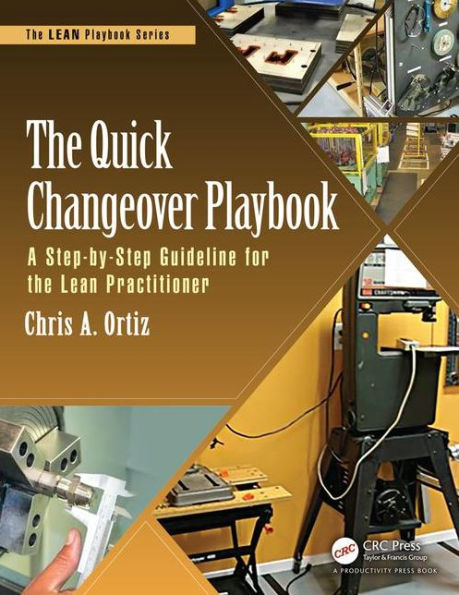
SMED - How to Do a Quick Changeover?
Barnes and Noble
Loading Inventory...

SMED - How to Do a Quick Changeover? in Franklin, TN
Current price: $13.50
Barnes and Noble
SMED - How to Do a Quick Changeover? in Franklin, TN
Current price: $13.50
Loading Inventory...
Size: OS
Changeover
-the process of switching a line or machine from producing one product to another-may seem routine, but it has a huge impact on efficiency, cost, and competitiveness. Every minute spent preparing machines, adjusting tools, or setting up for the next product is
lost production time
. During this period, equipment sits idle while labor costs continue, creating one of the most overlooked forms of waste in manufacturing.
In industries such as automotive, electronics, and consumer goods, where frequent product variation is the norm,
changeover speed determines flexibility and profitability
. A long, inefficient changeover means higher costs, reduced output, and delayed delivery. A fast, well-structured changeover, on the other hand, unlocks the ability to produce smaller batches, respond quickly to market demands, and reduce inventory.
This book demystifies the changeover process and shows you how to:
Understand the true cost of downtime and setup inefficiencies
Apply
SMED (Single-Minute Exchange of Dies)
techniques to drastically cut changeover times
Identify which steps add value and which can be simplified, standardized, or eliminated
Build a culture of continuous improvement where operators actively drive setup reduction
Learn from real-world case studies in manufacturing environments
Whether you're an
operations manager, engineer, or lean practitioner
, this practical guide will help you
turn changeover from a costly burden into a strategic advantage
.
-the process of switching a line or machine from producing one product to another-may seem routine, but it has a huge impact on efficiency, cost, and competitiveness. Every minute spent preparing machines, adjusting tools, or setting up for the next product is
lost production time
. During this period, equipment sits idle while labor costs continue, creating one of the most overlooked forms of waste in manufacturing.
In industries such as automotive, electronics, and consumer goods, where frequent product variation is the norm,
changeover speed determines flexibility and profitability
. A long, inefficient changeover means higher costs, reduced output, and delayed delivery. A fast, well-structured changeover, on the other hand, unlocks the ability to produce smaller batches, respond quickly to market demands, and reduce inventory.
This book demystifies the changeover process and shows you how to:
Understand the true cost of downtime and setup inefficiencies
Apply
SMED (Single-Minute Exchange of Dies)
techniques to drastically cut changeover times
Identify which steps add value and which can be simplified, standardized, or eliminated
Build a culture of continuous improvement where operators actively drive setup reduction
Learn from real-world case studies in manufacturing environments
Whether you're an
operations manager, engineer, or lean practitioner
, this practical guide will help you
turn changeover from a costly burden into a strategic advantage
.
Changeover
-the process of switching a line or machine from producing one product to another-may seem routine, but it has a huge impact on efficiency, cost, and competitiveness. Every minute spent preparing machines, adjusting tools, or setting up for the next product is
lost production time
. During this period, equipment sits idle while labor costs continue, creating one of the most overlooked forms of waste in manufacturing.
In industries such as automotive, electronics, and consumer goods, where frequent product variation is the norm,
changeover speed determines flexibility and profitability
. A long, inefficient changeover means higher costs, reduced output, and delayed delivery. A fast, well-structured changeover, on the other hand, unlocks the ability to produce smaller batches, respond quickly to market demands, and reduce inventory.
This book demystifies the changeover process and shows you how to:
Understand the true cost of downtime and setup inefficiencies
Apply
SMED (Single-Minute Exchange of Dies)
techniques to drastically cut changeover times
Identify which steps add value and which can be simplified, standardized, or eliminated
Build a culture of continuous improvement where operators actively drive setup reduction
Learn from real-world case studies in manufacturing environments
Whether you're an
operations manager, engineer, or lean practitioner
, this practical guide will help you
turn changeover from a costly burden into a strategic advantage
.
-the process of switching a line or machine from producing one product to another-may seem routine, but it has a huge impact on efficiency, cost, and competitiveness. Every minute spent preparing machines, adjusting tools, or setting up for the next product is
lost production time
. During this period, equipment sits idle while labor costs continue, creating one of the most overlooked forms of waste in manufacturing.
In industries such as automotive, electronics, and consumer goods, where frequent product variation is the norm,
changeover speed determines flexibility and profitability
. A long, inefficient changeover means higher costs, reduced output, and delayed delivery. A fast, well-structured changeover, on the other hand, unlocks the ability to produce smaller batches, respond quickly to market demands, and reduce inventory.
This book demystifies the changeover process and shows you how to:
Understand the true cost of downtime and setup inefficiencies
Apply
SMED (Single-Minute Exchange of Dies)
techniques to drastically cut changeover times
Identify which steps add value and which can be simplified, standardized, or eliminated
Build a culture of continuous improvement where operators actively drive setup reduction
Learn from real-world case studies in manufacturing environments
Whether you're an
operations manager, engineer, or lean practitioner
, this practical guide will help you
turn changeover from a costly burden into a strategic advantage
.
You May Also Like

















More About Barnes and Noble at CoolSprings Galleria
Barnes & Noble is the world’s largest retail bookseller and a leading retailer of content, digital media and educational products. Our Nook Digital business offers a lineup of NOOK® tablets and e-Readers and an expansive collection of digital reading content through the NOOK Store®. Barnes & Noble’s mission is to operate the best omni-channel specialty retail business in America, helping both our customers and booksellers reach their aspirations, while being a credit to the communities we serve.
1800 Galleria Blvd #1310, Franklin, TN 37067, United States
Find Barnes and Noble at CoolSprings Galleria in Franklin, TN
Visit Barnes and Noble at CoolSprings Galleria in Franklin, TN
