
Home
So Very Small: How Humans Discovered the Microcosmos, Defeated Germs--and May Still Lose War Against Infectious Disease
Barnes and Noble
Loading Inventory...
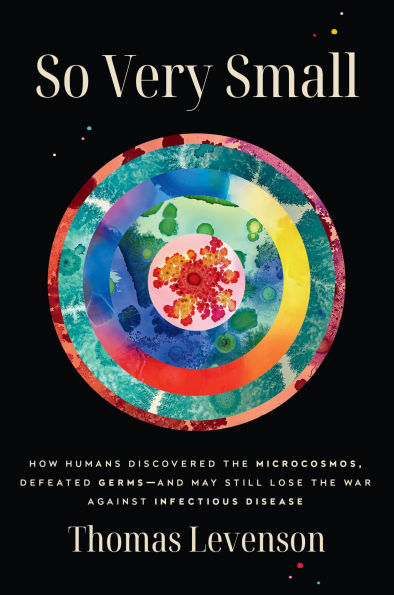
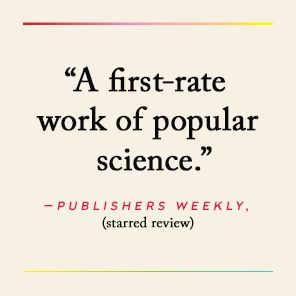
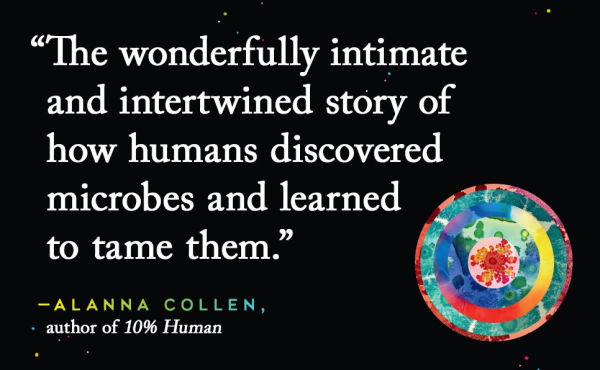
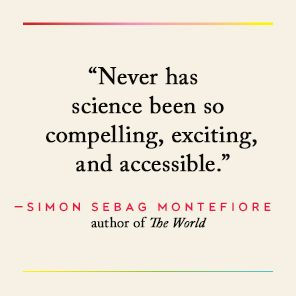

So Very Small: How Humans Discovered the Microcosmos, Defeated Germs--and May Still Lose War Against Infectious Disease in Franklin, TN
Current price: $22.00
Barnes and Noble
So Very Small: How Humans Discovered the Microcosmos, Defeated Germs--and May Still Lose War Against Infectious Disease in Franklin, TN
Current price: $22.00
Loading Inventory...
Size: Audiobook
“An elegant, wide-ranging history” (
The New York Review of Books
) of the centuries-long quest to discover the critical role of germs in disease thatreveals as much about human reasoning—and the pitfalls of ego—as it does about microbes.
“Levenson takes readers through an entertaining . . . journey of missed opportunities in microbiology and the eventual advances that arose in this field.”—
Science
Scientists and enthusiastic amateurs first confirmed the existence of living things invisible to the human eye in the late seventeenth century. So why did it take two centuries to connect microbes to disease? As late as the Civil War in the 1860s, most soldiers who perished died not on the battlefield but of infected wounds, typhoid, and other diseases. Twenty years later, the outcome might have been different, following one of the most radical intellectual transformations in history: germ theory, the recognition that the tiniest forms of life have been humankind’s greatest killers. It was a discovery centuries in the making, and it transformed modern life and public health.
As Thomas Levenson reveals in this globe-spanning history, it has everything to do with how we see ourselves. For centuries, people in the West, believing themselves to hold God-given dominion over nature, thought too much of humanity and too little of microbes to believe they could take us down. When nineteenth-century scientists finally made the connection, life-saving methods to control infections and contain outbreaks soon followed. The next big break came with the birth of the antibiotic era in the 1930s. And yet, less than a century later, the promise of the antibiotic revolution is already receding due to years of overuse. Is our self-confidence getting the better of us again?
So Very Small
follows the thread of human ingenuity and hubris across centuries—along the way peering into microscopes, spelunking down sewers, visiting army hospitals, traipsing across sheep fields, and more—to show how we came to understand the microbial environment and how little we understand ourselves. Levenson traces how and why ideas are pursued, accepted, or ignored—and hence how human habits of mind can, so often, make it terribly hard to ask the right questions.
The New York Review of Books
) of the centuries-long quest to discover the critical role of germs in disease thatreveals as much about human reasoning—and the pitfalls of ego—as it does about microbes.
“Levenson takes readers through an entertaining . . . journey of missed opportunities in microbiology and the eventual advances that arose in this field.”—
Science
Scientists and enthusiastic amateurs first confirmed the existence of living things invisible to the human eye in the late seventeenth century. So why did it take two centuries to connect microbes to disease? As late as the Civil War in the 1860s, most soldiers who perished died not on the battlefield but of infected wounds, typhoid, and other diseases. Twenty years later, the outcome might have been different, following one of the most radical intellectual transformations in history: germ theory, the recognition that the tiniest forms of life have been humankind’s greatest killers. It was a discovery centuries in the making, and it transformed modern life and public health.
As Thomas Levenson reveals in this globe-spanning history, it has everything to do with how we see ourselves. For centuries, people in the West, believing themselves to hold God-given dominion over nature, thought too much of humanity and too little of microbes to believe they could take us down. When nineteenth-century scientists finally made the connection, life-saving methods to control infections and contain outbreaks soon followed. The next big break came with the birth of the antibiotic era in the 1930s. And yet, less than a century later, the promise of the antibiotic revolution is already receding due to years of overuse. Is our self-confidence getting the better of us again?
So Very Small
follows the thread of human ingenuity and hubris across centuries—along the way peering into microscopes, spelunking down sewers, visiting army hospitals, traipsing across sheep fields, and more—to show how we came to understand the microbial environment and how little we understand ourselves. Levenson traces how and why ideas are pursued, accepted, or ignored—and hence how human habits of mind can, so often, make it terribly hard to ask the right questions.
“An elegant, wide-ranging history” (
The New York Review of Books
) of the centuries-long quest to discover the critical role of germs in disease thatreveals as much about human reasoning—and the pitfalls of ego—as it does about microbes.
“Levenson takes readers through an entertaining . . . journey of missed opportunities in microbiology and the eventual advances that arose in this field.”—
Science
Scientists and enthusiastic amateurs first confirmed the existence of living things invisible to the human eye in the late seventeenth century. So why did it take two centuries to connect microbes to disease? As late as the Civil War in the 1860s, most soldiers who perished died not on the battlefield but of infected wounds, typhoid, and other diseases. Twenty years later, the outcome might have been different, following one of the most radical intellectual transformations in history: germ theory, the recognition that the tiniest forms of life have been humankind’s greatest killers. It was a discovery centuries in the making, and it transformed modern life and public health.
As Thomas Levenson reveals in this globe-spanning history, it has everything to do with how we see ourselves. For centuries, people in the West, believing themselves to hold God-given dominion over nature, thought too much of humanity and too little of microbes to believe they could take us down. When nineteenth-century scientists finally made the connection, life-saving methods to control infections and contain outbreaks soon followed. The next big break came with the birth of the antibiotic era in the 1930s. And yet, less than a century later, the promise of the antibiotic revolution is already receding due to years of overuse. Is our self-confidence getting the better of us again?
So Very Small
follows the thread of human ingenuity and hubris across centuries—along the way peering into microscopes, spelunking down sewers, visiting army hospitals, traipsing across sheep fields, and more—to show how we came to understand the microbial environment and how little we understand ourselves. Levenson traces how and why ideas are pursued, accepted, or ignored—and hence how human habits of mind can, so often, make it terribly hard to ask the right questions.
The New York Review of Books
) of the centuries-long quest to discover the critical role of germs in disease thatreveals as much about human reasoning—and the pitfalls of ego—as it does about microbes.
“Levenson takes readers through an entertaining . . . journey of missed opportunities in microbiology and the eventual advances that arose in this field.”—
Science
Scientists and enthusiastic amateurs first confirmed the existence of living things invisible to the human eye in the late seventeenth century. So why did it take two centuries to connect microbes to disease? As late as the Civil War in the 1860s, most soldiers who perished died not on the battlefield but of infected wounds, typhoid, and other diseases. Twenty years later, the outcome might have been different, following one of the most radical intellectual transformations in history: germ theory, the recognition that the tiniest forms of life have been humankind’s greatest killers. It was a discovery centuries in the making, and it transformed modern life and public health.
As Thomas Levenson reveals in this globe-spanning history, it has everything to do with how we see ourselves. For centuries, people in the West, believing themselves to hold God-given dominion over nature, thought too much of humanity and too little of microbes to believe they could take us down. When nineteenth-century scientists finally made the connection, life-saving methods to control infections and contain outbreaks soon followed. The next big break came with the birth of the antibiotic era in the 1930s. And yet, less than a century later, the promise of the antibiotic revolution is already receding due to years of overuse. Is our self-confidence getting the better of us again?
So Very Small
follows the thread of human ingenuity and hubris across centuries—along the way peering into microscopes, spelunking down sewers, visiting army hospitals, traipsing across sheep fields, and more—to show how we came to understand the microbial environment and how little we understand ourselves. Levenson traces how and why ideas are pursued, accepted, or ignored—and hence how human habits of mind can, so often, make it terribly hard to ask the right questions.
You May Also Like

















More About Barnes and Noble at CoolSprings Galleria
Barnes & Noble is the world’s largest retail bookseller and a leading retailer of content, digital media and educational products. Our Nook Digital business offers a lineup of NOOK® tablets and e-Readers and an expansive collection of digital reading content through the NOOK Store®. Barnes & Noble’s mission is to operate the best omni-channel specialty retail business in America, helping both our customers and booksellers reach their aspirations, while being a credit to the communities we serve.
1800 Galleria Blvd #1310, Franklin, TN 37067, United States
Find Barnes and Noble at CoolSprings Galleria in Franklin, TN
Visit Barnes and Noble at CoolSprings Galleria in Franklin, TN