
Home
Sprinting Through No Man's Land: Endurance, Tragedy, and Rebirth the 1919 Tour de France
Barnes and Noble
Loading Inventory...
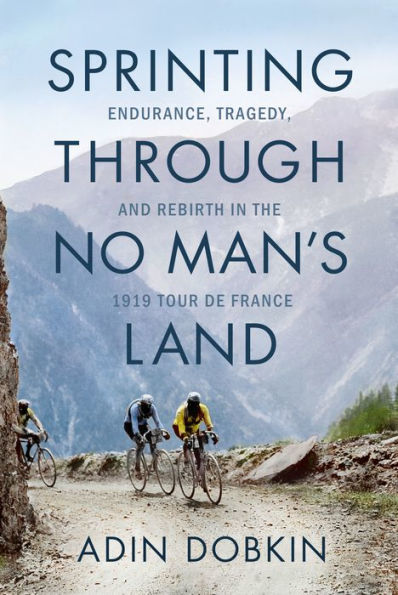
Sprinting Through No Man's Land: Endurance, Tragedy, and Rebirth the 1919 Tour de France in Franklin, TN
Current price: $24.95
Barnes and Noble
Sprinting Through No Man's Land: Endurance, Tragedy, and Rebirth the 1919 Tour de France in Franklin, TN
Current price: $24.95
Loading Inventory...
Size: Hardcover
The inspiring, heart-pumping true story of soldiers turned cyclists and the historic 1919 Tour de France that helped to restore a war-torn country and its people.
On June 29, 1919, one day after the Treaty of Versailles brought about the end of World War I, nearly seventy cyclists embarked on the thirteenth Tour de France. From Paris, the war-weary men rode down the western coast on a race that would trace the country’s border, through seaside towns and mountains to the ghostly western front. Traversing a cratered postwar landscape, the cyclists faced near-impossible odds and the psychological scars of war. Most of the athletes had arrived straight from the front, where so many fellow countrymen had suffered or died. The cyclists’ perseverance and tolerance for pain would be tested in a grueling, monthlong competition.
An inspiring true story of human endurance,
Sprinting Through No Man’s Land
explores how the cyclists united a country that had been torn apart by unprecedented desolation and tragedy. It shows how devastated countrymen and women can come together to celebrate the adventure of a lifetime and discover renewed fortitude, purpose, and national identity in the streets of their towns.
On June 29, 1919, one day after the Treaty of Versailles brought about the end of World War I, nearly seventy cyclists embarked on the thirteenth Tour de France. From Paris, the war-weary men rode down the western coast on a race that would trace the country’s border, through seaside towns and mountains to the ghostly western front. Traversing a cratered postwar landscape, the cyclists faced near-impossible odds and the psychological scars of war. Most of the athletes had arrived straight from the front, where so many fellow countrymen had suffered or died. The cyclists’ perseverance and tolerance for pain would be tested in a grueling, monthlong competition.
An inspiring true story of human endurance,
Sprinting Through No Man’s Land
explores how the cyclists united a country that had been torn apart by unprecedented desolation and tragedy. It shows how devastated countrymen and women can come together to celebrate the adventure of a lifetime and discover renewed fortitude, purpose, and national identity in the streets of their towns.
The inspiring, heart-pumping true story of soldiers turned cyclists and the historic 1919 Tour de France that helped to restore a war-torn country and its people.
On June 29, 1919, one day after the Treaty of Versailles brought about the end of World War I, nearly seventy cyclists embarked on the thirteenth Tour de France. From Paris, the war-weary men rode down the western coast on a race that would trace the country’s border, through seaside towns and mountains to the ghostly western front. Traversing a cratered postwar landscape, the cyclists faced near-impossible odds and the psychological scars of war. Most of the athletes had arrived straight from the front, where so many fellow countrymen had suffered or died. The cyclists’ perseverance and tolerance for pain would be tested in a grueling, monthlong competition.
An inspiring true story of human endurance,
Sprinting Through No Man’s Land
explores how the cyclists united a country that had been torn apart by unprecedented desolation and tragedy. It shows how devastated countrymen and women can come together to celebrate the adventure of a lifetime and discover renewed fortitude, purpose, and national identity in the streets of their towns.
On June 29, 1919, one day after the Treaty of Versailles brought about the end of World War I, nearly seventy cyclists embarked on the thirteenth Tour de France. From Paris, the war-weary men rode down the western coast on a race that would trace the country’s border, through seaside towns and mountains to the ghostly western front. Traversing a cratered postwar landscape, the cyclists faced near-impossible odds and the psychological scars of war. Most of the athletes had arrived straight from the front, where so many fellow countrymen had suffered or died. The cyclists’ perseverance and tolerance for pain would be tested in a grueling, monthlong competition.
An inspiring true story of human endurance,
Sprinting Through No Man’s Land
explores how the cyclists united a country that had been torn apart by unprecedented desolation and tragedy. It shows how devastated countrymen and women can come together to celebrate the adventure of a lifetime and discover renewed fortitude, purpose, and national identity in the streets of their towns.
You May Also Like


















More About Barnes and Noble at CoolSprings Galleria
Barnes & Noble is the world’s largest retail bookseller and a leading retailer of content, digital media and educational products. Our Nook Digital business offers a lineup of NOOK® tablets and e-Readers and an expansive collection of digital reading content through the NOOK Store®. Barnes & Noble’s mission is to operate the best omni-channel specialty retail business in America, helping both our customers and booksellers reach their aspirations, while being a credit to the communities we serve.
1800 Galleria Blvd #1310, Franklin, TN 37067, United States
Find Barnes and Noble at CoolSprings Galleria in Franklin, TN
Visit Barnes and Noble at CoolSprings Galleria in Franklin, TN
