
Home
Stained Glass Ceilings: How Evangelicals Do Gender and Practice Power
Barnes and Noble
Loading Inventory...
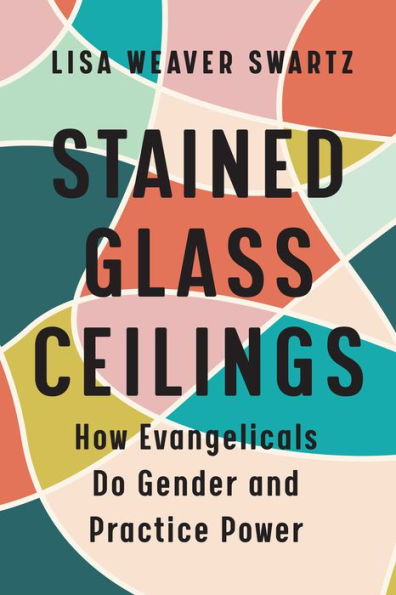
Stained Glass Ceilings: How Evangelicals Do Gender and Practice Power in Franklin, TN
Current price: $150.00
Barnes and Noble
Stained Glass Ceilings: How Evangelicals Do Gender and Practice Power in Franklin, TN
Current price: $150.00
Loading Inventory...
Size: Hardcover
Stained Glass Ceilings
speaks to the intersection of gender and power within American evangelicalism by examining the formation of evangelical leaders in two seminary communities.Southern Baptist Theological Seminary inspires a vision of human flourishing through gender differentiation and male headship. Men practice “Godly Manhood," and are taught to act as the "head" of a family, while their wives are socialized into codes of “Godly Womanhood" that prioritize prescribed gender roles. This power structure privileges men yet offers agency to their wives in women-centered spaces and through marital relationships. Meanwhile, Asbury Theological Seminary promises freedom from gendered hierarchies. Appealing to a story of gender-blind equality, Asbury welcomes women into classrooms, administrative offices, and pulpits. But the institution’s construction of egalitarianism obscures the fact that women are rewarded for adapting to an existing male-centered status quo rather than for developing their own voices as women. Featuring high-profile evangelicals such as Al Mohler and Owen Strachan, along with young seminarians poised to lead the movement in the coming decades,
illustrates the liabilities of white evangelical toolkits and argues that evangelical culture upholds male-centered structures of power even as it facilitates meaning and identity.
speaks to the intersection of gender and power within American evangelicalism by examining the formation of evangelical leaders in two seminary communities.Southern Baptist Theological Seminary inspires a vision of human flourishing through gender differentiation and male headship. Men practice “Godly Manhood," and are taught to act as the "head" of a family, while their wives are socialized into codes of “Godly Womanhood" that prioritize prescribed gender roles. This power structure privileges men yet offers agency to their wives in women-centered spaces and through marital relationships. Meanwhile, Asbury Theological Seminary promises freedom from gendered hierarchies. Appealing to a story of gender-blind equality, Asbury welcomes women into classrooms, administrative offices, and pulpits. But the institution’s construction of egalitarianism obscures the fact that women are rewarded for adapting to an existing male-centered status quo rather than for developing their own voices as women. Featuring high-profile evangelicals such as Al Mohler and Owen Strachan, along with young seminarians poised to lead the movement in the coming decades,
illustrates the liabilities of white evangelical toolkits and argues that evangelical culture upholds male-centered structures of power even as it facilitates meaning and identity.
Stained Glass Ceilings
speaks to the intersection of gender and power within American evangelicalism by examining the formation of evangelical leaders in two seminary communities.Southern Baptist Theological Seminary inspires a vision of human flourishing through gender differentiation and male headship. Men practice “Godly Manhood," and are taught to act as the "head" of a family, while their wives are socialized into codes of “Godly Womanhood" that prioritize prescribed gender roles. This power structure privileges men yet offers agency to their wives in women-centered spaces and through marital relationships. Meanwhile, Asbury Theological Seminary promises freedom from gendered hierarchies. Appealing to a story of gender-blind equality, Asbury welcomes women into classrooms, administrative offices, and pulpits. But the institution’s construction of egalitarianism obscures the fact that women are rewarded for adapting to an existing male-centered status quo rather than for developing their own voices as women. Featuring high-profile evangelicals such as Al Mohler and Owen Strachan, along with young seminarians poised to lead the movement in the coming decades,
illustrates the liabilities of white evangelical toolkits and argues that evangelical culture upholds male-centered structures of power even as it facilitates meaning and identity.
speaks to the intersection of gender and power within American evangelicalism by examining the formation of evangelical leaders in two seminary communities.Southern Baptist Theological Seminary inspires a vision of human flourishing through gender differentiation and male headship. Men practice “Godly Manhood," and are taught to act as the "head" of a family, while their wives are socialized into codes of “Godly Womanhood" that prioritize prescribed gender roles. This power structure privileges men yet offers agency to their wives in women-centered spaces and through marital relationships. Meanwhile, Asbury Theological Seminary promises freedom from gendered hierarchies. Appealing to a story of gender-blind equality, Asbury welcomes women into classrooms, administrative offices, and pulpits. But the institution’s construction of egalitarianism obscures the fact that women are rewarded for adapting to an existing male-centered status quo rather than for developing their own voices as women. Featuring high-profile evangelicals such as Al Mohler and Owen Strachan, along with young seminarians poised to lead the movement in the coming decades,
illustrates the liabilities of white evangelical toolkits and argues that evangelical culture upholds male-centered structures of power even as it facilitates meaning and identity.
You May Also Like














More About Barnes and Noble at CoolSprings Galleria
Barnes & Noble is the world’s largest retail bookseller and a leading retailer of content, digital media and educational products. Our Nook Digital business offers a lineup of NOOK® tablets and e-Readers and an expansive collection of digital reading content through the NOOK Store®. Barnes & Noble’s mission is to operate the best omni-channel specialty retail business in America, helping both our customers and booksellers reach their aspirations, while being a credit to the communities we serve.
1800 Galleria Blvd #1310, Franklin, TN 37067, United States
Find Barnes and Noble at CoolSprings Galleria in Franklin, TN
Visit Barnes and Noble at CoolSprings Galleria in Franklin, TN
