
Home
Sunset Boulevard
Barnes and Noble
Loading Inventory...
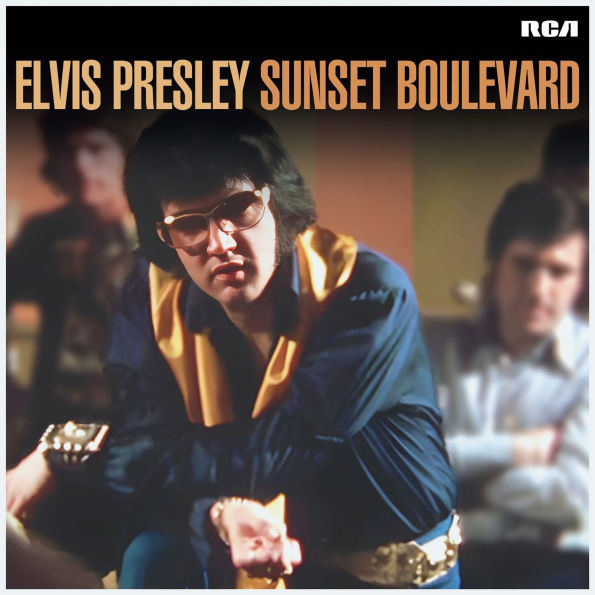
Sunset Boulevard in Franklin, TN
Current price: $86.99
Barnes and Noble
Sunset Boulevard in Franklin, TN
Current price: $86.99
Loading Inventory...
Size: CD
In March 1972,
Colonel Tom Parker
struck a deal with
MGM
to make a documentary about
Elvis Presley
on tour (imaginatively titled
Elvis On Tour
), and the filmmakers wanted to include footage of
Presley
working in the studio and rehearsing. This led
to
RCA Records
' Studio C in Los Angeles, California, where he cut seven new songs and rehearsed for his upcoming road trip. 2025's
Sunset Boulevard
offers a detailed look at the 1972 Los Angeles sessions, as well as ten tracks he recorded in L.A. in March 1975. One thing that sets these recordings apart is that
chose to record with his road band who had been working with him since 1968. His TCB Band boasted top-notch musicians who knew
's work habits well -- including
James Burton
and
John Wilkinson
on guitars,
Glen D. Hardin
on piano, and
Ronnie Tutt
on drums -- and they give these tracks excellent chops and a warmth and connection with the songs most studio crews couldn't have matched. While the L.A. recordings were heavily overdubbed for their initial release, for
, producer
Matt Ross-Spang
has given them new mixes that strip away the excess for a clearer picture of what
and his band sounded like in the moment. The results find
in excellent voice and giving the songs genuine emotional commitment. While the set opens with "Burning Love," one of
's most potent rockers of the 1970s, the majority of these songs deal with sadness and broken hearts, and the timing was significant. In 1972, his marriage to
Priscilla Presley
was on the verge of collapse, and on "Separate Ways," "Fool," and "Where Do I Go from Here," you can hear his regret and sense of loss as he wonders how he went so far wrong. Many have said
never fully rebounded from his divorce, and the 1975 tracks still reflect a downbeat mood, though "Shake a Hand" and "I Can Help" find him searching for a bright side.
and his team were chronically unimaginative when it came to finding material and thought in terms of singles rather than albums, and listening to this material, it's easy to imagine that with a bit more care and imagination,
could have turned these recordings into one of the greatest breakup albums of all time -- a mature but wounded portrait of a broken heart. The set also includes recordings of two rehearsal sessions held at Studio C in July 1970 and August 1974. Frankly, these are of dubious value; it's instructive to hear the give and take of
Elvis
and his band, and he has fun getting silly (and X-rated) on some tunes, but the quality of the audio is substandard: hollow and boomy in 1970, harsh and crackly in 1974. The studio masters and their accompanying outtakes make
a superior collection of late-period
, but think of the rehearsal recordings as a bonus that you needn't examine very often. ~ Mark Deming
Colonel Tom Parker
struck a deal with
MGM
to make a documentary about
Elvis Presley
on tour (imaginatively titled
Elvis On Tour
), and the filmmakers wanted to include footage of
Presley
working in the studio and rehearsing. This led
to
RCA Records
' Studio C in Los Angeles, California, where he cut seven new songs and rehearsed for his upcoming road trip. 2025's
Sunset Boulevard
offers a detailed look at the 1972 Los Angeles sessions, as well as ten tracks he recorded in L.A. in March 1975. One thing that sets these recordings apart is that
chose to record with his road band who had been working with him since 1968. His TCB Band boasted top-notch musicians who knew
's work habits well -- including
James Burton
and
John Wilkinson
on guitars,
Glen D. Hardin
on piano, and
Ronnie Tutt
on drums -- and they give these tracks excellent chops and a warmth and connection with the songs most studio crews couldn't have matched. While the L.A. recordings were heavily overdubbed for their initial release, for
, producer
Matt Ross-Spang
has given them new mixes that strip away the excess for a clearer picture of what
and his band sounded like in the moment. The results find
in excellent voice and giving the songs genuine emotional commitment. While the set opens with "Burning Love," one of
's most potent rockers of the 1970s, the majority of these songs deal with sadness and broken hearts, and the timing was significant. In 1972, his marriage to
Priscilla Presley
was on the verge of collapse, and on "Separate Ways," "Fool," and "Where Do I Go from Here," you can hear his regret and sense of loss as he wonders how he went so far wrong. Many have said
never fully rebounded from his divorce, and the 1975 tracks still reflect a downbeat mood, though "Shake a Hand" and "I Can Help" find him searching for a bright side.
and his team were chronically unimaginative when it came to finding material and thought in terms of singles rather than albums, and listening to this material, it's easy to imagine that with a bit more care and imagination,
could have turned these recordings into one of the greatest breakup albums of all time -- a mature but wounded portrait of a broken heart. The set also includes recordings of two rehearsal sessions held at Studio C in July 1970 and August 1974. Frankly, these are of dubious value; it's instructive to hear the give and take of
Elvis
and his band, and he has fun getting silly (and X-rated) on some tunes, but the quality of the audio is substandard: hollow and boomy in 1970, harsh and crackly in 1974. The studio masters and their accompanying outtakes make
a superior collection of late-period
, but think of the rehearsal recordings as a bonus that you needn't examine very often. ~ Mark Deming
In March 1972,
Colonel Tom Parker
struck a deal with
MGM
to make a documentary about
Elvis Presley
on tour (imaginatively titled
Elvis On Tour
), and the filmmakers wanted to include footage of
Presley
working in the studio and rehearsing. This led
to
RCA Records
' Studio C in Los Angeles, California, where he cut seven new songs and rehearsed for his upcoming road trip. 2025's
Sunset Boulevard
offers a detailed look at the 1972 Los Angeles sessions, as well as ten tracks he recorded in L.A. in March 1975. One thing that sets these recordings apart is that
chose to record with his road band who had been working with him since 1968. His TCB Band boasted top-notch musicians who knew
's work habits well -- including
James Burton
and
John Wilkinson
on guitars,
Glen D. Hardin
on piano, and
Ronnie Tutt
on drums -- and they give these tracks excellent chops and a warmth and connection with the songs most studio crews couldn't have matched. While the L.A. recordings were heavily overdubbed for their initial release, for
, producer
Matt Ross-Spang
has given them new mixes that strip away the excess for a clearer picture of what
and his band sounded like in the moment. The results find
in excellent voice and giving the songs genuine emotional commitment. While the set opens with "Burning Love," one of
's most potent rockers of the 1970s, the majority of these songs deal with sadness and broken hearts, and the timing was significant. In 1972, his marriage to
Priscilla Presley
was on the verge of collapse, and on "Separate Ways," "Fool," and "Where Do I Go from Here," you can hear his regret and sense of loss as he wonders how he went so far wrong. Many have said
never fully rebounded from his divorce, and the 1975 tracks still reflect a downbeat mood, though "Shake a Hand" and "I Can Help" find him searching for a bright side.
and his team were chronically unimaginative when it came to finding material and thought in terms of singles rather than albums, and listening to this material, it's easy to imagine that with a bit more care and imagination,
could have turned these recordings into one of the greatest breakup albums of all time -- a mature but wounded portrait of a broken heart. The set also includes recordings of two rehearsal sessions held at Studio C in July 1970 and August 1974. Frankly, these are of dubious value; it's instructive to hear the give and take of
Elvis
and his band, and he has fun getting silly (and X-rated) on some tunes, but the quality of the audio is substandard: hollow and boomy in 1970, harsh and crackly in 1974. The studio masters and their accompanying outtakes make
a superior collection of late-period
, but think of the rehearsal recordings as a bonus that you needn't examine very often. ~ Mark Deming
Colonel Tom Parker
struck a deal with
MGM
to make a documentary about
Elvis Presley
on tour (imaginatively titled
Elvis On Tour
), and the filmmakers wanted to include footage of
Presley
working in the studio and rehearsing. This led
to
RCA Records
' Studio C in Los Angeles, California, where he cut seven new songs and rehearsed for his upcoming road trip. 2025's
Sunset Boulevard
offers a detailed look at the 1972 Los Angeles sessions, as well as ten tracks he recorded in L.A. in March 1975. One thing that sets these recordings apart is that
chose to record with his road band who had been working with him since 1968. His TCB Band boasted top-notch musicians who knew
's work habits well -- including
James Burton
and
John Wilkinson
on guitars,
Glen D. Hardin
on piano, and
Ronnie Tutt
on drums -- and they give these tracks excellent chops and a warmth and connection with the songs most studio crews couldn't have matched. While the L.A. recordings were heavily overdubbed for their initial release, for
, producer
Matt Ross-Spang
has given them new mixes that strip away the excess for a clearer picture of what
and his band sounded like in the moment. The results find
in excellent voice and giving the songs genuine emotional commitment. While the set opens with "Burning Love," one of
's most potent rockers of the 1970s, the majority of these songs deal with sadness and broken hearts, and the timing was significant. In 1972, his marriage to
Priscilla Presley
was on the verge of collapse, and on "Separate Ways," "Fool," and "Where Do I Go from Here," you can hear his regret and sense of loss as he wonders how he went so far wrong. Many have said
never fully rebounded from his divorce, and the 1975 tracks still reflect a downbeat mood, though "Shake a Hand" and "I Can Help" find him searching for a bright side.
and his team were chronically unimaginative when it came to finding material and thought in terms of singles rather than albums, and listening to this material, it's easy to imagine that with a bit more care and imagination,
could have turned these recordings into one of the greatest breakup albums of all time -- a mature but wounded portrait of a broken heart. The set also includes recordings of two rehearsal sessions held at Studio C in July 1970 and August 1974. Frankly, these are of dubious value; it's instructive to hear the give and take of
Elvis
and his band, and he has fun getting silly (and X-rated) on some tunes, but the quality of the audio is substandard: hollow and boomy in 1970, harsh and crackly in 1974. The studio masters and their accompanying outtakes make
a superior collection of late-period
, but think of the rehearsal recordings as a bonus that you needn't examine very often. ~ Mark Deming
You May Also Like















More About Barnes and Noble at CoolSprings Galleria
Barnes & Noble is the world’s largest retail bookseller and a leading retailer of content, digital media and educational products. Our Nook Digital business offers a lineup of NOOK® tablets and e-Readers and an expansive collection of digital reading content through the NOOK Store®. Barnes & Noble’s mission is to operate the best omni-channel specialty retail business in America, helping both our customers and booksellers reach their aspirations, while being a credit to the communities we serve.
1800 Galleria Blvd #1310, Franklin, TN 37067, United States
Find Barnes and Noble at CoolSprings Galleria in Franklin, TN
Visit Barnes and Noble at CoolSprings Galleria in Franklin, TN
