
Home
Te Rii ni Banaba: Backbone of Banaba
Barnes and Noble
Loading Inventory...
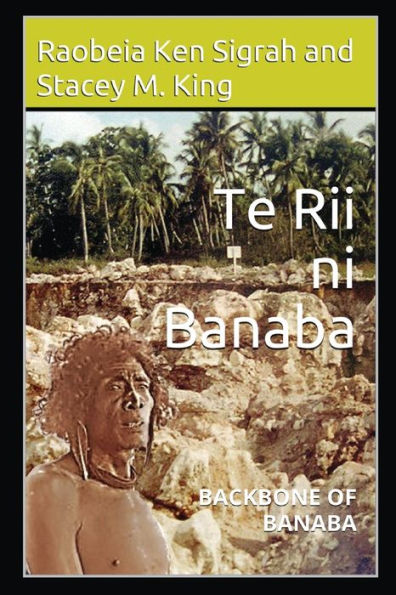
Te Rii ni Banaba: Backbone of Banaba in Franklin, TN
Current price: $32.99
Barnes and Noble
Te Rii ni Banaba: Backbone of Banaba in Franklin, TN
Current price: $32.99
Loading Inventory...
Size: Hardcover
Te Rii ni Banaba - backbone of Banaba
, is a history of Banaba, situated in the Central Pacific, once known as Ocean Island. By recording genealogies, myths, legends, customs, culture, magic rituals and the long-kept secrets of the te Aka clan reveals the uniqueness of Banaban identity. The arrival of the I-Matang (Europeans), beachcombers, blackbirders, whalers, missionaries, and the miners in 1900, with the discovery of phosphate (guano) and a heartbreaking trail of loss, exploitation and environmental degradation from mining. The toll of World War II atrocities suffered during the Japanese invasion, and the subsequent forced exile of the Banabans from their homeland. The recorded names of those tragically killed on Banaba during the War and displaced Banaban survivors who were exiled on Rabi, Fiji in 1945.
, brings to light new research, including the long-kept secrets of the mysterious te Aka clan, and the successive invasions of Banaba. Then the I-Matang (Europeans) arrived - beachcombers, blackbirders, whalers, missionaries, miners and an occupying Japanese military force during World War II. 1900 was a turning point in this sequence of events with the discovery of phosphate (guano) and a tragic trail of loss and environmental degradation from mining. The Banaban people, who were exiled from their homeland - first during the Pacific War, then to Rabi (Fiji) afterward. The names of all those Banabans tragically killed on Banaba during the War and the names of the displaced Banaban survivors who arrived on Rabi in 1945 are recorded. Although always remote and now decimated by mining, Banaba remains in the hearts of all Banabans. A key narrative in
Te Rii Ni Banaba - backbone of Banaba
, is the struggle by Banabans to discover their culture and identity, and the authors write, fearful that due to pressure from Fijian, I-Kiribati and western influences, future generations will no longer know or identify as Banaban.
This second edition includes additional photographs, the discovery of the missing link of the Toakira, the search for Teimanaia's skull, identification of the landowners from the first agreements in 1900, and insights into the famous 1975 Banaban Court Case. It also provides details of villages lost to mining for future generations to trace their genealogies and land rights. Although remote and now decimated by mining, Banaba remains in the hearts of all Banabans.
, is a history of Banaba, situated in the Central Pacific, once known as Ocean Island. By recording genealogies, myths, legends, customs, culture, magic rituals and the long-kept secrets of the te Aka clan reveals the uniqueness of Banaban identity. The arrival of the I-Matang (Europeans), beachcombers, blackbirders, whalers, missionaries, and the miners in 1900, with the discovery of phosphate (guano) and a heartbreaking trail of loss, exploitation and environmental degradation from mining. The toll of World War II atrocities suffered during the Japanese invasion, and the subsequent forced exile of the Banabans from their homeland. The recorded names of those tragically killed on Banaba during the War and displaced Banaban survivors who were exiled on Rabi, Fiji in 1945.
, brings to light new research, including the long-kept secrets of the mysterious te Aka clan, and the successive invasions of Banaba. Then the I-Matang (Europeans) arrived - beachcombers, blackbirders, whalers, missionaries, miners and an occupying Japanese military force during World War II. 1900 was a turning point in this sequence of events with the discovery of phosphate (guano) and a tragic trail of loss and environmental degradation from mining. The Banaban people, who were exiled from their homeland - first during the Pacific War, then to Rabi (Fiji) afterward. The names of all those Banabans tragically killed on Banaba during the War and the names of the displaced Banaban survivors who arrived on Rabi in 1945 are recorded. Although always remote and now decimated by mining, Banaba remains in the hearts of all Banabans. A key narrative in
Te Rii Ni Banaba - backbone of Banaba
, is the struggle by Banabans to discover their culture and identity, and the authors write, fearful that due to pressure from Fijian, I-Kiribati and western influences, future generations will no longer know or identify as Banaban.
This second edition includes additional photographs, the discovery of the missing link of the Toakira, the search for Teimanaia's skull, identification of the landowners from the first agreements in 1900, and insights into the famous 1975 Banaban Court Case. It also provides details of villages lost to mining for future generations to trace their genealogies and land rights. Although remote and now decimated by mining, Banaba remains in the hearts of all Banabans.
Te Rii ni Banaba - backbone of Banaba
, is a history of Banaba, situated in the Central Pacific, once known as Ocean Island. By recording genealogies, myths, legends, customs, culture, magic rituals and the long-kept secrets of the te Aka clan reveals the uniqueness of Banaban identity. The arrival of the I-Matang (Europeans), beachcombers, blackbirders, whalers, missionaries, and the miners in 1900, with the discovery of phosphate (guano) and a heartbreaking trail of loss, exploitation and environmental degradation from mining. The toll of World War II atrocities suffered during the Japanese invasion, and the subsequent forced exile of the Banabans from their homeland. The recorded names of those tragically killed on Banaba during the War and displaced Banaban survivors who were exiled on Rabi, Fiji in 1945.
, brings to light new research, including the long-kept secrets of the mysterious te Aka clan, and the successive invasions of Banaba. Then the I-Matang (Europeans) arrived - beachcombers, blackbirders, whalers, missionaries, miners and an occupying Japanese military force during World War II. 1900 was a turning point in this sequence of events with the discovery of phosphate (guano) and a tragic trail of loss and environmental degradation from mining. The Banaban people, who were exiled from their homeland - first during the Pacific War, then to Rabi (Fiji) afterward. The names of all those Banabans tragically killed on Banaba during the War and the names of the displaced Banaban survivors who arrived on Rabi in 1945 are recorded. Although always remote and now decimated by mining, Banaba remains in the hearts of all Banabans. A key narrative in
Te Rii Ni Banaba - backbone of Banaba
, is the struggle by Banabans to discover their culture and identity, and the authors write, fearful that due to pressure from Fijian, I-Kiribati and western influences, future generations will no longer know or identify as Banaban.
This second edition includes additional photographs, the discovery of the missing link of the Toakira, the search for Teimanaia's skull, identification of the landowners from the first agreements in 1900, and insights into the famous 1975 Banaban Court Case. It also provides details of villages lost to mining for future generations to trace their genealogies and land rights. Although remote and now decimated by mining, Banaba remains in the hearts of all Banabans.
, is a history of Banaba, situated in the Central Pacific, once known as Ocean Island. By recording genealogies, myths, legends, customs, culture, magic rituals and the long-kept secrets of the te Aka clan reveals the uniqueness of Banaban identity. The arrival of the I-Matang (Europeans), beachcombers, blackbirders, whalers, missionaries, and the miners in 1900, with the discovery of phosphate (guano) and a heartbreaking trail of loss, exploitation and environmental degradation from mining. The toll of World War II atrocities suffered during the Japanese invasion, and the subsequent forced exile of the Banabans from their homeland. The recorded names of those tragically killed on Banaba during the War and displaced Banaban survivors who were exiled on Rabi, Fiji in 1945.
, brings to light new research, including the long-kept secrets of the mysterious te Aka clan, and the successive invasions of Banaba. Then the I-Matang (Europeans) arrived - beachcombers, blackbirders, whalers, missionaries, miners and an occupying Japanese military force during World War II. 1900 was a turning point in this sequence of events with the discovery of phosphate (guano) and a tragic trail of loss and environmental degradation from mining. The Banaban people, who were exiled from their homeland - first during the Pacific War, then to Rabi (Fiji) afterward. The names of all those Banabans tragically killed on Banaba during the War and the names of the displaced Banaban survivors who arrived on Rabi in 1945 are recorded. Although always remote and now decimated by mining, Banaba remains in the hearts of all Banabans. A key narrative in
Te Rii Ni Banaba - backbone of Banaba
, is the struggle by Banabans to discover their culture and identity, and the authors write, fearful that due to pressure from Fijian, I-Kiribati and western influences, future generations will no longer know or identify as Banaban.
This second edition includes additional photographs, the discovery of the missing link of the Toakira, the search for Teimanaia's skull, identification of the landowners from the first agreements in 1900, and insights into the famous 1975 Banaban Court Case. It also provides details of villages lost to mining for future generations to trace their genealogies and land rights. Although remote and now decimated by mining, Banaba remains in the hearts of all Banabans.
You May Also Like
















More About Barnes and Noble at CoolSprings Galleria
Barnes & Noble is the world’s largest retail bookseller and a leading retailer of content, digital media and educational products. Our Nook Digital business offers a lineup of NOOK® tablets and e-Readers and an expansive collection of digital reading content through the NOOK Store®. Barnes & Noble’s mission is to operate the best omni-channel specialty retail business in America, helping both our customers and booksellers reach their aspirations, while being a credit to the communities we serve.
1800 Galleria Blvd #1310, Franklin, TN 37067, United States
Find Barnes and Noble at CoolSprings Galleria in Franklin, TN
Visit Barnes and Noble at CoolSprings Galleria in Franklin, TN
