
Home
The Ambivalence of Imperial Discourse: Cervantes's "La Numancia" within the 'Lost Generation' of Spanish Drama (1570-90)
Barnes and Noble
Loading Inventory...
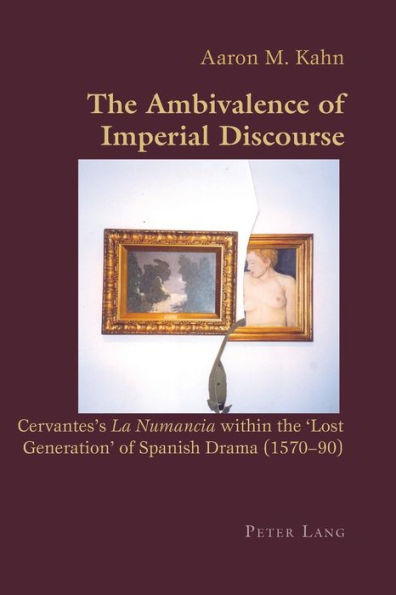
The Ambivalence of Imperial Discourse: Cervantes's "La Numancia" within the 'Lost Generation' of Spanish Drama (1570-90) in Franklin, TN
Current price: $88.20
Barnes and Noble
The Ambivalence of Imperial Discourse: Cervantes's "La Numancia" within the 'Lost Generation' of Spanish Drama (1570-90) in Franklin, TN
Current price: $88.20
Loading Inventory...
Size: OS
This book offers a new reading of Miguel de Cervantes's play
La destrucción de Numancia
(c.1583), analysing the work in relation to theories of empire in sixteenth-century Spain, in the context of plays written immediately before the rise in popularity of Lope de Vega and the
comedia nueva
, and the playwright's innovative use of dramatic techniques in this transitional period of Spanish drama. Dramatic writers have always used the stage as a medium through which they could comment on current events involving politics, religion, philosophy, and society; Cervantes was no exception. His discourse concerning imperial expansion in
La Numancia
has resulted in many conflicting interpretations of the play's meaning. This book explores the drama's thematic and generic ambiguities, as well as Cervantes's representation and interpretation of the historical record in the creation of his characters and his portrayal of the fall of Numancia in 133 BC to the Roman army of Scipio Aemilianus. Finally, this study addresses the significance of seemingly intentionally unclear discourse in reference to
and the turbulent political and religious environment of late sixteenth-century Spain.
La destrucción de Numancia
(c.1583), analysing the work in relation to theories of empire in sixteenth-century Spain, in the context of plays written immediately before the rise in popularity of Lope de Vega and the
comedia nueva
, and the playwright's innovative use of dramatic techniques in this transitional period of Spanish drama. Dramatic writers have always used the stage as a medium through which they could comment on current events involving politics, religion, philosophy, and society; Cervantes was no exception. His discourse concerning imperial expansion in
La Numancia
has resulted in many conflicting interpretations of the play's meaning. This book explores the drama's thematic and generic ambiguities, as well as Cervantes's representation and interpretation of the historical record in the creation of his characters and his portrayal of the fall of Numancia in 133 BC to the Roman army of Scipio Aemilianus. Finally, this study addresses the significance of seemingly intentionally unclear discourse in reference to
and the turbulent political and religious environment of late sixteenth-century Spain.
This book offers a new reading of Miguel de Cervantes's play
La destrucción de Numancia
(c.1583), analysing the work in relation to theories of empire in sixteenth-century Spain, in the context of plays written immediately before the rise in popularity of Lope de Vega and the
comedia nueva
, and the playwright's innovative use of dramatic techniques in this transitional period of Spanish drama. Dramatic writers have always used the stage as a medium through which they could comment on current events involving politics, religion, philosophy, and society; Cervantes was no exception. His discourse concerning imperial expansion in
La Numancia
has resulted in many conflicting interpretations of the play's meaning. This book explores the drama's thematic and generic ambiguities, as well as Cervantes's representation and interpretation of the historical record in the creation of his characters and his portrayal of the fall of Numancia in 133 BC to the Roman army of Scipio Aemilianus. Finally, this study addresses the significance of seemingly intentionally unclear discourse in reference to
and the turbulent political and religious environment of late sixteenth-century Spain.
La destrucción de Numancia
(c.1583), analysing the work in relation to theories of empire in sixteenth-century Spain, in the context of plays written immediately before the rise in popularity of Lope de Vega and the
comedia nueva
, and the playwright's innovative use of dramatic techniques in this transitional period of Spanish drama. Dramatic writers have always used the stage as a medium through which they could comment on current events involving politics, religion, philosophy, and society; Cervantes was no exception. His discourse concerning imperial expansion in
La Numancia
has resulted in many conflicting interpretations of the play's meaning. This book explores the drama's thematic and generic ambiguities, as well as Cervantes's representation and interpretation of the historical record in the creation of his characters and his portrayal of the fall of Numancia in 133 BC to the Roman army of Scipio Aemilianus. Finally, this study addresses the significance of seemingly intentionally unclear discourse in reference to
and the turbulent political and religious environment of late sixteenth-century Spain.
You May Also Like












More About Barnes and Noble at CoolSprings Galleria
Barnes & Noble is the world’s largest retail bookseller and a leading retailer of content, digital media and educational products. Our Nook Digital business offers a lineup of NOOK® tablets and e-Readers and an expansive collection of digital reading content through the NOOK Store®. Barnes & Noble’s mission is to operate the best omni-channel specialty retail business in America, helping both our customers and booksellers reach their aspirations, while being a credit to the communities we serve.
1800 Galleria Blvd #1310, Franklin, TN 37067, United States
Find Barnes and Noble at CoolSprings Galleria in Franklin, TN
Visit Barnes and Noble at CoolSprings Galleria in Franklin, TN
