
Home
The Art of Idleness
Barnes and Noble
Loading Inventory...
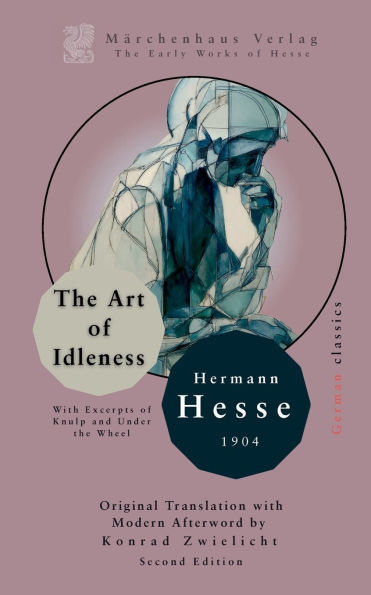
The Art of Idleness in Franklin, TN
Current price: $14.80
Barnes and Noble
The Art of Idleness in Franklin, TN
Current price: $14.80
Loading Inventory...
Size: Paperback
With excerpts from Knulp and Beneath the Wheel This early Hesse essay, written in 1904, was not published in his lifetime but first appeared in print posthumously under his estate's care in 1973. Titled in the original German "Die Kunst des Müßiggangs", the work is a meditative reflection on leisure and creativity. In it, Hesse argues for the value of contemplative rest in contrast to society's restless productivity, using lyrical prose and philosophical argumentation. The tone is calm and serious, blending moral observation with poetic description. Hesse's style in this essay is thoughtful and introspective, evoking the spiritual influence and mystical leanings that characterize his later writing. This modern translation is combined with excerpts from Beneath the Wheel and Knulp which follow the same themes. In Beneath the Wheel, Hans is crushed by relentless academic pressure, illustrating the dangers of a life devoid of leisure and inner freedom. Knulp, by contrast, embodies the joy and spiritual richness of a wandering, idle life lived outside bourgeois norms. Both works echo Hesse's call to reject the "hurry hurry" mentality and embrace a slower, more contemplative existence.
With excerpts from Knulp and Beneath the Wheel This early Hesse essay, written in 1904, was not published in his lifetime but first appeared in print posthumously under his estate's care in 1973. Titled in the original German "Die Kunst des Müßiggangs", the work is a meditative reflection on leisure and creativity. In it, Hesse argues for the value of contemplative rest in contrast to society's restless productivity, using lyrical prose and philosophical argumentation. The tone is calm and serious, blending moral observation with poetic description. Hesse's style in this essay is thoughtful and introspective, evoking the spiritual influence and mystical leanings that characterize his later writing. This modern translation is combined with excerpts from Beneath the Wheel and Knulp which follow the same themes. In Beneath the Wheel, Hans is crushed by relentless academic pressure, illustrating the dangers of a life devoid of leisure and inner freedom. Knulp, by contrast, embodies the joy and spiritual richness of a wandering, idle life lived outside bourgeois norms. Both works echo Hesse's call to reject the "hurry hurry" mentality and embrace a slower, more contemplative existence.
You May Also Like











More About Barnes and Noble at CoolSprings Galleria
Barnes & Noble is the world’s largest retail bookseller and a leading retailer of content, digital media and educational products. Our Nook Digital business offers a lineup of NOOK® tablets and e-Readers and an expansive collection of digital reading content through the NOOK Store®. Barnes & Noble’s mission is to operate the best omni-channel specialty retail business in America, helping both our customers and booksellers reach their aspirations, while being a credit to the communities we serve.
1800 Galleria Blvd #1310, Franklin, TN 37067, United States
Find Barnes and Noble at CoolSprings Galleria in Franklin, TN
Visit Barnes and Noble at CoolSprings Galleria in Franklin, TN
