
Home
The Best of Two Worlds
Barnes and Noble
Loading Inventory...
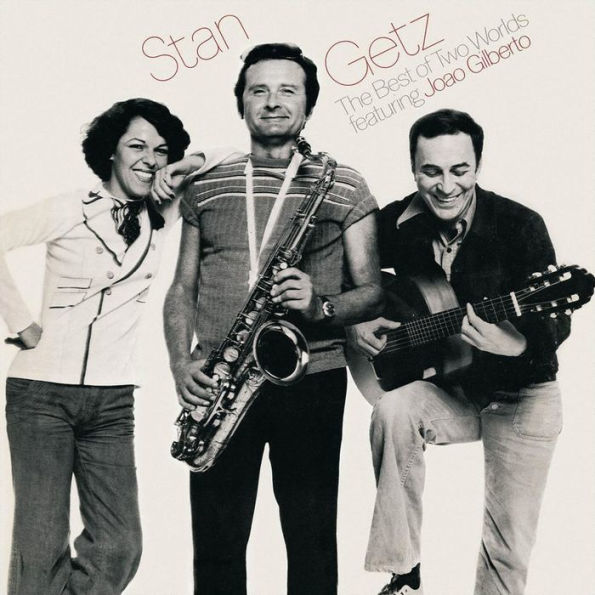
The Best of Two Worlds in Franklin, TN
Current price: $12.99
Barnes and Noble
The Best of Two Worlds in Franklin, TN
Current price: $12.99
Loading Inventory...
Size: OS
This 1976 album by the late saxophonist
Stan Getz
is a reunion of sorts with
Joao Gilberto
, the great Brazilian guitarist and singer, and the music of
Antonio Carlos Jobim
(or
Tom Jobim
), along with the stylish and nonintrusive arrangements of
Oscar Castro-Neves
. The trio changed the world in the early 1960s with its
Getz
/
Gilberto
albums. With
Castro-Neves
, they almost did it again, but with all of the crap falling down around them in the musical climate of the mid-'70s -- fusion, disco, overblown rock, and the serious decline of jazz -- this disc was criminally overlooked at the time. Joining these four men in their realization of modern bossa and samba are drummers
Billy Hart
and
Grady Tate
, percussionists
Airto
,
Ray Armando
, and
Rubens Bassini
, bassist
Steve Swallow
, pianist
Albert Dailey
Heliosa Buarque de Hollanda
singing the English vocals as a fill-in for
Astrud Gilberto
-- who was not invited to join this session and would have declined if she were. The most beautiful thing about this recording is that
Jobim
-- whose song forms had reached such a degree of sophistication that he was untouchable -- chose to write all of his lyrics in English (songwriter
Gene Lees
also wrote many in English). This is something that did not come naturally or effortlessly to
, but sounds as if it did.
's poetry on tracks such as "Waters of March," accompanied by
's lushly romantic saxophones and
's crooning nylon-string guitar, are so sensuous they radiate heat and humidity. Elsewhere, on the
Lees
co-write "Double Rainbow,"
's singing carries the soft bossa into the middle of American jazz phraseology and builds a bridge so airy and flexible it can never be undone. There is also a barn-burning samba in "Falsa Bahiana," which slips and shimmies along the 6/8 line and sweeps itself up in couplets in the solos. In all, this is as fine a bossa album as
ever recorded, standing among his finest works, and without a doubt equals his earlier collaborations with
. ~ Thom Jurek
Stan Getz
is a reunion of sorts with
Joao Gilberto
, the great Brazilian guitarist and singer, and the music of
Antonio Carlos Jobim
(or
Tom Jobim
), along with the stylish and nonintrusive arrangements of
Oscar Castro-Neves
. The trio changed the world in the early 1960s with its
Getz
/
Gilberto
albums. With
Castro-Neves
, they almost did it again, but with all of the crap falling down around them in the musical climate of the mid-'70s -- fusion, disco, overblown rock, and the serious decline of jazz -- this disc was criminally overlooked at the time. Joining these four men in their realization of modern bossa and samba are drummers
Billy Hart
and
Grady Tate
, percussionists
Airto
,
Ray Armando
, and
Rubens Bassini
, bassist
Steve Swallow
, pianist
Albert Dailey
Heliosa Buarque de Hollanda
singing the English vocals as a fill-in for
Astrud Gilberto
-- who was not invited to join this session and would have declined if she were. The most beautiful thing about this recording is that
Jobim
-- whose song forms had reached such a degree of sophistication that he was untouchable -- chose to write all of his lyrics in English (songwriter
Gene Lees
also wrote many in English). This is something that did not come naturally or effortlessly to
, but sounds as if it did.
's poetry on tracks such as "Waters of March," accompanied by
's lushly romantic saxophones and
's crooning nylon-string guitar, are so sensuous they radiate heat and humidity. Elsewhere, on the
Lees
co-write "Double Rainbow,"
's singing carries the soft bossa into the middle of American jazz phraseology and builds a bridge so airy and flexible it can never be undone. There is also a barn-burning samba in "Falsa Bahiana," which slips and shimmies along the 6/8 line and sweeps itself up in couplets in the solos. In all, this is as fine a bossa album as
ever recorded, standing among his finest works, and without a doubt equals his earlier collaborations with
. ~ Thom Jurek
This 1976 album by the late saxophonist
Stan Getz
is a reunion of sorts with
Joao Gilberto
, the great Brazilian guitarist and singer, and the music of
Antonio Carlos Jobim
(or
Tom Jobim
), along with the stylish and nonintrusive arrangements of
Oscar Castro-Neves
. The trio changed the world in the early 1960s with its
Getz
/
Gilberto
albums. With
Castro-Neves
, they almost did it again, but with all of the crap falling down around them in the musical climate of the mid-'70s -- fusion, disco, overblown rock, and the serious decline of jazz -- this disc was criminally overlooked at the time. Joining these four men in their realization of modern bossa and samba are drummers
Billy Hart
and
Grady Tate
, percussionists
Airto
,
Ray Armando
, and
Rubens Bassini
, bassist
Steve Swallow
, pianist
Albert Dailey
Heliosa Buarque de Hollanda
singing the English vocals as a fill-in for
Astrud Gilberto
-- who was not invited to join this session and would have declined if she were. The most beautiful thing about this recording is that
Jobim
-- whose song forms had reached such a degree of sophistication that he was untouchable -- chose to write all of his lyrics in English (songwriter
Gene Lees
also wrote many in English). This is something that did not come naturally or effortlessly to
, but sounds as if it did.
's poetry on tracks such as "Waters of March," accompanied by
's lushly romantic saxophones and
's crooning nylon-string guitar, are so sensuous they radiate heat and humidity. Elsewhere, on the
Lees
co-write "Double Rainbow,"
's singing carries the soft bossa into the middle of American jazz phraseology and builds a bridge so airy and flexible it can never be undone. There is also a barn-burning samba in "Falsa Bahiana," which slips and shimmies along the 6/8 line and sweeps itself up in couplets in the solos. In all, this is as fine a bossa album as
ever recorded, standing among his finest works, and without a doubt equals his earlier collaborations with
. ~ Thom Jurek
Stan Getz
is a reunion of sorts with
Joao Gilberto
, the great Brazilian guitarist and singer, and the music of
Antonio Carlos Jobim
(or
Tom Jobim
), along with the stylish and nonintrusive arrangements of
Oscar Castro-Neves
. The trio changed the world in the early 1960s with its
Getz
/
Gilberto
albums. With
Castro-Neves
, they almost did it again, but with all of the crap falling down around them in the musical climate of the mid-'70s -- fusion, disco, overblown rock, and the serious decline of jazz -- this disc was criminally overlooked at the time. Joining these four men in their realization of modern bossa and samba are drummers
Billy Hart
and
Grady Tate
, percussionists
Airto
,
Ray Armando
, and
Rubens Bassini
, bassist
Steve Swallow
, pianist
Albert Dailey
Heliosa Buarque de Hollanda
singing the English vocals as a fill-in for
Astrud Gilberto
-- who was not invited to join this session and would have declined if she were. The most beautiful thing about this recording is that
Jobim
-- whose song forms had reached such a degree of sophistication that he was untouchable -- chose to write all of his lyrics in English (songwriter
Gene Lees
also wrote many in English). This is something that did not come naturally or effortlessly to
, but sounds as if it did.
's poetry on tracks such as "Waters of March," accompanied by
's lushly romantic saxophones and
's crooning nylon-string guitar, are so sensuous they radiate heat and humidity. Elsewhere, on the
Lees
co-write "Double Rainbow,"
's singing carries the soft bossa into the middle of American jazz phraseology and builds a bridge so airy and flexible it can never be undone. There is also a barn-burning samba in "Falsa Bahiana," which slips and shimmies along the 6/8 line and sweeps itself up in couplets in the solos. In all, this is as fine a bossa album as
ever recorded, standing among his finest works, and without a doubt equals his earlier collaborations with
. ~ Thom Jurek
You May Also Like














More About Barnes and Noble at CoolSprings Galleria
Barnes & Noble is the world’s largest retail bookseller and a leading retailer of content, digital media and educational products. Our Nook Digital business offers a lineup of NOOK® tablets and e-Readers and an expansive collection of digital reading content through the NOOK Store®. Barnes & Noble’s mission is to operate the best omni-channel specialty retail business in America, helping both our customers and booksellers reach their aspirations, while being a credit to the communities we serve.
1800 Galleria Blvd #1310, Franklin, TN 37067, United States
Find Barnes and Noble at CoolSprings Galleria in Franklin, TN
Visit Barnes and Noble at CoolSprings Galleria in Franklin, TN
