
Home
The Brief History of World War 1: The Great War, Western and Eastern Front Battles, Chemical Warfare, and how Germany Lost, Leading to the Treaty of Versailles (1914-1919)
Barnes and Noble
Loading Inventory...
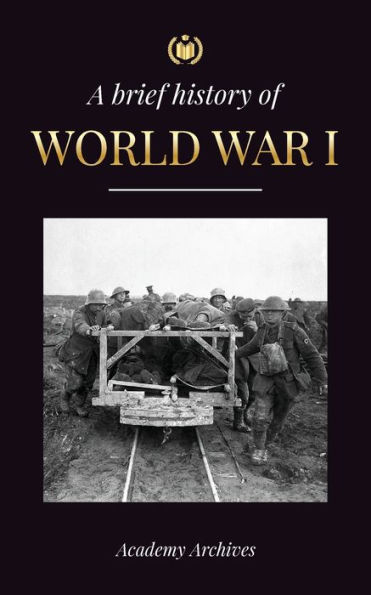
The Brief History of World War 1: The Great War, Western and Eastern Front Battles, Chemical Warfare, and how Germany Lost, Leading to the Treaty of Versailles (1914-1919) in Franklin, TN
Current price: $14.99
Barnes and Noble
The Brief History of World War 1: The Great War, Western and Eastern Front Battles, Chemical Warfare, and how Germany Lost, Leading to the Treaty of Versailles (1914-1919) in Franklin, TN
Current price: $14.99
Loading Inventory...
Size: OS
World War I
, also called the
World War
or the
Great War
, was a world war that began in Europe on July 28, 1914 and lasted until November 11, 1918. November 11 remained known as Armistice Day.
All the major powers of the world were involved in this war and were composed of two conflicting alliances: the Allies (centered around the Triple Entente of the United Kingdom, France and Russia) and the Centrals (originally centered around the Triple Alliance of Germany, Austria-Hungary and Italy). These alliances reorganized (Italy defected to the Allies in 1915) and expanded as more countries joined the war (Romania joined the Allies and the Ottoman Empire and Bulgaria joined the Centrals).
In the end, more than 70 million soldiers, including 60 million Europeans out of a population of 460 million, were mobilized in one of the largest wars in history.
Learn more about one of the most impactful events in our history and buy this book now!
, also called the
World War
or the
Great War
, was a world war that began in Europe on July 28, 1914 and lasted until November 11, 1918. November 11 remained known as Armistice Day.
All the major powers of the world were involved in this war and were composed of two conflicting alliances: the Allies (centered around the Triple Entente of the United Kingdom, France and Russia) and the Centrals (originally centered around the Triple Alliance of Germany, Austria-Hungary and Italy). These alliances reorganized (Italy defected to the Allies in 1915) and expanded as more countries joined the war (Romania joined the Allies and the Ottoman Empire and Bulgaria joined the Centrals).
In the end, more than 70 million soldiers, including 60 million Europeans out of a population of 460 million, were mobilized in one of the largest wars in history.
Learn more about one of the most impactful events in our history and buy this book now!
World War I
, also called the
World War
or the
Great War
, was a world war that began in Europe on July 28, 1914 and lasted until November 11, 1918. November 11 remained known as Armistice Day.
All the major powers of the world were involved in this war and were composed of two conflicting alliances: the Allies (centered around the Triple Entente of the United Kingdom, France and Russia) and the Centrals (originally centered around the Triple Alliance of Germany, Austria-Hungary and Italy). These alliances reorganized (Italy defected to the Allies in 1915) and expanded as more countries joined the war (Romania joined the Allies and the Ottoman Empire and Bulgaria joined the Centrals).
In the end, more than 70 million soldiers, including 60 million Europeans out of a population of 460 million, were mobilized in one of the largest wars in history.
Learn more about one of the most impactful events in our history and buy this book now!
, also called the
World War
or the
Great War
, was a world war that began in Europe on July 28, 1914 and lasted until November 11, 1918. November 11 remained known as Armistice Day.
All the major powers of the world were involved in this war and were composed of two conflicting alliances: the Allies (centered around the Triple Entente of the United Kingdom, France and Russia) and the Centrals (originally centered around the Triple Alliance of Germany, Austria-Hungary and Italy). These alliances reorganized (Italy defected to the Allies in 1915) and expanded as more countries joined the war (Romania joined the Allies and the Ottoman Empire and Bulgaria joined the Centrals).
In the end, more than 70 million soldiers, including 60 million Europeans out of a population of 460 million, were mobilized in one of the largest wars in history.
Learn more about one of the most impactful events in our history and buy this book now!
You May Also Like







More About Barnes and Noble at CoolSprings Galleria
Barnes & Noble is the world’s largest retail bookseller and a leading retailer of content, digital media and educational products. Our Nook Digital business offers a lineup of NOOK® tablets and e-Readers and an expansive collection of digital reading content through the NOOK Store®. Barnes & Noble’s mission is to operate the best omni-channel specialty retail business in America, helping both our customers and booksellers reach their aspirations, while being a credit to the communities we serve.
1800 Galleria Blvd #1310, Franklin, TN 37067, United States
Find Barnes and Noble at CoolSprings Galleria in Franklin, TN
Visit Barnes and Noble at CoolSprings Galleria in Franklin, TN
