
Home
The Champions of Camouflage
Barnes and Noble
Loading Inventory...

The Champions of Camouflage in Franklin, TN
Current price: $19.95
Barnes and Noble
The Champions of Camouflage in Franklin, TN
Current price: $19.95
Loading Inventory...
Size: OS
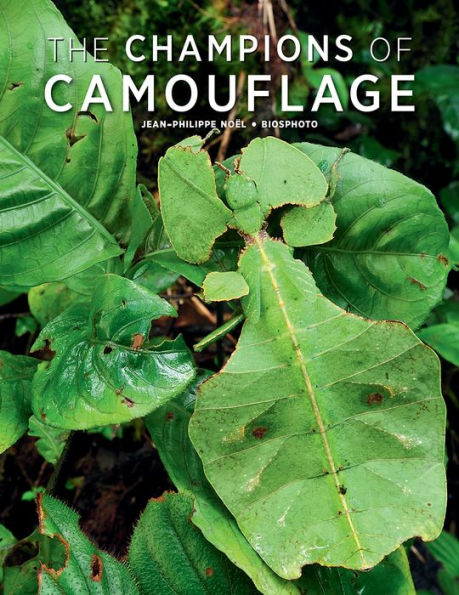
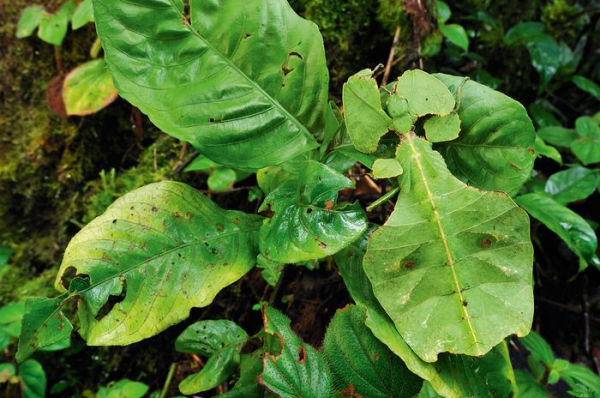
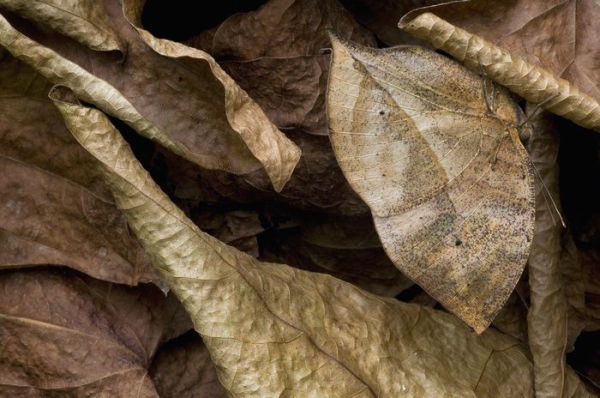
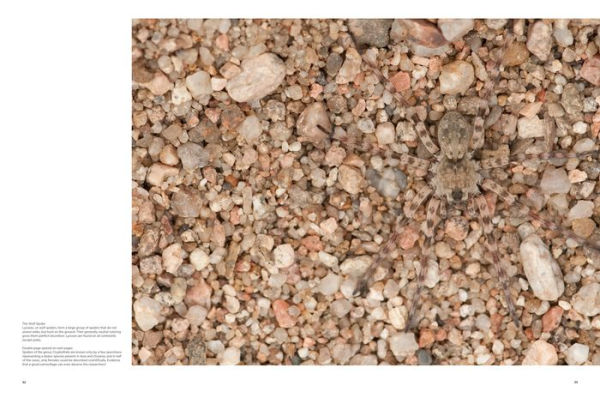
A selection of nature's greatest imposters, tricksters and magicians.
Whether to escape predators or to surprise their prey, the talented strategists of nature in
The Champions of Camouflage
survive using visual trickery and fascinating biology.
Some simply change their clothing to suit the seasons, such as the
willow ptarmigan
who appears pure white in winter snow and golden-brown-red in the summer. Others, like the
satanic leaf-tailed gecko
who disguises itself amidst leaves to blend into its surroundings, are the same year-round but their appearance seamlessly blends them into the environment.
Grasshoppers
of the genus
Paraphidnia
and the African mantis
Popa spurca
perfectly imitate the small branches of trees, becoming virtually invisible to predators and prey.
Some species use incredible stratagems to get rid of their enemies, of the frog
Physalaemus
, for example. When this amphibian is threatened, he turns his back to his opponent and shows his hindquarters on which is "painted" a pair of large black eyes. If the mask is not enough to intimidate the opponent, the fake eyes will emit an impressive "white secretion." That usually does the trick.
The book is organized by the manner of camouflage:
The Art of Camouflage
Invisibility cloak
Seasonal clothes
Quick colors
Changing Shapes
Leaf imposters
Moving twigs
The watery art of disappearing
Deception
Game of Illusion
At the masquerade ball
In the eye of the beholder
Trojan Horse
Identity theft
Bait and switch.
Whether to escape predators or to surprise their prey, the talented strategists of nature in
The Champions of Camouflage
survive using visual trickery and fascinating biology.
Some simply change their clothing to suit the seasons, such as the
willow ptarmigan
who appears pure white in winter snow and golden-brown-red in the summer. Others, like the
satanic leaf-tailed gecko
who disguises itself amidst leaves to blend into its surroundings, are the same year-round but their appearance seamlessly blends them into the environment.
Grasshoppers
of the genus
Paraphidnia
and the African mantis
Popa spurca
perfectly imitate the small branches of trees, becoming virtually invisible to predators and prey.
Some species use incredible stratagems to get rid of their enemies, of the frog
Physalaemus
, for example. When this amphibian is threatened, he turns his back to his opponent and shows his hindquarters on which is "painted" a pair of large black eyes. If the mask is not enough to intimidate the opponent, the fake eyes will emit an impressive "white secretion." That usually does the trick.
The book is organized by the manner of camouflage:
The Art of Camouflage
Invisibility cloak
Seasonal clothes
Quick colors
Changing Shapes
Leaf imposters
Moving twigs
The watery art of disappearing
Deception
Game of Illusion
At the masquerade ball
In the eye of the beholder
Trojan Horse
Identity theft
Bait and switch.
A selection of nature's greatest imposters, tricksters and magicians.
Whether to escape predators or to surprise their prey, the talented strategists of nature in
The Champions of Camouflage
survive using visual trickery and fascinating biology.
Some simply change their clothing to suit the seasons, such as the
willow ptarmigan
who appears pure white in winter snow and golden-brown-red in the summer. Others, like the
satanic leaf-tailed gecko
who disguises itself amidst leaves to blend into its surroundings, are the same year-round but their appearance seamlessly blends them into the environment.
Grasshoppers
of the genus
Paraphidnia
and the African mantis
Popa spurca
perfectly imitate the small branches of trees, becoming virtually invisible to predators and prey.
Some species use incredible stratagems to get rid of their enemies, of the frog
Physalaemus
, for example. When this amphibian is threatened, he turns his back to his opponent and shows his hindquarters on which is "painted" a pair of large black eyes. If the mask is not enough to intimidate the opponent, the fake eyes will emit an impressive "white secretion." That usually does the trick.
The book is organized by the manner of camouflage:
The Art of Camouflage
Invisibility cloak
Seasonal clothes
Quick colors
Changing Shapes
Leaf imposters
Moving twigs
The watery art of disappearing
Deception
Game of Illusion
At the masquerade ball
In the eye of the beholder
Trojan Horse
Identity theft
Bait and switch.
Whether to escape predators or to surprise their prey, the talented strategists of nature in
The Champions of Camouflage
survive using visual trickery and fascinating biology.
Some simply change their clothing to suit the seasons, such as the
willow ptarmigan
who appears pure white in winter snow and golden-brown-red in the summer. Others, like the
satanic leaf-tailed gecko
who disguises itself amidst leaves to blend into its surroundings, are the same year-round but their appearance seamlessly blends them into the environment.
Grasshoppers
of the genus
Paraphidnia
and the African mantis
Popa spurca
perfectly imitate the small branches of trees, becoming virtually invisible to predators and prey.
Some species use incredible stratagems to get rid of their enemies, of the frog
Physalaemus
, for example. When this amphibian is threatened, he turns his back to his opponent and shows his hindquarters on which is "painted" a pair of large black eyes. If the mask is not enough to intimidate the opponent, the fake eyes will emit an impressive "white secretion." That usually does the trick.
The book is organized by the manner of camouflage:
The Art of Camouflage
Invisibility cloak
Seasonal clothes
Quick colors
Changing Shapes
Leaf imposters
Moving twigs
The watery art of disappearing
Deception
Game of Illusion
At the masquerade ball
In the eye of the beholder
Trojan Horse
Identity theft
Bait and switch.
You May Also Like

















More About Barnes and Noble at CoolSprings Galleria
Barnes & Noble is the world’s largest retail bookseller and a leading retailer of content, digital media and educational products. Our Nook Digital business offers a lineup of NOOK® tablets and e-Readers and an expansive collection of digital reading content through the NOOK Store®. Barnes & Noble’s mission is to operate the best omni-channel specialty retail business in America, helping both our customers and booksellers reach their aspirations, while being a credit to the communities we serve.
1800 Galleria Blvd #1310, Franklin, TN 37067, United States
Find Barnes and Noble at CoolSprings Galleria in Franklin, TN
Visit Barnes and Noble at CoolSprings Galleria in Franklin, TN
