Home
The Elements and their Inhabitants
Barnes and Noble
Loading Inventory...
The Elements and their Inhabitants in Franklin, TN
By Barnes & Noble
Current price: $4.95
Barnes and Noble
The Elements and their Inhabitants in Franklin, TN
By Barnes & Noble
Current price: $4.95
Loading Inventory...
Size: Audiobook
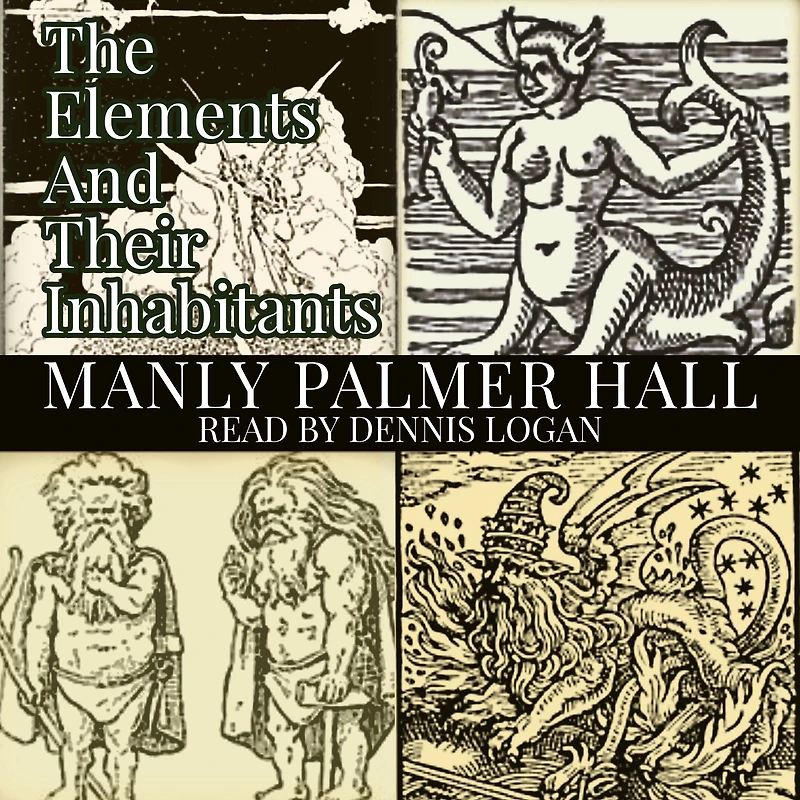
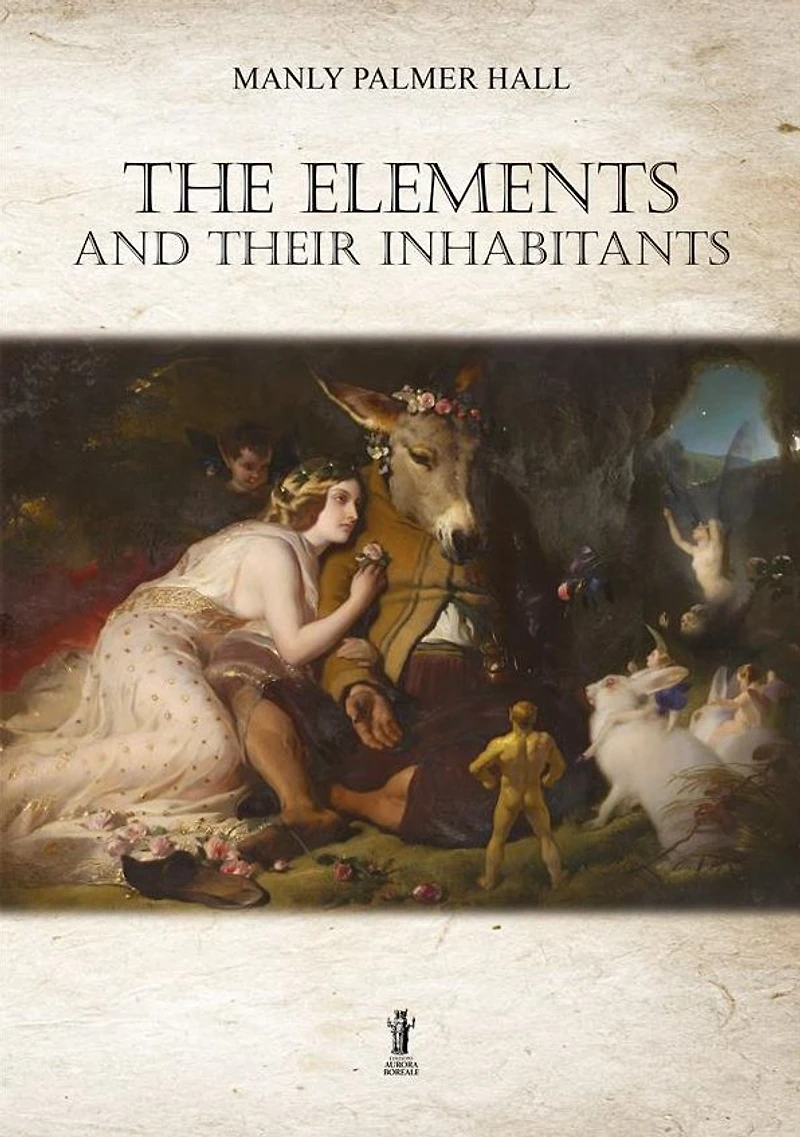
Just as visible Nature is populated by an infinite number of living creatures, so, according to Paracelsus, the invisible, spiritual counterpart of visible Nature (composed of the tenuous principles of the visible elements) is inhabited by a host of peculiar beings, to whom he has given the name elementals, and which have later been termed the Nature spirits. Paracelsus divided these people of the elements into four distinct groups, which he called gnomes, undines, sylphs, and salamanders. He taught that they were really living entities, many resembling human beings in shape, and inhabiting worlds of their own, unknown to man because his undeveloped senses were incapable of functioning beyond the limitations of the grosser elements.The civilizations of Greece, Rome, Egypt, China, and India believed implicitly in satyrs, sprites, and goblins. They peopled the sea with mermaids, the rivers and fountains with nymphs, the air with fairies, the fire with Lares and Penates, and the earth with fauns, dryads, and hamadryads. These Nature spirits were held in the highest esteem, and propitiatory offerings were made to them.Occasionally, as the result of atmospheric conditions or the peculiar sensitiveness of the devotee, they became visible. Many authors wrote concerning them in terms which signify that they had actually beheld these inhabitants of Nature’s finer realms. A number of authorities are of the opinion that many of the Gods worshiped by the pagans were elementals, for some of these invisibles were believed to be of commanding stature and magnificent deportment.The Greeks gave the name dæmon to some of these elementals, especially those of the higher orders, and worshiped them. Probably the most famous of these dæmons is the mysterious spirit which instructed Socrates, and of whom that great philosopher spoke in the highest terms. Those who have devoted much study to the invisible constitution of man realize that it is quite probable the dæmon of Socrates and the angel of Jakob Böhme were in reality not elementals, but the overshadowing divine natures of these philosophers themselves.
Just as visible Nature is populated by an infinite number of living creatures, so, according to Paracelsus, the invisible, spiritual counterpart of visible Nature (composed of the tenuous principles of the visible elements) is inhabited by a host of peculiar beings, to whom he has given the name elementals, and which have later been termed the Nature spirits. Paracelsus divided these people of the elements into four distinct groups, which he called gnomes, undines, sylphs, and salamanders. He taught that they were really living entities, many resembling human beings in shape, and inhabiting worlds of their own, unknown to man because his undeveloped senses were incapable of functioning beyond the limitations of the grosser elements.The civilizations of Greece, Rome, Egypt, China, and India believed implicitly in satyrs, sprites, and goblins. They peopled the sea with mermaids, the rivers and fountains with nymphs, the air with fairies, the fire with Lares and Penates, and the earth with fauns, dryads, and hamadryads. These Nature spirits were held in the highest esteem, and propitiatory offerings were made to them.Occasionally, as the result of atmospheric conditions or the peculiar sensitiveness of the devotee, they became visible. Many authors wrote concerning them in terms which signify that they had actually beheld these inhabitants of Nature’s finer realms. A number of authorities are of the opinion that many of the Gods worshiped by the pagans were elementals, for some of these invisibles were believed to be of commanding stature and magnificent deportment.The Greeks gave the name dæmon to some of these elementals, especially those of the higher orders, and worshiped them. Probably the most famous of these dæmons is the mysterious spirit which instructed Socrates, and of whom that great philosopher spoke in the highest terms. Those who have devoted much study to the invisible constitution of man realize that it is quite probable the dæmon of Socrates and the angel of Jakob Böhme were in reality not elementals, but the overshadowing divine natures of these philosophers themselves.
You May Also Like



![Odessa and Its Inhabitants, by an English Prisoner in Russia [W.B. Barker]](https://cdn.mall.adeptmind.ai/https%253A%252F%252Fcdn.shopify.com%252Fs%252Ffiles%252F1%252F0674%252F5433%252F7265%252Ffiles%252F9781023800044_p0.jpg_medium.webp)









More About Barnes and Noble at CoolSprings Galleria
Barnes & Noble is the world’s largest retail bookseller and a leading retailer of content, digital media and educational products. Our Nook Digital business offers a lineup of NOOK® tablets and e-Readers and an expansive collection of digital reading content through the NOOK Store®. Barnes & Noble’s mission is to operate the best omni-channel specialty retail business in America, helping both our customers and booksellers reach their aspirations, while being a credit to the communities we serve.
1800 Galleria Blvd #1310, Franklin, TN 37067, United States
Find Barnes and Noble at CoolSprings Galleria in Franklin, TN
Visit Barnes and Noble at CoolSprings Galleria in Franklin, TN