
Home
The Fabric of Subcultures: Networks, Ethnic Force Fields, and Peoples without Power
Barnes and Noble
Loading Inventory...
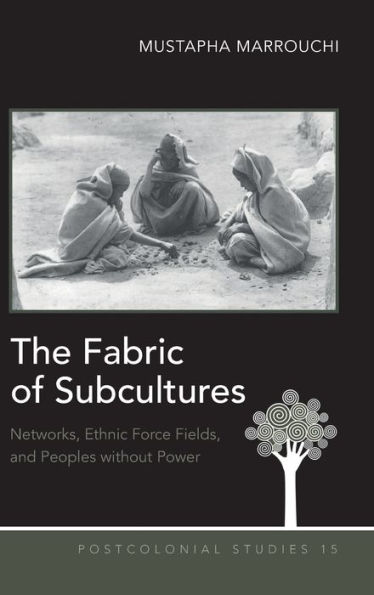
The Fabric of Subcultures: Networks, Ethnic Force Fields, and Peoples without Power in Franklin, TN
Current price: $135.60
Barnes and Noble
The Fabric of Subcultures: Networks, Ethnic Force Fields, and Peoples without Power in Franklin, TN
Current price: $135.60
Loading Inventory...
Size: OS
The Fabric of Subcultures
reflects on the state of the postcolonial signature behind stylistic refinements - a world of letters relatively dependent on the West for economic and political realms, and in which language systems, aesthetic orders, and genres struggle for dominance. Rejecting facile talk of postmodernism, with its suggestion of a happy melting pot of literature, this book exposes an emerging regime of inequality in the world of letters, where minor languages and literatures are subject to the invisible but implacable violence (of the letter) of their dominant counterparts. Inspired by the writings of Pierre Bourdieu, the book develops the first clear model for understanding the real value of the republic of postcolonial letters (if it ever existed). It proposes a baseline from which we might measure the validity of the emergent, as opposed to residual, signature, while arguing for the importance of literary capital and its role in giving legitimacy to developing peoples in their incessant struggle for international recognition. Within its overarching theory, the book locates three main categories in the genesis of postcolonial literature - English, French, and Creolismo - and closely examines towering figures in the realm of postcolonial letters - Jacques Derrida, Homi Bhabha, Patrick Chamoiseau, Mahmoud Darwish, Jamaica Kincaid, and Caryl Phillips, among others. It also explores the significance of cultural practices related to food (couscous) and sports (soccer) represented here by the iconic figure of Zinédine Zidane, a Beur born and raised in la banlieue (the suburbs). In other words, the book examines from the bottom up the political struggle of the postcolonial subject in the era of postmodernity - one framed by sites of resistance and efforts at constructing a theoretical model for the inventory of the present at a time when words like empire have possibly taken on a new significance.
reflects on the state of the postcolonial signature behind stylistic refinements - a world of letters relatively dependent on the West for economic and political realms, and in which language systems, aesthetic orders, and genres struggle for dominance. Rejecting facile talk of postmodernism, with its suggestion of a happy melting pot of literature, this book exposes an emerging regime of inequality in the world of letters, where minor languages and literatures are subject to the invisible but implacable violence (of the letter) of their dominant counterparts. Inspired by the writings of Pierre Bourdieu, the book develops the first clear model for understanding the real value of the republic of postcolonial letters (if it ever existed). It proposes a baseline from which we might measure the validity of the emergent, as opposed to residual, signature, while arguing for the importance of literary capital and its role in giving legitimacy to developing peoples in their incessant struggle for international recognition. Within its overarching theory, the book locates three main categories in the genesis of postcolonial literature - English, French, and Creolismo - and closely examines towering figures in the realm of postcolonial letters - Jacques Derrida, Homi Bhabha, Patrick Chamoiseau, Mahmoud Darwish, Jamaica Kincaid, and Caryl Phillips, among others. It also explores the significance of cultural practices related to food (couscous) and sports (soccer) represented here by the iconic figure of Zinédine Zidane, a Beur born and raised in la banlieue (the suburbs). In other words, the book examines from the bottom up the political struggle of the postcolonial subject in the era of postmodernity - one framed by sites of resistance and efforts at constructing a theoretical model for the inventory of the present at a time when words like empire have possibly taken on a new significance.
The Fabric of Subcultures
reflects on the state of the postcolonial signature behind stylistic refinements - a world of letters relatively dependent on the West for economic and political realms, and in which language systems, aesthetic orders, and genres struggle for dominance. Rejecting facile talk of postmodernism, with its suggestion of a happy melting pot of literature, this book exposes an emerging regime of inequality in the world of letters, where minor languages and literatures are subject to the invisible but implacable violence (of the letter) of their dominant counterparts. Inspired by the writings of Pierre Bourdieu, the book develops the first clear model for understanding the real value of the republic of postcolonial letters (if it ever existed). It proposes a baseline from which we might measure the validity of the emergent, as opposed to residual, signature, while arguing for the importance of literary capital and its role in giving legitimacy to developing peoples in their incessant struggle for international recognition. Within its overarching theory, the book locates three main categories in the genesis of postcolonial literature - English, French, and Creolismo - and closely examines towering figures in the realm of postcolonial letters - Jacques Derrida, Homi Bhabha, Patrick Chamoiseau, Mahmoud Darwish, Jamaica Kincaid, and Caryl Phillips, among others. It also explores the significance of cultural practices related to food (couscous) and sports (soccer) represented here by the iconic figure of Zinédine Zidane, a Beur born and raised in la banlieue (the suburbs). In other words, the book examines from the bottom up the political struggle of the postcolonial subject in the era of postmodernity - one framed by sites of resistance and efforts at constructing a theoretical model for the inventory of the present at a time when words like empire have possibly taken on a new significance.
reflects on the state of the postcolonial signature behind stylistic refinements - a world of letters relatively dependent on the West for economic and political realms, and in which language systems, aesthetic orders, and genres struggle for dominance. Rejecting facile talk of postmodernism, with its suggestion of a happy melting pot of literature, this book exposes an emerging regime of inequality in the world of letters, where minor languages and literatures are subject to the invisible but implacable violence (of the letter) of their dominant counterparts. Inspired by the writings of Pierre Bourdieu, the book develops the first clear model for understanding the real value of the republic of postcolonial letters (if it ever existed). It proposes a baseline from which we might measure the validity of the emergent, as opposed to residual, signature, while arguing for the importance of literary capital and its role in giving legitimacy to developing peoples in their incessant struggle for international recognition. Within its overarching theory, the book locates three main categories in the genesis of postcolonial literature - English, French, and Creolismo - and closely examines towering figures in the realm of postcolonial letters - Jacques Derrida, Homi Bhabha, Patrick Chamoiseau, Mahmoud Darwish, Jamaica Kincaid, and Caryl Phillips, among others. It also explores the significance of cultural practices related to food (couscous) and sports (soccer) represented here by the iconic figure of Zinédine Zidane, a Beur born and raised in la banlieue (the suburbs). In other words, the book examines from the bottom up the political struggle of the postcolonial subject in the era of postmodernity - one framed by sites of resistance and efforts at constructing a theoretical model for the inventory of the present at a time when words like empire have possibly taken on a new significance.
You May Also Like










More About Barnes and Noble at CoolSprings Galleria
Barnes & Noble is the world’s largest retail bookseller and a leading retailer of content, digital media and educational products. Our Nook Digital business offers a lineup of NOOK® tablets and e-Readers and an expansive collection of digital reading content through the NOOK Store®. Barnes & Noble’s mission is to operate the best omni-channel specialty retail business in America, helping both our customers and booksellers reach their aspirations, while being a credit to the communities we serve.
1800 Galleria Blvd #1310, Franklin, TN 37067, United States
Find Barnes and Noble at CoolSprings Galleria in Franklin, TN
Visit Barnes and Noble at CoolSprings Galleria in Franklin, TN
