
Home
The Kartvelian Languages: Historical and Linguistic Study
Barnes and Noble
Loading Inventory...
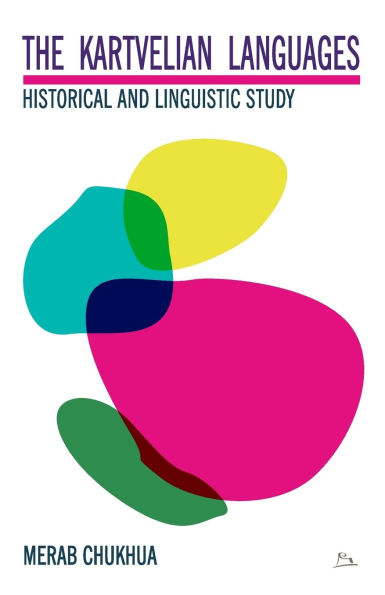
The Kartvelian Languages: Historical and Linguistic Study in Franklin, TN
Current price: $12.99
Barnes and Noble
The Kartvelian Languages: Historical and Linguistic Study in Franklin, TN
Current price: $12.99
Loading Inventory...
Size: OS
Discover the Hidden World of Georgia's Indigenous Languages
Did you know that around
six million people
in the world today speak one of the
Kartvelian languages
- a remarkable linguistic family found almost entirely within Georgia?
In this captivating and accessible study,
Merab Chukhua
takes readers on a journey through the
Kartvelian linguistic landscape
, introducing the languages and dialects that form the foundation of Georgia's identity:
Georgian, Laz-Megrelian, and Svan
. These are not borrowed tongues, but
indigenous languages of Georgia
, evolving for millennia amid the mountains and valleys of the Caucasus.
A Living Connection Between Past and Present
At the heart of this family stands
Georgian
, the
state language
of our country - preserved in ancient literary texts and inscriptions that bear witness to centuries of written culture. But the story doesn't end there.
The Georgian alphabet, a symbol of national unity, also served another fascinating role: from 1930 to 1938, it was used to print Megrelian-language newspapers and periodicals in Samegrelo, during a brief but significant period when Megrelian enjoyed a measure of cultural autonomy.
Meanwhile, a similar phenomenon unfolded in the Abkhazian region, where the
Laz language
had its own flourishing moment between 1927 and 1937. Today, the Laz-speaking community in Turkey continues to keep their language alive, using a Latin alphabet adapted for contemporary Laz - a testament to the resilience of Kartvelian languages beyond Georgia's borders.
A New Look at a Timeless Heritage
In
The Kartvelian Languages
, Chukhua presents this
diverse linguistic world
with clarity, warmth, and scholarly precision. The book brings to light
numerous aspects of Kartvelian linguistics from a fresh perspective
, shedding new insight on the evolution, interconnection, and cultural significance of these languages.
Written in a
scientific-popular style
, the book is
accessible to both specialists and general readers
, offering depth for linguists while remaining engaging for anyone fascinated by language, culture, or history.
Why You'll Love This Book:
It reveals how Georgia's languages grew, intertwined, and survived through centuries of change.
It connects language to identity, geography, and culture in an inspiring way.
It's compact, informative, and beautifully written - perfect for curious minds who want to understand Georgia at its roots.
Did you know that around
six million people
in the world today speak one of the
Kartvelian languages
- a remarkable linguistic family found almost entirely within Georgia?
In this captivating and accessible study,
Merab Chukhua
takes readers on a journey through the
Kartvelian linguistic landscape
, introducing the languages and dialects that form the foundation of Georgia's identity:
Georgian, Laz-Megrelian, and Svan
. These are not borrowed tongues, but
indigenous languages of Georgia
, evolving for millennia amid the mountains and valleys of the Caucasus.
A Living Connection Between Past and Present
At the heart of this family stands
Georgian
, the
state language
of our country - preserved in ancient literary texts and inscriptions that bear witness to centuries of written culture. But the story doesn't end there.
The Georgian alphabet, a symbol of national unity, also served another fascinating role: from 1930 to 1938, it was used to print Megrelian-language newspapers and periodicals in Samegrelo, during a brief but significant period when Megrelian enjoyed a measure of cultural autonomy.
Meanwhile, a similar phenomenon unfolded in the Abkhazian region, where the
Laz language
had its own flourishing moment between 1927 and 1937. Today, the Laz-speaking community in Turkey continues to keep their language alive, using a Latin alphabet adapted for contemporary Laz - a testament to the resilience of Kartvelian languages beyond Georgia's borders.
A New Look at a Timeless Heritage
In
The Kartvelian Languages
, Chukhua presents this
diverse linguistic world
with clarity, warmth, and scholarly precision. The book brings to light
numerous aspects of Kartvelian linguistics from a fresh perspective
, shedding new insight on the evolution, interconnection, and cultural significance of these languages.
Written in a
scientific-popular style
, the book is
accessible to both specialists and general readers
, offering depth for linguists while remaining engaging for anyone fascinated by language, culture, or history.
Why You'll Love This Book:
It reveals how Georgia's languages grew, intertwined, and survived through centuries of change.
It connects language to identity, geography, and culture in an inspiring way.
It's compact, informative, and beautifully written - perfect for curious minds who want to understand Georgia at its roots.
Discover the Hidden World of Georgia's Indigenous Languages
Did you know that around
six million people
in the world today speak one of the
Kartvelian languages
- a remarkable linguistic family found almost entirely within Georgia?
In this captivating and accessible study,
Merab Chukhua
takes readers on a journey through the
Kartvelian linguistic landscape
, introducing the languages and dialects that form the foundation of Georgia's identity:
Georgian, Laz-Megrelian, and Svan
. These are not borrowed tongues, but
indigenous languages of Georgia
, evolving for millennia amid the mountains and valleys of the Caucasus.
A Living Connection Between Past and Present
At the heart of this family stands
Georgian
, the
state language
of our country - preserved in ancient literary texts and inscriptions that bear witness to centuries of written culture. But the story doesn't end there.
The Georgian alphabet, a symbol of national unity, also served another fascinating role: from 1930 to 1938, it was used to print Megrelian-language newspapers and periodicals in Samegrelo, during a brief but significant period when Megrelian enjoyed a measure of cultural autonomy.
Meanwhile, a similar phenomenon unfolded in the Abkhazian region, where the
Laz language
had its own flourishing moment between 1927 and 1937. Today, the Laz-speaking community in Turkey continues to keep their language alive, using a Latin alphabet adapted for contemporary Laz - a testament to the resilience of Kartvelian languages beyond Georgia's borders.
A New Look at a Timeless Heritage
In
The Kartvelian Languages
, Chukhua presents this
diverse linguistic world
with clarity, warmth, and scholarly precision. The book brings to light
numerous aspects of Kartvelian linguistics from a fresh perspective
, shedding new insight on the evolution, interconnection, and cultural significance of these languages.
Written in a
scientific-popular style
, the book is
accessible to both specialists and general readers
, offering depth for linguists while remaining engaging for anyone fascinated by language, culture, or history.
Why You'll Love This Book:
It reveals how Georgia's languages grew, intertwined, and survived through centuries of change.
It connects language to identity, geography, and culture in an inspiring way.
It's compact, informative, and beautifully written - perfect for curious minds who want to understand Georgia at its roots.
Did you know that around
six million people
in the world today speak one of the
Kartvelian languages
- a remarkable linguistic family found almost entirely within Georgia?
In this captivating and accessible study,
Merab Chukhua
takes readers on a journey through the
Kartvelian linguistic landscape
, introducing the languages and dialects that form the foundation of Georgia's identity:
Georgian, Laz-Megrelian, and Svan
. These are not borrowed tongues, but
indigenous languages of Georgia
, evolving for millennia amid the mountains and valleys of the Caucasus.
A Living Connection Between Past and Present
At the heart of this family stands
Georgian
, the
state language
of our country - preserved in ancient literary texts and inscriptions that bear witness to centuries of written culture. But the story doesn't end there.
The Georgian alphabet, a symbol of national unity, also served another fascinating role: from 1930 to 1938, it was used to print Megrelian-language newspapers and periodicals in Samegrelo, during a brief but significant period when Megrelian enjoyed a measure of cultural autonomy.
Meanwhile, a similar phenomenon unfolded in the Abkhazian region, where the
Laz language
had its own flourishing moment between 1927 and 1937. Today, the Laz-speaking community in Turkey continues to keep their language alive, using a Latin alphabet adapted for contemporary Laz - a testament to the resilience of Kartvelian languages beyond Georgia's borders.
A New Look at a Timeless Heritage
In
The Kartvelian Languages
, Chukhua presents this
diverse linguistic world
with clarity, warmth, and scholarly precision. The book brings to light
numerous aspects of Kartvelian linguistics from a fresh perspective
, shedding new insight on the evolution, interconnection, and cultural significance of these languages.
Written in a
scientific-popular style
, the book is
accessible to both specialists and general readers
, offering depth for linguists while remaining engaging for anyone fascinated by language, culture, or history.
Why You'll Love This Book:
It reveals how Georgia's languages grew, intertwined, and survived through centuries of change.
It connects language to identity, geography, and culture in an inspiring way.
It's compact, informative, and beautifully written - perfect for curious minds who want to understand Georgia at its roots.
You May Also Like











More About Barnes and Noble at CoolSprings Galleria
Barnes & Noble is the world’s largest retail bookseller and a leading retailer of content, digital media and educational products. Our Nook Digital business offers a lineup of NOOK® tablets and e-Readers and an expansive collection of digital reading content through the NOOK Store®. Barnes & Noble’s mission is to operate the best omni-channel specialty retail business in America, helping both our customers and booksellers reach their aspirations, while being a credit to the communities we serve.
1800 Galleria Blvd #1310, Franklin, TN 37067, United States
Find Barnes and Noble at CoolSprings Galleria in Franklin, TN
Visit Barnes and Noble at CoolSprings Galleria in Franklin, TN
