
Home
The Medieval Literary: Beyond Form
Barnes and Noble
Loading Inventory...
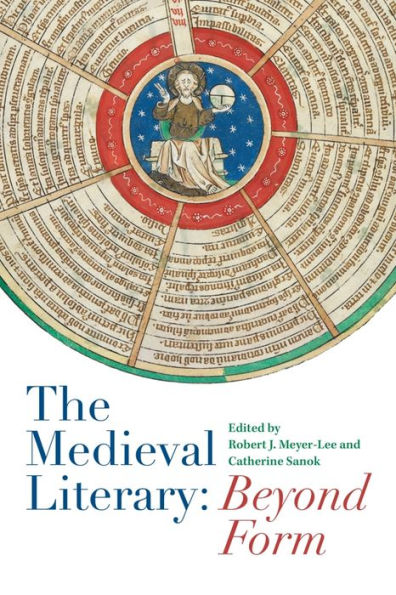
The Medieval Literary: Beyond Form in Franklin, TN
Current price: $110.00
Barnes and Noble
The Medieval Literary: Beyond Form in Franklin, TN
Current price: $110.00
Loading Inventory...
Size: OS
Essays studying the relationship between literariness and form in medieval texts.
The twenty-first century has witnessed the re-emergence of various kinds of literary formalism, and one project that characterizes most of these diverse formalisms is the effort to distinguish what is precisely
literary
about their objects of study. The presumed relation between
form
and the
that this project presupposes, however, raises questions that still need to be addressed. What is it about form that produces the category of the literary? What precisely is literary about literary form? Can the literary be defined beyond form?
This volume explores these questions in the historical and geographical frame of late medieval Britain, across vaunted literary works such as the
Franklin's Tale, Sir Gawain and the Green Knight
, and the Towneley
Shepherds' Plays
, and presumed "non-literary" texts, such as books of hours. By studying texts from a period long priorto literary formalism - indeed, before any fully articulated theory of the literary - the essays gathered here aim to rethink the relationship between form and the literary.
Robert J. Meyer-Lee is Margaret W. PepperdeneDistinguished Scholar-in-Residence at Agnes Scott College; Catherine Sanok is an Associate Professor of English and Women's Studies at the University of Michigan.
Contributors: Anke Bernau, Jessica Brantley, Seeta Chaganti, Shannon Gayk, Kathryn Kerby-Fulton, Andrew Klein, Robert J. Meyer-Lee, Ingrid Nelson, Maura Nolan, Sarah Elliott Novacich, Catherine Sanok, Emily Steiner, Claire M. Waters.
The twenty-first century has witnessed the re-emergence of various kinds of literary formalism, and one project that characterizes most of these diverse formalisms is the effort to distinguish what is precisely
literary
about their objects of study. The presumed relation between
form
and the
that this project presupposes, however, raises questions that still need to be addressed. What is it about form that produces the category of the literary? What precisely is literary about literary form? Can the literary be defined beyond form?
This volume explores these questions in the historical and geographical frame of late medieval Britain, across vaunted literary works such as the
Franklin's Tale, Sir Gawain and the Green Knight
, and the Towneley
Shepherds' Plays
, and presumed "non-literary" texts, such as books of hours. By studying texts from a period long priorto literary formalism - indeed, before any fully articulated theory of the literary - the essays gathered here aim to rethink the relationship between form and the literary.
Robert J. Meyer-Lee is Margaret W. PepperdeneDistinguished Scholar-in-Residence at Agnes Scott College; Catherine Sanok is an Associate Professor of English and Women's Studies at the University of Michigan.
Contributors: Anke Bernau, Jessica Brantley, Seeta Chaganti, Shannon Gayk, Kathryn Kerby-Fulton, Andrew Klein, Robert J. Meyer-Lee, Ingrid Nelson, Maura Nolan, Sarah Elliott Novacich, Catherine Sanok, Emily Steiner, Claire M. Waters.
Essays studying the relationship between literariness and form in medieval texts.
The twenty-first century has witnessed the re-emergence of various kinds of literary formalism, and one project that characterizes most of these diverse formalisms is the effort to distinguish what is precisely
literary
about their objects of study. The presumed relation between
form
and the
that this project presupposes, however, raises questions that still need to be addressed. What is it about form that produces the category of the literary? What precisely is literary about literary form? Can the literary be defined beyond form?
This volume explores these questions in the historical and geographical frame of late medieval Britain, across vaunted literary works such as the
Franklin's Tale, Sir Gawain and the Green Knight
, and the Towneley
Shepherds' Plays
, and presumed "non-literary" texts, such as books of hours. By studying texts from a period long priorto literary formalism - indeed, before any fully articulated theory of the literary - the essays gathered here aim to rethink the relationship between form and the literary.
Robert J. Meyer-Lee is Margaret W. PepperdeneDistinguished Scholar-in-Residence at Agnes Scott College; Catherine Sanok is an Associate Professor of English and Women's Studies at the University of Michigan.
Contributors: Anke Bernau, Jessica Brantley, Seeta Chaganti, Shannon Gayk, Kathryn Kerby-Fulton, Andrew Klein, Robert J. Meyer-Lee, Ingrid Nelson, Maura Nolan, Sarah Elliott Novacich, Catherine Sanok, Emily Steiner, Claire M. Waters.
The twenty-first century has witnessed the re-emergence of various kinds of literary formalism, and one project that characterizes most of these diverse formalisms is the effort to distinguish what is precisely
literary
about their objects of study. The presumed relation between
form
and the
that this project presupposes, however, raises questions that still need to be addressed. What is it about form that produces the category of the literary? What precisely is literary about literary form? Can the literary be defined beyond form?
This volume explores these questions in the historical and geographical frame of late medieval Britain, across vaunted literary works such as the
Franklin's Tale, Sir Gawain and the Green Knight
, and the Towneley
Shepherds' Plays
, and presumed "non-literary" texts, such as books of hours. By studying texts from a period long priorto literary formalism - indeed, before any fully articulated theory of the literary - the essays gathered here aim to rethink the relationship between form and the literary.
Robert J. Meyer-Lee is Margaret W. PepperdeneDistinguished Scholar-in-Residence at Agnes Scott College; Catherine Sanok is an Associate Professor of English and Women's Studies at the University of Michigan.
Contributors: Anke Bernau, Jessica Brantley, Seeta Chaganti, Shannon Gayk, Kathryn Kerby-Fulton, Andrew Klein, Robert J. Meyer-Lee, Ingrid Nelson, Maura Nolan, Sarah Elliott Novacich, Catherine Sanok, Emily Steiner, Claire M. Waters.
You May Also Like







More About Barnes and Noble at CoolSprings Galleria
Barnes & Noble is the world’s largest retail bookseller and a leading retailer of content, digital media and educational products. Our Nook Digital business offers a lineup of NOOK® tablets and e-Readers and an expansive collection of digital reading content through the NOOK Store®. Barnes & Noble’s mission is to operate the best omni-channel specialty retail business in America, helping both our customers and booksellers reach their aspirations, while being a credit to the communities we serve.
1800 Galleria Blvd #1310, Franklin, TN 37067, United States
Find Barnes and Noble at CoolSprings Galleria in Franklin, TN
Visit Barnes and Noble at CoolSprings Galleria in Franklin, TN
