
Home
the New Way: Protestantism and Hmong Vietnam
Barnes and Noble
Loading Inventory...
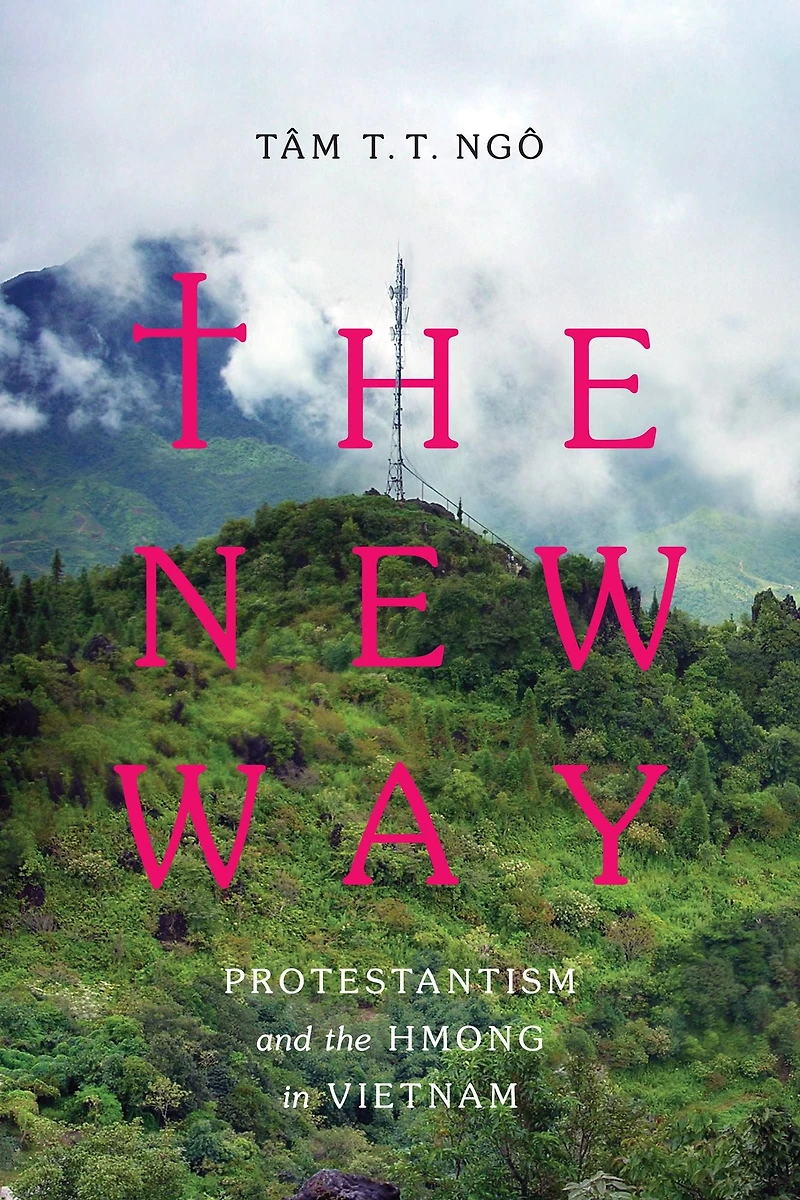
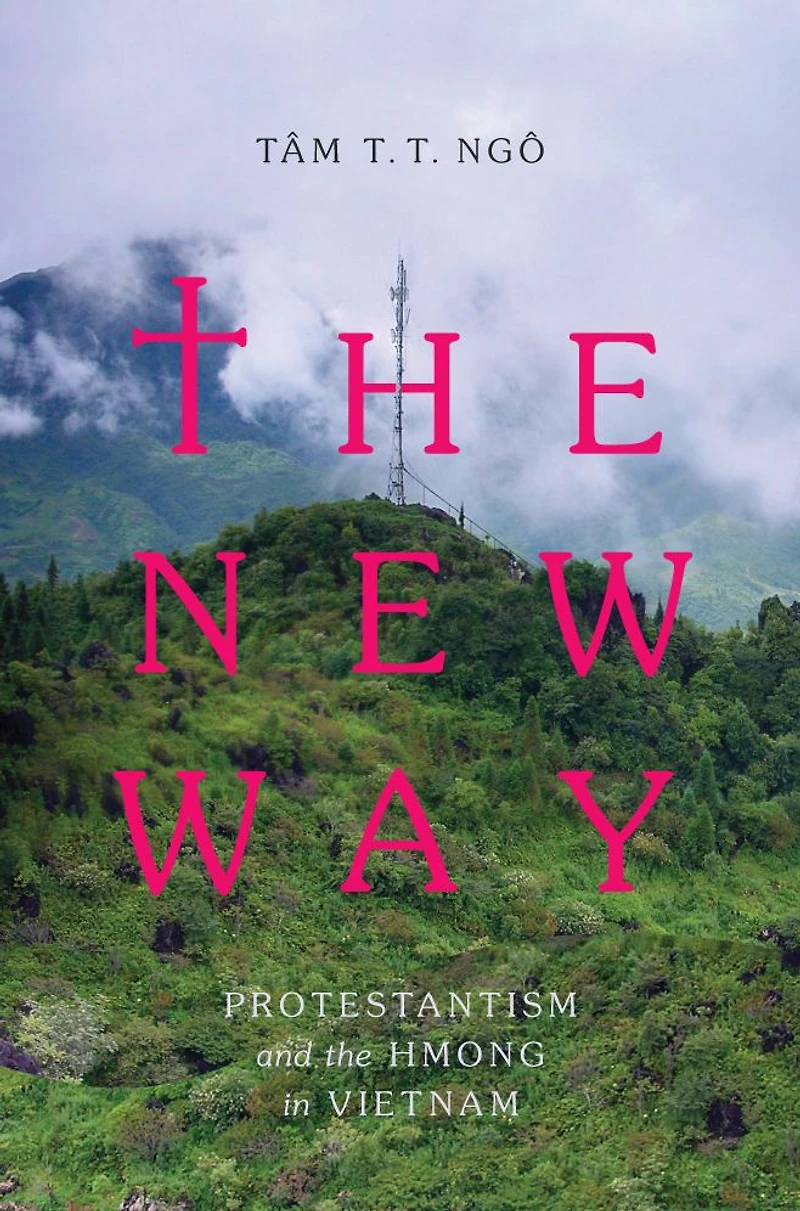

the New Way: Protestantism and Hmong Vietnam in Franklin, TN
By Barnes & Noble
Current price: $35.00
Barnes and Noble
the New Way: Protestantism and Hmong Vietnam in Franklin, TN
By Barnes & Noble
Current price: $35.00
Loading Inventory...
Size: EBook
In the mid-1980s, a radio program with a compelling spiritual message was accidentally received by listeners in Vietnam’s remote northern highlands. The Protestant evangelical communication had been created in the Hmong language by the Far East Broadcasting Company specifically for war refugees in Laos. The Vietnamese Hmong related the content to their traditional expectation of salvation by a Hmong messiah-king who would lead them out of subjugation, and they appropriated the evangelical message for themselves.Today, the New Way (Kev Cai Tshiab) has some three hundred thousand followers in Vietnam. Tam T. T. Ngo reveals the complex politics of religion and ethnic relations in contemporary Vietnam and illuminates the dynamic interplay between local and global forces, socialist and postsocialist state building, cold war and post–cold war antagonisms, Hmong transnationalism, and U.S.-led evangelical expansionism.
In the mid-1980s, a radio program with a compelling spiritual message was accidentally received by listeners in Vietnam’s remote northern highlands. The Protestant evangelical communication had been created in the Hmong language by the Far East Broadcasting Company specifically for war refugees in Laos. The Vietnamese Hmong related the content to their traditional expectation of salvation by a Hmong messiah-king who would lead them out of subjugation, and they appropriated the evangelical message for themselves.Today, the New Way (Kev Cai Tshiab) has some three hundred thousand followers in Vietnam. Tam T. T. Ngo reveals the complex politics of religion and ethnic relations in contemporary Vietnam and illuminates the dynamic interplay between local and global forces, socialist and postsocialist state building, cold war and post–cold war antagonisms, Hmong transnationalism, and U.S.-led evangelical expansionism.
You May Also Like










More About Barnes and Noble at CoolSprings Galleria
Barnes & Noble is the world’s largest retail bookseller and a leading retailer of content, digital media and educational products. Our Nook Digital business offers a lineup of NOOK® tablets and e-Readers and an expansive collection of digital reading content through the NOOK Store®. Barnes & Noble’s mission is to operate the best omni-channel specialty retail business in America, helping both our customers and booksellers reach their aspirations, while being a credit to the communities we serve.
1800 Galleria Blvd #1310, Franklin, TN 37067, United States
Find Barnes and Noble at CoolSprings Galleria in Franklin, TN
Visit Barnes and Noble at CoolSprings Galleria in Franklin, TN
