
Home
The Psychology of Functional Neuroses
Barnes and Noble
Loading Inventory...
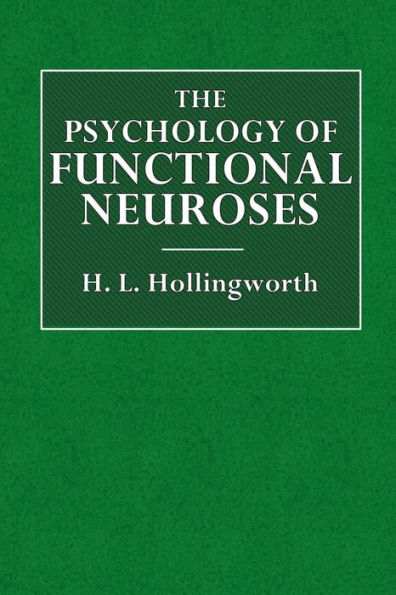
The Psychology of Functional Neuroses in Franklin, TN
Current price: $9.99
Barnes and Noble
The Psychology of Functional Neuroses in Franklin, TN
Current price: $9.99
Loading Inventory...
Size: OS
In the mental ratings of psychoneurotic patients, the author's data consist of intelligence tests of nearly 1,200 patients. The mental age ranged from 8.3 years, in cases of mental deficiency, to 13.2 years in psychasthenia. The epileptic and hysteric groups had a mental age of about 12 years. The mental age of the normal soldier is not over 14 years. The author states that "it is clear that the difference in specific symptoms is correlated with a difference in mental level," and that the lower the intelligence level, the more liable the soldier is to display the so-called conversion type of hysteria, and the higher the scale of his intelligence, the more likely he is to become neurasthenic or psychasthenic. Officers. for example. rarely show hysterical symptoms, usually having the so-called anxiety neuroses. The author concludes that it is this predisposition toward redintegrative conduct that constitutes or characterizes what may conveniently be called the psychoneurotic constitution. Finally he summarizes his conception of the functions of psychologic service in a neuropsychiatric hospital: "Through the intelligence examination to throw light on the clinical condition, the complete diagnosis, the proper disciplinary measures, the military or civil serviceability, and the most effective and expeditious disposition of patients. Through the further analysis of such data to make at least a suggestive contribution to the' study of the factors operative in the production of the psychoneuroses. -A.M.A. Archives of Neurology and Psychiatry
In the mental ratings of psychoneurotic patients, the author's data consist of intelligence tests of nearly 1,200 patients. The mental age ranged from 8.3 years, in cases of mental deficiency, to 13.2 years in psychasthenia. The epileptic and hysteric groups had a mental age of about 12 years. The mental age of the normal soldier is not over 14 years. The author states that "it is clear that the difference in specific symptoms is correlated with a difference in mental level," and that the lower the intelligence level, the more liable the soldier is to display the so-called conversion type of hysteria, and the higher the scale of his intelligence, the more likely he is to become neurasthenic or psychasthenic. Officers. for example. rarely show hysterical symptoms, usually having the so-called anxiety neuroses. The author concludes that it is this predisposition toward redintegrative conduct that constitutes or characterizes what may conveniently be called the psychoneurotic constitution. Finally he summarizes his conception of the functions of psychologic service in a neuropsychiatric hospital: "Through the intelligence examination to throw light on the clinical condition, the complete diagnosis, the proper disciplinary measures, the military or civil serviceability, and the most effective and expeditious disposition of patients. Through the further analysis of such data to make at least a suggestive contribution to the' study of the factors operative in the production of the psychoneuroses. -A.M.A. Archives of Neurology and Psychiatry
You May Also Like

















More About Barnes and Noble at CoolSprings Galleria
Barnes & Noble is the world’s largest retail bookseller and a leading retailer of content, digital media and educational products. Our Nook Digital business offers a lineup of NOOK® tablets and e-Readers and an expansive collection of digital reading content through the NOOK Store®. Barnes & Noble’s mission is to operate the best omni-channel specialty retail business in America, helping both our customers and booksellers reach their aspirations, while being a credit to the communities we serve.
1800 Galleria Blvd #1310, Franklin, TN 37067, United States
Find Barnes and Noble at CoolSprings Galleria in Franklin, TN
Visit Barnes and Noble at CoolSprings Galleria in Franklin, TN