
Home
The South American Camelids
Barnes and Noble
Loading Inventory...
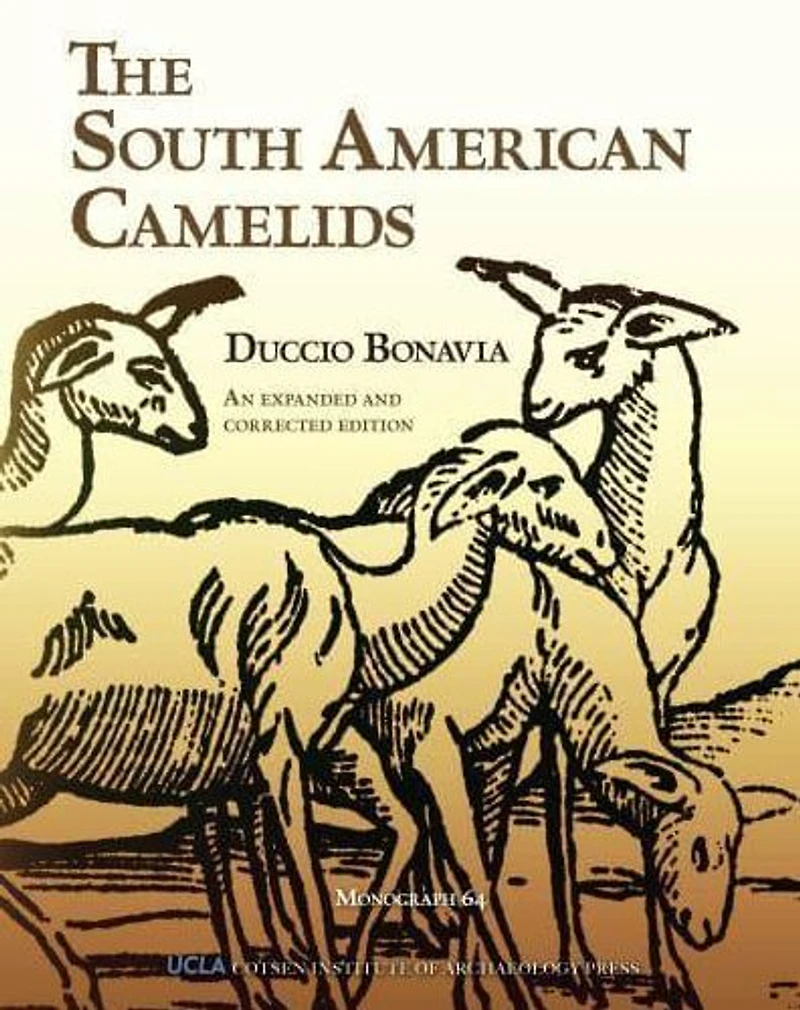

The South American Camelids in Franklin, TN
By Barnes & Noble
Current price: $25.00
Barnes and Noble
The South American Camelids in Franklin, TN
By Barnes & Noble
Current price: $25.00
Loading Inventory...
Size: Hardcover
One of the most significant differences between the New World's major areas of high culture is that Mesoamerica had no beasts of burden and wool, while the Andes had both. Four members of the camelid familywild guanacos and vicunas, and domestic llamas and alpacaswere native to the Andes. South American peoples relied on these animals for meat and wool, and as beasts of burden to transport goods all over the Andes. In this book, Duccio Bonavia tackles major questions about these camelids, from their domestication to their distribution at the time of the Spanish conquest. One of Bonavia's hypotheses is that the arrival of the Europeans and their introduced Old World animals forced the Andean camelids away from the Pacific coast, creating the (mistaken) impression that camelids were exclusively high-altitude animals. Bonavia also addresses the diseases of camelids and their population density, suggesting that the original camelid populations suffered from a different type of mange than that introduced by the Europeans. This new mange, he believes, was one of the causes behind the great morbidity of camelids in Colonial times. In terms of domestication, while Bonavia believes that the major centers must have been the puna zone intermediate zones, he adds that the process should not be seen as restricted to a single environmental zone. Bonavia's landmark study of the South American camelids is now available for the first time in English. This new edition features an updated analysis and comprehensive bibliography. In the Spanish edition of this book, Bonavia lamented the fact that the zooarchaeological data from R. S. Mac Neish's Ayacucho Project had yet to be published. In response, the Ayacucho's Project's faunal analysts, Elizabeth S. Wing and Kent V. Flannery, have added appendices on the Ayacucho results to this English edition. This book will be of broad interest to archaeologists, zoologists, social anthropologists, ethnohistorians, and a wide range of students.
One of the most significant differences between the New World's major areas of high culture is that Mesoamerica had no beasts of burden and wool, while the Andes had both. Four members of the camelid familywild guanacos and vicunas, and domestic llamas and alpacaswere native to the Andes. South American peoples relied on these animals for meat and wool, and as beasts of burden to transport goods all over the Andes. In this book, Duccio Bonavia tackles major questions about these camelids, from their domestication to their distribution at the time of the Spanish conquest. One of Bonavia's hypotheses is that the arrival of the Europeans and their introduced Old World animals forced the Andean camelids away from the Pacific coast, creating the (mistaken) impression that camelids were exclusively high-altitude animals. Bonavia also addresses the diseases of camelids and their population density, suggesting that the original camelid populations suffered from a different type of mange than that introduced by the Europeans. This new mange, he believes, was one of the causes behind the great morbidity of camelids in Colonial times. In terms of domestication, while Bonavia believes that the major centers must have been the puna zone intermediate zones, he adds that the process should not be seen as restricted to a single environmental zone. Bonavia's landmark study of the South American camelids is now available for the first time in English. This new edition features an updated analysis and comprehensive bibliography. In the Spanish edition of this book, Bonavia lamented the fact that the zooarchaeological data from R. S. Mac Neish's Ayacucho Project had yet to be published. In response, the Ayacucho's Project's faunal analysts, Elizabeth S. Wing and Kent V. Flannery, have added appendices on the Ayacucho results to this English edition. This book will be of broad interest to archaeologists, zoologists, social anthropologists, ethnohistorians, and a wide range of students.
You May Also Like










More About Barnes and Noble at CoolSprings Galleria
Barnes & Noble is the world’s largest retail bookseller and a leading retailer of content, digital media and educational products. Our Nook Digital business offers a lineup of NOOK® tablets and e-Readers and an expansive collection of digital reading content through the NOOK Store®. Barnes & Noble’s mission is to operate the best omni-channel specialty retail business in America, helping both our customers and booksellers reach their aspirations, while being a credit to the communities we serve.
1800 Galleria Blvd #1310, Franklin, TN 37067, United States
Find Barnes and Noble at CoolSprings Galleria in Franklin, TN
Visit Barnes and Noble at CoolSprings Galleria in Franklin, TN
