
Home
Thinking on Screen: Film as Philosophy
Barnes and Noble
Loading Inventory...
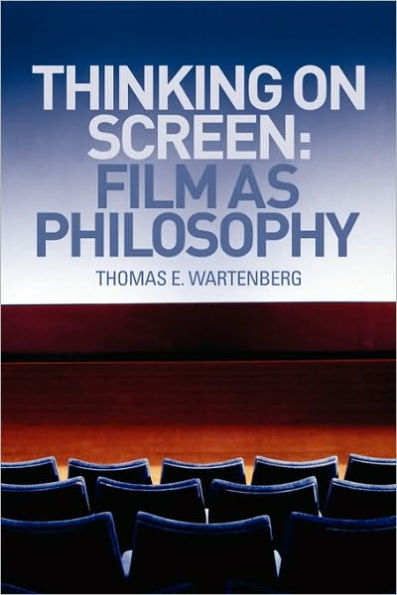
Thinking on Screen: Film as Philosophy in Franklin, TN
Current price: $190.00
Barnes and Noble
Thinking on Screen: Film as Philosophy in Franklin, TN
Current price: $190.00
Loading Inventory...
Size: Hardcover
Thinking on Screen: Film as Philosophy
is an accessible and thought-provoking examination of the way films raise and explore complex philosophical ideas. Written in a clear and engaging style, Thomas Wartenberg examines films’ ability to discuss, and even criticize ideas that have intrigued and puzzled philosophers over the centuries such as the nature of personhood, the basis of morality, and epistemological skepticism.
Beginning with a demonstration of how specific forms of philosophical discourse are presented cinematically, Wartenberg moves on to offer a systematic account of the ways in which specific films undertake the task of philosophy. Focusing on the films
The Man Who Shot Liberty Valance, Modern Times, The Matrix, Eternal Sunshine of the Spotless Mind, The Third Man, The Flicker
, and
Empire
, Wartenberg shows how these films express meaningful and pertinent philosophical ideas.
This book is essential reading for students of philosophy with an interest in film, aesthetics, and film theory. It will also be of interest to film enthusiasts intrigued by the philosophical implications of film.
is an accessible and thought-provoking examination of the way films raise and explore complex philosophical ideas. Written in a clear and engaging style, Thomas Wartenberg examines films’ ability to discuss, and even criticize ideas that have intrigued and puzzled philosophers over the centuries such as the nature of personhood, the basis of morality, and epistemological skepticism.
Beginning with a demonstration of how specific forms of philosophical discourse are presented cinematically, Wartenberg moves on to offer a systematic account of the ways in which specific films undertake the task of philosophy. Focusing on the films
The Man Who Shot Liberty Valance, Modern Times, The Matrix, Eternal Sunshine of the Spotless Mind, The Third Man, The Flicker
, and
Empire
, Wartenberg shows how these films express meaningful and pertinent philosophical ideas.
This book is essential reading for students of philosophy with an interest in film, aesthetics, and film theory. It will also be of interest to film enthusiasts intrigued by the philosophical implications of film.
Thinking on Screen: Film as Philosophy
is an accessible and thought-provoking examination of the way films raise and explore complex philosophical ideas. Written in a clear and engaging style, Thomas Wartenberg examines films’ ability to discuss, and even criticize ideas that have intrigued and puzzled philosophers over the centuries such as the nature of personhood, the basis of morality, and epistemological skepticism.
Beginning with a demonstration of how specific forms of philosophical discourse are presented cinematically, Wartenberg moves on to offer a systematic account of the ways in which specific films undertake the task of philosophy. Focusing on the films
The Man Who Shot Liberty Valance, Modern Times, The Matrix, Eternal Sunshine of the Spotless Mind, The Third Man, The Flicker
, and
Empire
, Wartenberg shows how these films express meaningful and pertinent philosophical ideas.
This book is essential reading for students of philosophy with an interest in film, aesthetics, and film theory. It will also be of interest to film enthusiasts intrigued by the philosophical implications of film.
is an accessible and thought-provoking examination of the way films raise and explore complex philosophical ideas. Written in a clear and engaging style, Thomas Wartenberg examines films’ ability to discuss, and even criticize ideas that have intrigued and puzzled philosophers over the centuries such as the nature of personhood, the basis of morality, and epistemological skepticism.
Beginning with a demonstration of how specific forms of philosophical discourse are presented cinematically, Wartenberg moves on to offer a systematic account of the ways in which specific films undertake the task of philosophy. Focusing on the films
The Man Who Shot Liberty Valance, Modern Times, The Matrix, Eternal Sunshine of the Spotless Mind, The Third Man, The Flicker
, and
Empire
, Wartenberg shows how these films express meaningful and pertinent philosophical ideas.
This book is essential reading for students of philosophy with an interest in film, aesthetics, and film theory. It will also be of interest to film enthusiasts intrigued by the philosophical implications of film.
You May Also Like











More About Barnes and Noble at CoolSprings Galleria
Barnes & Noble is the world’s largest retail bookseller and a leading retailer of content, digital media and educational products. Our Nook Digital business offers a lineup of NOOK® tablets and e-Readers and an expansive collection of digital reading content through the NOOK Store®. Barnes & Noble’s mission is to operate the best omni-channel specialty retail business in America, helping both our customers and booksellers reach their aspirations, while being a credit to the communities we serve.
1800 Galleria Blvd #1310, Franklin, TN 37067, United States
Find Barnes and Noble at CoolSprings Galleria in Franklin, TN
Visit Barnes and Noble at CoolSprings Galleria in Franklin, TN
