
Home
Titanic Calls SOS
Barnes and Noble
Loading Inventory...
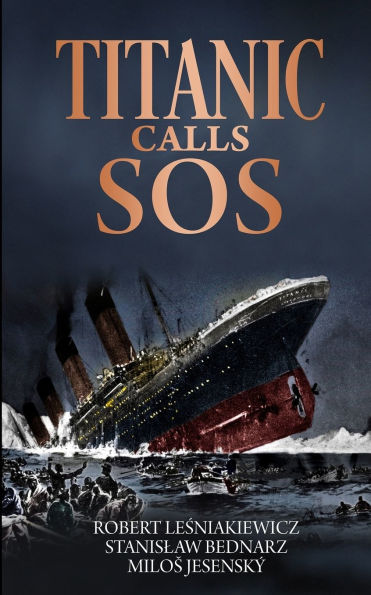
Titanic Calls SOS in Franklin, TN
Current price: $27.99
Barnes and Noble
Titanic Calls SOS in Franklin, TN
Current price: $27.99
Loading Inventory...
Size: OS
The Titanic serves as a powerful symbol of early 20th-century innovation and luxury, capturing the imagination of a society eager for progress. Its maiden voyage in April 1912 was set against a backdrop of fascination with speed and opulence in maritime travel. The ship was constructed in Belfast, showcasing remarkable technological advancements and a vision brought to life by its creators, including J. Bruce Ismay and Thomas Andrews. Designed to be the largest and most luxurious ocean liner of its time, the Titanic promised an unparalleled experience for its passengers.
As the Titanic departed from Southampton, the atmosphere on board was one of excitement and anticipation. Notable passengers included prominent figures from various social classes, highlighting the stark distinctions that characterized life aboard the ship. The dynamics among first-class, second-class, and third-class passengers painted a vivid picture of early 20th-century society.
The voyage began smoothly, but warnings about icebergs were received as the ship sailed through the North Atlantic. Despite these alerts, the Titanic continued on its course, reflecting the era's overconfidence in technological prowess. The fateful night of April 14, 1912, brought disaster when the ship struck an iceberg, leading to immediate chaos as the crew and passengers grappled with the implications of the collision.
As the Titanic began to sink, panic ensued. Survivors later recounted harrowing experiences, revealing both the confusion and acts of heroism that occurred during the evacuation. The emotional and psychological toll on those who survived, and the families of victims was profound, further complicating the aftermath of the tragedy.
In response to the disaster, significant changes were made to maritime laws and safety regulations, aiming to prevent such a catastrophe in the future. The legacy of the Titanic endures, permeating popular culture and serving as a reminder of the limits of human ingenuity and the dangers of hubris. Ultimately, the tragedy of the Titanic stands as a cautionary tale, reflecting on the societal impact of a disaster that continues to resonate with audiences today.
As the Titanic departed from Southampton, the atmosphere on board was one of excitement and anticipation. Notable passengers included prominent figures from various social classes, highlighting the stark distinctions that characterized life aboard the ship. The dynamics among first-class, second-class, and third-class passengers painted a vivid picture of early 20th-century society.
The voyage began smoothly, but warnings about icebergs were received as the ship sailed through the North Atlantic. Despite these alerts, the Titanic continued on its course, reflecting the era's overconfidence in technological prowess. The fateful night of April 14, 1912, brought disaster when the ship struck an iceberg, leading to immediate chaos as the crew and passengers grappled with the implications of the collision.
As the Titanic began to sink, panic ensued. Survivors later recounted harrowing experiences, revealing both the confusion and acts of heroism that occurred during the evacuation. The emotional and psychological toll on those who survived, and the families of victims was profound, further complicating the aftermath of the tragedy.
In response to the disaster, significant changes were made to maritime laws and safety regulations, aiming to prevent such a catastrophe in the future. The legacy of the Titanic endures, permeating popular culture and serving as a reminder of the limits of human ingenuity and the dangers of hubris. Ultimately, the tragedy of the Titanic stands as a cautionary tale, reflecting on the societal impact of a disaster that continues to resonate with audiences today.
The Titanic serves as a powerful symbol of early 20th-century innovation and luxury, capturing the imagination of a society eager for progress. Its maiden voyage in April 1912 was set against a backdrop of fascination with speed and opulence in maritime travel. The ship was constructed in Belfast, showcasing remarkable technological advancements and a vision brought to life by its creators, including J. Bruce Ismay and Thomas Andrews. Designed to be the largest and most luxurious ocean liner of its time, the Titanic promised an unparalleled experience for its passengers.
As the Titanic departed from Southampton, the atmosphere on board was one of excitement and anticipation. Notable passengers included prominent figures from various social classes, highlighting the stark distinctions that characterized life aboard the ship. The dynamics among first-class, second-class, and third-class passengers painted a vivid picture of early 20th-century society.
The voyage began smoothly, but warnings about icebergs were received as the ship sailed through the North Atlantic. Despite these alerts, the Titanic continued on its course, reflecting the era's overconfidence in technological prowess. The fateful night of April 14, 1912, brought disaster when the ship struck an iceberg, leading to immediate chaos as the crew and passengers grappled with the implications of the collision.
As the Titanic began to sink, panic ensued. Survivors later recounted harrowing experiences, revealing both the confusion and acts of heroism that occurred during the evacuation. The emotional and psychological toll on those who survived, and the families of victims was profound, further complicating the aftermath of the tragedy.
In response to the disaster, significant changes were made to maritime laws and safety regulations, aiming to prevent such a catastrophe in the future. The legacy of the Titanic endures, permeating popular culture and serving as a reminder of the limits of human ingenuity and the dangers of hubris. Ultimately, the tragedy of the Titanic stands as a cautionary tale, reflecting on the societal impact of a disaster that continues to resonate with audiences today.
As the Titanic departed from Southampton, the atmosphere on board was one of excitement and anticipation. Notable passengers included prominent figures from various social classes, highlighting the stark distinctions that characterized life aboard the ship. The dynamics among first-class, second-class, and third-class passengers painted a vivid picture of early 20th-century society.
The voyage began smoothly, but warnings about icebergs were received as the ship sailed through the North Atlantic. Despite these alerts, the Titanic continued on its course, reflecting the era's overconfidence in technological prowess. The fateful night of April 14, 1912, brought disaster when the ship struck an iceberg, leading to immediate chaos as the crew and passengers grappled with the implications of the collision.
As the Titanic began to sink, panic ensued. Survivors later recounted harrowing experiences, revealing both the confusion and acts of heroism that occurred during the evacuation. The emotional and psychological toll on those who survived, and the families of victims was profound, further complicating the aftermath of the tragedy.
In response to the disaster, significant changes were made to maritime laws and safety regulations, aiming to prevent such a catastrophe in the future. The legacy of the Titanic endures, permeating popular culture and serving as a reminder of the limits of human ingenuity and the dangers of hubris. Ultimately, the tragedy of the Titanic stands as a cautionary tale, reflecting on the societal impact of a disaster that continues to resonate with audiences today.
You May Also Like


![As It Ever Was, So Will Be Again [Opaque Olive Green Vinyl] [Barnes & Noble Exclusive]](https://prodimage.images-bn.com/pimages/0691835874234_p0_v3_s600x595.jpg)










More About Barnes and Noble at CoolSprings Galleria
Barnes & Noble is the world’s largest retail bookseller and a leading retailer of content, digital media and educational products. Our Nook Digital business offers a lineup of NOOK® tablets and e-Readers and an expansive collection of digital reading content through the NOOK Store®. Barnes & Noble’s mission is to operate the best omni-channel specialty retail business in America, helping both our customers and booksellers reach their aspirations, while being a credit to the communities we serve.
1800 Galleria Blvd #1310, Franklin, TN 37067, United States
Find Barnes and Noble at CoolSprings Galleria in Franklin, TN
Visit Barnes and Noble at CoolSprings Galleria in Franklin, TN
