
Home
Una historia de la inteligencia
Barnes and Noble
Loading Inventory...
Una historia de la inteligencia in Franklin, TN
Current price: $27.95
Barnes and Noble
Una historia de la inteligencia in Franklin, TN
Current price: $27.95
Loading Inventory...
Size: OS
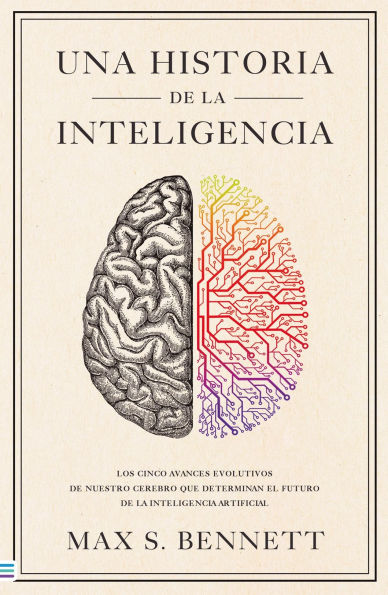
En la última década, las capacidades de la IA que durante mucho tiempo habían sido exclusivas del ámbito de la ciencia ficción se han convertido en nuestra realidad. La IA ahora es capaz de producir arte original, identificar tumores en imágenes e incluso conducir nuestros coches. Sin embargo, siguen existiendo grandes deficiencias y todavía no pueden replicar algunas proezas intelectuales que los cerebros humanos realizan con facilidad. ¿Cómo es posible que la IA pueda vencer a un gran maestro de ajedrez, pero no pueda cargar un lavavajillas de manera efectiva? Encontrar la respuesta requiere adentrarse en los mil millones de años de historia de la evolución del cerebro humano; una historia llena de innumerables fracasos, calamidades e innovaciones. Nuestros cerebros no solo tienen una historia que contar, sino que el futuro de la IA puede depender de ello. Con una nueva perspectiva, Bennett consolida esta historia en un nuevo marco accesible al identificar los cinco «avances» que marcan los logros evolutivos más importantes del cerebro. Y plantea que, hasta que los sistemas de IA no repliquen con éxito cada parte del largo viaje de nuestro cerebro, no podrán exhibir una inteligencia similar a la humana. Respaldado y elogiado por los mejores neurocientíficos del sector, el trabajo de Bennett sintetiza el conocimiento científico más relevante y su investigación innovadora en una historia evolutiva fascinante y fácil de entender, y prueba que comprender el arco de la historia de nuestro cerebro puede desbloquear las herramientas necesarias para navegar con éxito nuestro futuro tecnológico.
Over the past decade, AI capabilities that had long been the preserve of science fiction have become our reality. AI is now capable of producing original art, identifying tumors in images, and even driving our cars. However, major shortcomings remain, and it still can’t replicate some intellectual feats that human brains perform with ease. How is it that AI can beat a chess grandmaster, but can’t effectively load a dishwasher? Finding the answer requires delving into the billion-year history of human brain evolution—a history filled with countless failures, calamities, and innovations. Not only do our brains have a story to tell, but the future of AI may depend on it. With a fresh perspective, Bennett consolidates this story into an accessible new framework by identifying the five “breakthroughs” that mark the brain’s most important evolutionary achievements. He argues that until AI systems successfully replicate every part of our brain’s long journey, they won’t be able to exhibit human-like intelligence. Endorsed and praised by the industry’s top neuroscientists, Bennett’s work distills the most relevant scientific knowledge and groundbreaking research into a fascinating and easy-to-understand evolutionary story, proving that understanding the arc of our brain’s history can unlock the tools needed to successfully navigate our technological future.
Over the past decade, AI capabilities that had long been the preserve of science fiction have become our reality. AI is now capable of producing original art, identifying tumors in images, and even driving our cars. However, major shortcomings remain, and it still can’t replicate some intellectual feats that human brains perform with ease. How is it that AI can beat a chess grandmaster, but can’t effectively load a dishwasher? Finding the answer requires delving into the billion-year history of human brain evolution—a history filled with countless failures, calamities, and innovations. Not only do our brains have a story to tell, but the future of AI may depend on it. With a fresh perspective, Bennett consolidates this story into an accessible new framework by identifying the five “breakthroughs” that mark the brain’s most important evolutionary achievements. He argues that until AI systems successfully replicate every part of our brain’s long journey, they won’t be able to exhibit human-like intelligence. Endorsed and praised by the industry’s top neuroscientists, Bennett’s work distills the most relevant scientific knowledge and groundbreaking research into a fascinating and easy-to-understand evolutionary story, proving that understanding the arc of our brain’s history can unlock the tools needed to successfully navigate our technological future.
En la última década, las capacidades de la IA que durante mucho tiempo habían sido exclusivas del ámbito de la ciencia ficción se han convertido en nuestra realidad. La IA ahora es capaz de producir arte original, identificar tumores en imágenes e incluso conducir nuestros coches. Sin embargo, siguen existiendo grandes deficiencias y todavía no pueden replicar algunas proezas intelectuales que los cerebros humanos realizan con facilidad. ¿Cómo es posible que la IA pueda vencer a un gran maestro de ajedrez, pero no pueda cargar un lavavajillas de manera efectiva? Encontrar la respuesta requiere adentrarse en los mil millones de años de historia de la evolución del cerebro humano; una historia llena de innumerables fracasos, calamidades e innovaciones. Nuestros cerebros no solo tienen una historia que contar, sino que el futuro de la IA puede depender de ello. Con una nueva perspectiva, Bennett consolida esta historia en un nuevo marco accesible al identificar los cinco «avances» que marcan los logros evolutivos más importantes del cerebro. Y plantea que, hasta que los sistemas de IA no repliquen con éxito cada parte del largo viaje de nuestro cerebro, no podrán exhibir una inteligencia similar a la humana. Respaldado y elogiado por los mejores neurocientíficos del sector, el trabajo de Bennett sintetiza el conocimiento científico más relevante y su investigación innovadora en una historia evolutiva fascinante y fácil de entender, y prueba que comprender el arco de la historia de nuestro cerebro puede desbloquear las herramientas necesarias para navegar con éxito nuestro futuro tecnológico.
Over the past decade, AI capabilities that had long been the preserve of science fiction have become our reality. AI is now capable of producing original art, identifying tumors in images, and even driving our cars. However, major shortcomings remain, and it still can’t replicate some intellectual feats that human brains perform with ease. How is it that AI can beat a chess grandmaster, but can’t effectively load a dishwasher? Finding the answer requires delving into the billion-year history of human brain evolution—a history filled with countless failures, calamities, and innovations. Not only do our brains have a story to tell, but the future of AI may depend on it. With a fresh perspective, Bennett consolidates this story into an accessible new framework by identifying the five “breakthroughs” that mark the brain’s most important evolutionary achievements. He argues that until AI systems successfully replicate every part of our brain’s long journey, they won’t be able to exhibit human-like intelligence. Endorsed and praised by the industry’s top neuroscientists, Bennett’s work distills the most relevant scientific knowledge and groundbreaking research into a fascinating and easy-to-understand evolutionary story, proving that understanding the arc of our brain’s history can unlock the tools needed to successfully navigate our technological future.
Over the past decade, AI capabilities that had long been the preserve of science fiction have become our reality. AI is now capable of producing original art, identifying tumors in images, and even driving our cars. However, major shortcomings remain, and it still can’t replicate some intellectual feats that human brains perform with ease. How is it that AI can beat a chess grandmaster, but can’t effectively load a dishwasher? Finding the answer requires delving into the billion-year history of human brain evolution—a history filled with countless failures, calamities, and innovations. Not only do our brains have a story to tell, but the future of AI may depend on it. With a fresh perspective, Bennett consolidates this story into an accessible new framework by identifying the five “breakthroughs” that mark the brain’s most important evolutionary achievements. He argues that until AI systems successfully replicate every part of our brain’s long journey, they won’t be able to exhibit human-like intelligence. Endorsed and praised by the industry’s top neuroscientists, Bennett’s work distills the most relevant scientific knowledge and groundbreaking research into a fascinating and easy-to-understand evolutionary story, proving that understanding the arc of our brain’s history can unlock the tools needed to successfully navigate our technological future.
You May Also Like

















More About Barnes and Noble at CoolSprings Galleria
Barnes & Noble is the world’s largest retail bookseller and a leading retailer of content, digital media and educational products. Our Nook Digital business offers a lineup of NOOK® tablets and e-Readers and an expansive collection of digital reading content through the NOOK Store®. Barnes & Noble’s mission is to operate the best omni-channel specialty retail business in America, helping both our customers and booksellers reach their aspirations, while being a credit to the communities we serve.
1800 Galleria Blvd #1310, Franklin, TN 37067, United States
Find Barnes and Noble at CoolSprings Galleria in Franklin, TN
Visit Barnes and Noble at CoolSprings Galleria in Franklin, TN
