
Home
Urban Heat Mitigation Strategies: An Architecture Perspective
Barnes and Noble
Loading Inventory...
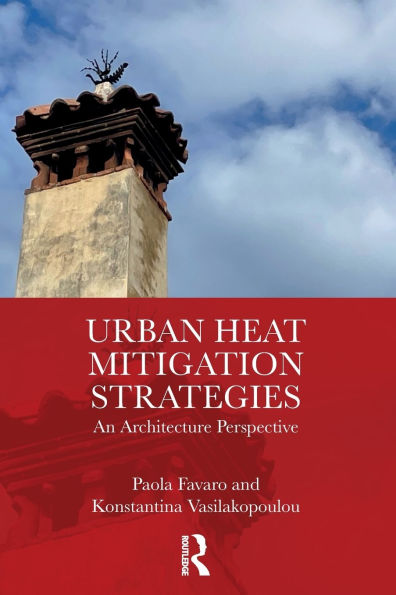
Urban Heat Mitigation Strategies: An Architecture Perspective in Franklin, TN
Current price: $150.00
Barnes and Noble
Urban Heat Mitigation Strategies: An Architecture Perspective in Franklin, TN
Current price: $150.00
Loading Inventory...
Size: Hardcover
Urban Heat Mitigation Strategies: An Architecture Perspective
explores heat mitigation strategies integrated into the urban architecture of global cities, aiming to enhance citizens’ quality of life through thoughtful design decisions blending architecture, science and engineering. The projects examined exemplify top-tier approaches in architecture, urban planning, landscape design and engineering across diverse city precincts worldwide. Inspired by architect and urban designer Lewis Mumford’s 1970s call for urban spaces that support citizens, these initiatives focus not just on aesthetics but also on effective social and climate change mitigation strategies.
Featuring international urban projects recognised for both architectural significance and improved thermal comfort, this book examines the various heat mitigation strategies in major urban projects using architectural and engineering methodologies. Combining architectural formal/critical analysis with engineering performance modelling, the authors offer qualitative and quantitative assessments of each urban project. These projects showcase best practices utilising elements such as water, materials, vegetation and canopy to mitigate heat and promote civic life. Originally intended for aesthetics and social functionality, these strategies now serve as benchmarks for creating thermally comfortable public spaces globally.
Relevant to architects, city planners, landscape designers and engineers,
promotes successful collaboration among built environment professionals to address climate concerns and create liveable, comfortable urban spaces.
explores heat mitigation strategies integrated into the urban architecture of global cities, aiming to enhance citizens’ quality of life through thoughtful design decisions blending architecture, science and engineering. The projects examined exemplify top-tier approaches in architecture, urban planning, landscape design and engineering across diverse city precincts worldwide. Inspired by architect and urban designer Lewis Mumford’s 1970s call for urban spaces that support citizens, these initiatives focus not just on aesthetics but also on effective social and climate change mitigation strategies.
Featuring international urban projects recognised for both architectural significance and improved thermal comfort, this book examines the various heat mitigation strategies in major urban projects using architectural and engineering methodologies. Combining architectural formal/critical analysis with engineering performance modelling, the authors offer qualitative and quantitative assessments of each urban project. These projects showcase best practices utilising elements such as water, materials, vegetation and canopy to mitigate heat and promote civic life. Originally intended for aesthetics and social functionality, these strategies now serve as benchmarks for creating thermally comfortable public spaces globally.
Relevant to architects, city planners, landscape designers and engineers,
promotes successful collaboration among built environment professionals to address climate concerns and create liveable, comfortable urban spaces.
Urban Heat Mitigation Strategies: An Architecture Perspective
explores heat mitigation strategies integrated into the urban architecture of global cities, aiming to enhance citizens’ quality of life through thoughtful design decisions blending architecture, science and engineering. The projects examined exemplify top-tier approaches in architecture, urban planning, landscape design and engineering across diverse city precincts worldwide. Inspired by architect and urban designer Lewis Mumford’s 1970s call for urban spaces that support citizens, these initiatives focus not just on aesthetics but also on effective social and climate change mitigation strategies.
Featuring international urban projects recognised for both architectural significance and improved thermal comfort, this book examines the various heat mitigation strategies in major urban projects using architectural and engineering methodologies. Combining architectural formal/critical analysis with engineering performance modelling, the authors offer qualitative and quantitative assessments of each urban project. These projects showcase best practices utilising elements such as water, materials, vegetation and canopy to mitigate heat and promote civic life. Originally intended for aesthetics and social functionality, these strategies now serve as benchmarks for creating thermally comfortable public spaces globally.
Relevant to architects, city planners, landscape designers and engineers,
promotes successful collaboration among built environment professionals to address climate concerns and create liveable, comfortable urban spaces.
explores heat mitigation strategies integrated into the urban architecture of global cities, aiming to enhance citizens’ quality of life through thoughtful design decisions blending architecture, science and engineering. The projects examined exemplify top-tier approaches in architecture, urban planning, landscape design and engineering across diverse city precincts worldwide. Inspired by architect and urban designer Lewis Mumford’s 1970s call for urban spaces that support citizens, these initiatives focus not just on aesthetics but also on effective social and climate change mitigation strategies.
Featuring international urban projects recognised for both architectural significance and improved thermal comfort, this book examines the various heat mitigation strategies in major urban projects using architectural and engineering methodologies. Combining architectural formal/critical analysis with engineering performance modelling, the authors offer qualitative and quantitative assessments of each urban project. These projects showcase best practices utilising elements such as water, materials, vegetation and canopy to mitigate heat and promote civic life. Originally intended for aesthetics and social functionality, these strategies now serve as benchmarks for creating thermally comfortable public spaces globally.
Relevant to architects, city planners, landscape designers and engineers,
promotes successful collaboration among built environment professionals to address climate concerns and create liveable, comfortable urban spaces.
You May Also Like













More About Barnes and Noble at CoolSprings Galleria
Barnes & Noble is the world’s largest retail bookseller and a leading retailer of content, digital media and educational products. Our Nook Digital business offers a lineup of NOOK® tablets and e-Readers and an expansive collection of digital reading content through the NOOK Store®. Barnes & Noble’s mission is to operate the best omni-channel specialty retail business in America, helping both our customers and booksellers reach their aspirations, while being a credit to the communities we serve.
1800 Galleria Blvd #1310, Franklin, TN 37067, United States
Find Barnes and Noble at CoolSprings Galleria in Franklin, TN
Visit Barnes and Noble at CoolSprings Galleria in Franklin, TN
