
Home
US public diplomacy socialist Yugoslavia, 1950-70: Soft culture, cold partners
Barnes and Noble
Loading Inventory...
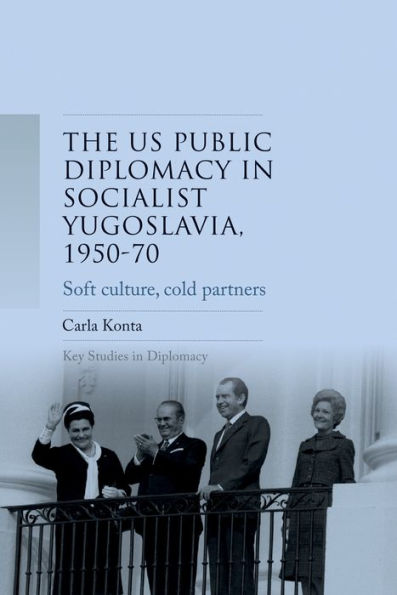
US public diplomacy socialist Yugoslavia, 1950-70: Soft culture, cold partners in Franklin, TN
Current price: $130.00
Barnes and Noble
US public diplomacy socialist Yugoslavia, 1950-70: Soft culture, cold partners in Franklin, TN
Current price: $130.00
Loading Inventory...
Size: Hardcover
The first comprehensive account of the public and cultural diplomacy campaigns carried out by the US in Yugoslavia during the height of the Cold War, this book examines the political role of culture in USYugoslav bilateral relations and the fluid links between information and propaganda. Tito allowed the US Information Agency and the State Department’s cultural programmes to enter Yugoslavia, liberated from Soviet control. The exchange of intellectual and political personnel helped foster the USYugoslav relationship, yet it posed severe ideological challenges for both sides.
By providing new insights into porous borders between freedom and coercion in Tito’s regime, this book shows how public diplomacy acted as an external input for Yugoslav liberalisation and dissident movements. Using extensive archival research and interviews, Konta analyses the links between information and propaganda, and the unintended effects of propaganda beyond the control of producers and receivers.
By providing new insights into porous borders between freedom and coercion in Tito’s regime, this book shows how public diplomacy acted as an external input for Yugoslav liberalisation and dissident movements. Using extensive archival research and interviews, Konta analyses the links between information and propaganda, and the unintended effects of propaganda beyond the control of producers and receivers.
The first comprehensive account of the public and cultural diplomacy campaigns carried out by the US in Yugoslavia during the height of the Cold War, this book examines the political role of culture in USYugoslav bilateral relations and the fluid links between information and propaganda. Tito allowed the US Information Agency and the State Department’s cultural programmes to enter Yugoslavia, liberated from Soviet control. The exchange of intellectual and political personnel helped foster the USYugoslav relationship, yet it posed severe ideological challenges for both sides.
By providing new insights into porous borders between freedom and coercion in Tito’s regime, this book shows how public diplomacy acted as an external input for Yugoslav liberalisation and dissident movements. Using extensive archival research and interviews, Konta analyses the links between information and propaganda, and the unintended effects of propaganda beyond the control of producers and receivers.
By providing new insights into porous borders between freedom and coercion in Tito’s regime, this book shows how public diplomacy acted as an external input for Yugoslav liberalisation and dissident movements. Using extensive archival research and interviews, Konta analyses the links between information and propaganda, and the unintended effects of propaganda beyond the control of producers and receivers.
You May Also Like
















More About Barnes and Noble at CoolSprings Galleria
Barnes & Noble is the world’s largest retail bookseller and a leading retailer of content, digital media and educational products. Our Nook Digital business offers a lineup of NOOK® tablets and e-Readers and an expansive collection of digital reading content through the NOOK Store®. Barnes & Noble’s mission is to operate the best omni-channel specialty retail business in America, helping both our customers and booksellers reach their aspirations, while being a credit to the communities we serve.
1800 Galleria Blvd #1310, Franklin, TN 37067, United States
Find Barnes and Noble at CoolSprings Galleria in Franklin, TN
Visit Barnes and Noble at CoolSprings Galleria in Franklin, TN
