
Home
Using Grounded Theory: How to Develop Theory for Managed Change
Barnes and Noble
Loading Inventory...
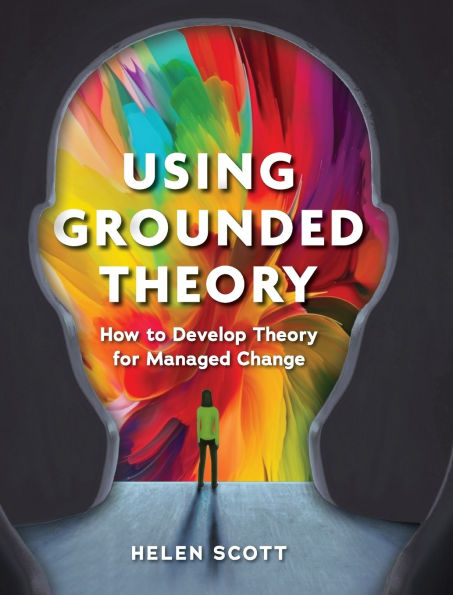
Using Grounded Theory: How to Develop Theory for Managed Change in Franklin, TN
Current price: $59.99
Barnes and Noble
Using Grounded Theory: How to Develop Theory for Managed Change in Franklin, TN
Current price: $59.99
Loading Inventory...
Size: OS
Popular with interpretivist, critical realist and post-positivist researchers, the grounded theory research method is used in psychology, healthcare, business, management and leadership, education, sociology and more. Researchers using this method tend to want to understand what is going on for a group of people in an area of interest and often seek to provide practical recommendations for targeted and impactful change.
Using grounded theory
offers practical guidance on generating grounded theory using qualitative data, and is enriched by the many examples of Helen's mentees and peers who share their strategies for addressing common challenges of doing grounded theory. It
will be valuable for post-graduate researchers, supervisors, professors, lecturers, and professionals in qualitative research.
Using grounded theory
offers practical guidance on generating grounded theory using qualitative data, and is enriched by the many examples of Helen's mentees and peers who share their strategies for addressing common challenges of doing grounded theory. It
will be valuable for post-graduate researchers, supervisors, professors, lecturers, and professionals in qualitative research.
Popular with interpretivist, critical realist and post-positivist researchers, the grounded theory research method is used in psychology, healthcare, business, management and leadership, education, sociology and more. Researchers using this method tend to want to understand what is going on for a group of people in an area of interest and often seek to provide practical recommendations for targeted and impactful change.
Using grounded theory
offers practical guidance on generating grounded theory using qualitative data, and is enriched by the many examples of Helen's mentees and peers who share their strategies for addressing common challenges of doing grounded theory. It
will be valuable for post-graduate researchers, supervisors, professors, lecturers, and professionals in qualitative research.
Using grounded theory
offers practical guidance on generating grounded theory using qualitative data, and is enriched by the many examples of Helen's mentees and peers who share their strategies for addressing common challenges of doing grounded theory. It
will be valuable for post-graduate researchers, supervisors, professors, lecturers, and professionals in qualitative research.
You May Also Like















More About Barnes and Noble at CoolSprings Galleria
Barnes & Noble is the world’s largest retail bookseller and a leading retailer of content, digital media and educational products. Our Nook Digital business offers a lineup of NOOK® tablets and e-Readers and an expansive collection of digital reading content through the NOOK Store®. Barnes & Noble’s mission is to operate the best omni-channel specialty retail business in America, helping both our customers and booksellers reach their aspirations, while being a credit to the communities we serve.
1800 Galleria Blvd #1310, Franklin, TN 37067, United States
Find Barnes and Noble at CoolSprings Galleria in Franklin, TN
Visit Barnes and Noble at CoolSprings Galleria in Franklin, TN
