
Home
When Sin Stops
Barnes and Noble
Loading Inventory...
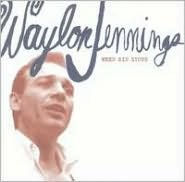
When Sin Stops in Franklin, TN
Current price: $9.99
Barnes and Noble
When Sin Stops in Franklin, TN
Current price: $9.99
Loading Inventory...
Size: OS
It's easy to forget that most singers have to start from somewhere, and that their style was only achieved after lots of sweat in low paying dives.
Waylon Jennings
is a case in point. As one of
country
music's outlaws during the '70s, he was known for his resonate, manly vocals, delivered against a phase shifter-driven electric guitar backdrop (
"Are You Sure Hank Done It This Way,"
"Clyde"
). To travel back to the early '60s, as
When Sin Stops
does, is as revealing as it is bizarre. Even when listening to
Jennings
' '60s work on
RCA
, it was plain that nobody -- record executive
Chet Atkins
or
himself -- really understood his talent. This is equally clear on
, an album that contains
' first recordings and a few other oddities originally released on
Waylon at JD's
. The problem isn't that these recordings are bad (though the sound quality is pretty rough), but that no one had figured out how to make
stand out from every other singer on the make. Nor had they figured out that certain songs,
"Big Mamou"
and
"Dream Baby,"
sounded kind of silly when
tore into them. It doesn't help that the tempos are often too fast. Still,
, while somewhat weak in the musical department, provides a nice snapshot of the young man who, in time, would become
. That alone makes it worth the price of admission. ~ Ronnie D. Lankford, Jr.
Waylon Jennings
is a case in point. As one of
country
music's outlaws during the '70s, he was known for his resonate, manly vocals, delivered against a phase shifter-driven electric guitar backdrop (
"Are You Sure Hank Done It This Way,"
"Clyde"
). To travel back to the early '60s, as
When Sin Stops
does, is as revealing as it is bizarre. Even when listening to
Jennings
' '60s work on
RCA
, it was plain that nobody -- record executive
Chet Atkins
or
himself -- really understood his talent. This is equally clear on
, an album that contains
' first recordings and a few other oddities originally released on
Waylon at JD's
. The problem isn't that these recordings are bad (though the sound quality is pretty rough), but that no one had figured out how to make
stand out from every other singer on the make. Nor had they figured out that certain songs,
"Big Mamou"
and
"Dream Baby,"
sounded kind of silly when
tore into them. It doesn't help that the tempos are often too fast. Still,
, while somewhat weak in the musical department, provides a nice snapshot of the young man who, in time, would become
. That alone makes it worth the price of admission. ~ Ronnie D. Lankford, Jr.
It's easy to forget that most singers have to start from somewhere, and that their style was only achieved after lots of sweat in low paying dives.
Waylon Jennings
is a case in point. As one of
country
music's outlaws during the '70s, he was known for his resonate, manly vocals, delivered against a phase shifter-driven electric guitar backdrop (
"Are You Sure Hank Done It This Way,"
"Clyde"
). To travel back to the early '60s, as
When Sin Stops
does, is as revealing as it is bizarre. Even when listening to
Jennings
' '60s work on
RCA
, it was plain that nobody -- record executive
Chet Atkins
or
himself -- really understood his talent. This is equally clear on
, an album that contains
' first recordings and a few other oddities originally released on
Waylon at JD's
. The problem isn't that these recordings are bad (though the sound quality is pretty rough), but that no one had figured out how to make
stand out from every other singer on the make. Nor had they figured out that certain songs,
"Big Mamou"
and
"Dream Baby,"
sounded kind of silly when
tore into them. It doesn't help that the tempos are often too fast. Still,
, while somewhat weak in the musical department, provides a nice snapshot of the young man who, in time, would become
. That alone makes it worth the price of admission. ~ Ronnie D. Lankford, Jr.
Waylon Jennings
is a case in point. As one of
country
music's outlaws during the '70s, he was known for his resonate, manly vocals, delivered against a phase shifter-driven electric guitar backdrop (
"Are You Sure Hank Done It This Way,"
"Clyde"
). To travel back to the early '60s, as
When Sin Stops
does, is as revealing as it is bizarre. Even when listening to
Jennings
' '60s work on
RCA
, it was plain that nobody -- record executive
Chet Atkins
or
himself -- really understood his talent. This is equally clear on
, an album that contains
' first recordings and a few other oddities originally released on
Waylon at JD's
. The problem isn't that these recordings are bad (though the sound quality is pretty rough), but that no one had figured out how to make
stand out from every other singer on the make. Nor had they figured out that certain songs,
"Big Mamou"
and
"Dream Baby,"
sounded kind of silly when
tore into them. It doesn't help that the tempos are often too fast. Still,
, while somewhat weak in the musical department, provides a nice snapshot of the young man who, in time, would become
. That alone makes it worth the price of admission. ~ Ronnie D. Lankford, Jr.
You May Also Like















More About Barnes and Noble at CoolSprings Galleria
Barnes & Noble is the world’s largest retail bookseller and a leading retailer of content, digital media and educational products. Our Nook Digital business offers a lineup of NOOK® tablets and e-Readers and an expansive collection of digital reading content through the NOOK Store®. Barnes & Noble’s mission is to operate the best omni-channel specialty retail business in America, helping both our customers and booksellers reach their aspirations, while being a credit to the communities we serve.
1800 Galleria Blvd #1310, Franklin, TN 37067, United States
Find Barnes and Noble at CoolSprings Galleria in Franklin, TN
Visit Barnes and Noble at CoolSprings Galleria in Franklin, TN
