Home
Where We Lived: Essays on Places
Barnes and Noble
Loading Inventory...
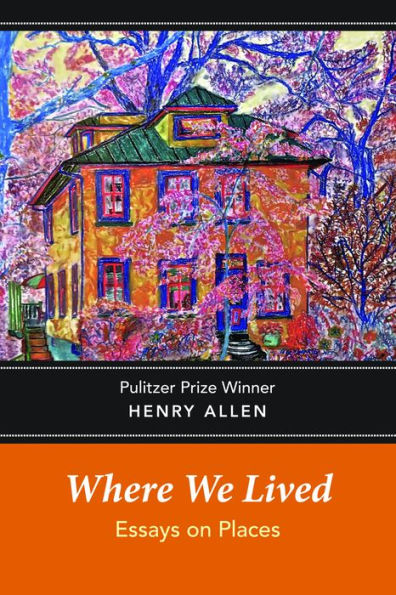
Where We Lived: Essays on Places in Franklin, TN
Current price: $16.95
Barnes and Noble
Where We Lived: Essays on Places in Franklin, TN
Current price: $16.95
Loading Inventory...
Size: OS
“Henry Allen is the truest chronicler of our American dream. By taking us into the homes of his history, he reveals our own lives in shafts of sunlit prose streaming through the windows of time and place.”—James Grady, author of
Six Days of the Condor
“I loved the book.”—Ann Beattie, author of
Mrs. Nixon: A Novelist Imagines a Life
and
The State We’re In: Maine Stories
“Henry Allen, one of the best deadline essayists in the business.”—Christopher Buckley, author of
Thank You for Smoking
Pulitzer Prize-winner Henry Allen brings alive nearly five centuries of family by describing places where they lived—from plantations in South Carolina and Guadeloupe to a boarding house in Queens; a sadly grand old house in Orange, New Jersey; farmhouses, mansions, apartments, ships, tents, and dormitories; towns in Rhode Island and Connecticut. He vividly describes his family’s historical journey through Indian wars, a witchcraft trial, privateering, wagon trains, a split over slave trading, the friendship of presidents, the dwindling of the old Anglo-Saxon hegemony, and the heartless mysteries of money, alcohol, and gentility.
I feared my children and their children would never know about the lost worlds of our family—love, moral stands, disappointment, Christmas dinners, the ancient and ordinary sunlight that transported us like aliens from galaxies of the past. These galaxies not only existed but persisted despite the apathy of their inheritors. Consider this book a last will and testament, an attempt to stave off the probate of oblivion.
Intense, mercurial, and bearded,
Henry Allen
is a Marine veteran of Vietnam and was a feature writer and art critic at
The Washington Post
from 1970 to 2009. His books include
Going Too Far Enough: American Culture at Century’s End
,
What It Felt Like: Living in the American Century
Fool’s Mercy
, and
The Museum of Light Air
.
Six Days of the Condor
“I loved the book.”—Ann Beattie, author of
Mrs. Nixon: A Novelist Imagines a Life
and
The State We’re In: Maine Stories
“Henry Allen, one of the best deadline essayists in the business.”—Christopher Buckley, author of
Thank You for Smoking
Pulitzer Prize-winner Henry Allen brings alive nearly five centuries of family by describing places where they lived—from plantations in South Carolina and Guadeloupe to a boarding house in Queens; a sadly grand old house in Orange, New Jersey; farmhouses, mansions, apartments, ships, tents, and dormitories; towns in Rhode Island and Connecticut. He vividly describes his family’s historical journey through Indian wars, a witchcraft trial, privateering, wagon trains, a split over slave trading, the friendship of presidents, the dwindling of the old Anglo-Saxon hegemony, and the heartless mysteries of money, alcohol, and gentility.
I feared my children and their children would never know about the lost worlds of our family—love, moral stands, disappointment, Christmas dinners, the ancient and ordinary sunlight that transported us like aliens from galaxies of the past. These galaxies not only existed but persisted despite the apathy of their inheritors. Consider this book a last will and testament, an attempt to stave off the probate of oblivion.
Intense, mercurial, and bearded,
Henry Allen
is a Marine veteran of Vietnam and was a feature writer and art critic at
The Washington Post
from 1970 to 2009. His books include
Going Too Far Enough: American Culture at Century’s End
,
What It Felt Like: Living in the American Century
Fool’s Mercy
, and
The Museum of Light Air
.
“Henry Allen is the truest chronicler of our American dream. By taking us into the homes of his history, he reveals our own lives in shafts of sunlit prose streaming through the windows of time and place.”—James Grady, author of
Six Days of the Condor
“I loved the book.”—Ann Beattie, author of
Mrs. Nixon: A Novelist Imagines a Life
and
The State We’re In: Maine Stories
“Henry Allen, one of the best deadline essayists in the business.”—Christopher Buckley, author of
Thank You for Smoking
Pulitzer Prize-winner Henry Allen brings alive nearly five centuries of family by describing places where they lived—from plantations in South Carolina and Guadeloupe to a boarding house in Queens; a sadly grand old house in Orange, New Jersey; farmhouses, mansions, apartments, ships, tents, and dormitories; towns in Rhode Island and Connecticut. He vividly describes his family’s historical journey through Indian wars, a witchcraft trial, privateering, wagon trains, a split over slave trading, the friendship of presidents, the dwindling of the old Anglo-Saxon hegemony, and the heartless mysteries of money, alcohol, and gentility.
I feared my children and their children would never know about the lost worlds of our family—love, moral stands, disappointment, Christmas dinners, the ancient and ordinary sunlight that transported us like aliens from galaxies of the past. These galaxies not only existed but persisted despite the apathy of their inheritors. Consider this book a last will and testament, an attempt to stave off the probate of oblivion.
Intense, mercurial, and bearded,
Henry Allen
is a Marine veteran of Vietnam and was a feature writer and art critic at
The Washington Post
from 1970 to 2009. His books include
Going Too Far Enough: American Culture at Century’s End
,
What It Felt Like: Living in the American Century
Fool’s Mercy
, and
The Museum of Light Air
.
Six Days of the Condor
“I loved the book.”—Ann Beattie, author of
Mrs. Nixon: A Novelist Imagines a Life
and
The State We’re In: Maine Stories
“Henry Allen, one of the best deadline essayists in the business.”—Christopher Buckley, author of
Thank You for Smoking
Pulitzer Prize-winner Henry Allen brings alive nearly five centuries of family by describing places where they lived—from plantations in South Carolina and Guadeloupe to a boarding house in Queens; a sadly grand old house in Orange, New Jersey; farmhouses, mansions, apartments, ships, tents, and dormitories; towns in Rhode Island and Connecticut. He vividly describes his family’s historical journey through Indian wars, a witchcraft trial, privateering, wagon trains, a split over slave trading, the friendship of presidents, the dwindling of the old Anglo-Saxon hegemony, and the heartless mysteries of money, alcohol, and gentility.
I feared my children and their children would never know about the lost worlds of our family—love, moral stands, disappointment, Christmas dinners, the ancient and ordinary sunlight that transported us like aliens from galaxies of the past. These galaxies not only existed but persisted despite the apathy of their inheritors. Consider this book a last will and testament, an attempt to stave off the probate of oblivion.
Intense, mercurial, and bearded,
Henry Allen
is a Marine veteran of Vietnam and was a feature writer and art critic at
The Washington Post
from 1970 to 2009. His books include
Going Too Far Enough: American Culture at Century’s End
,
What It Felt Like: Living in the American Century
Fool’s Mercy
, and
The Museum of Light Air
.
You May Also Like












More About Barnes and Noble at CoolSprings Galleria
Barnes & Noble is the world’s largest retail bookseller and a leading retailer of content, digital media and educational products. Our Nook Digital business offers a lineup of NOOK® tablets and e-Readers and an expansive collection of digital reading content through the NOOK Store®. Barnes & Noble’s mission is to operate the best omni-channel specialty retail business in America, helping both our customers and booksellers reach their aspirations, while being a credit to the communities we serve.
1800 Galleria Blvd #1310, Franklin, TN 37067, United States
Find Barnes and Noble at CoolSprings Galleria in Franklin, TN
Visit Barnes and Noble at CoolSprings Galleria in Franklin, TN