
Home
Women, visibility and morality Kenyan popular media
Barnes and Noble
Loading Inventory...
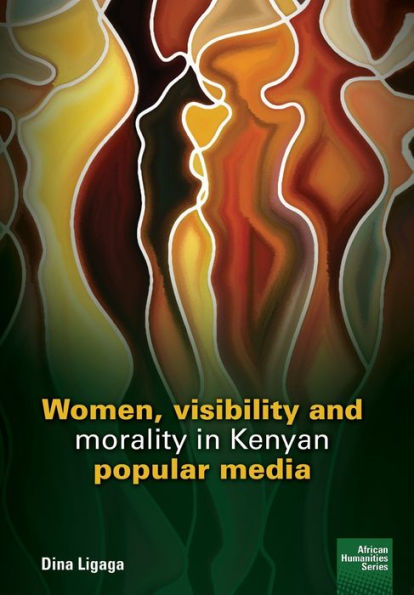
Women, visibility and morality Kenyan popular media in Franklin, TN
Current price: $46.20
Barnes and Noble
Women, visibility and morality Kenyan popular media in Franklin, TN
Current price: $46.20
Loading Inventory...
Size: Paperback
Women, visibility and morality in Kenyan popular media
explores familiar constructions of femininity to assess ways in which it circulates in discourse, both stereotypically and otherwise. It assesses the meanings of such discourses and their articulations in various public platforms in Kenya. The book draws together theoretical questions on 'pre-convened' scripts that contain or condition how women can circulate in public. The book asks questions about particular interpretations of women's bodies that are considered transgressive or unruly and why these bodies become significant symbolic sites for the generation of knowledge on morality and sexuality. The book also poses questions about genre and representations of femininity. The assertion made is that for knowledges of femininity to circulate effectively, they must be melodramatic, spectacular and scandalous. Ultimately, the book asks how such a theorisation of popular modes of representation enable a better understanding of the connections between gender, sexuality and violence in Kenya.
explores familiar constructions of femininity to assess ways in which it circulates in discourse, both stereotypically and otherwise. It assesses the meanings of such discourses and their articulations in various public platforms in Kenya. The book draws together theoretical questions on 'pre-convened' scripts that contain or condition how women can circulate in public. The book asks questions about particular interpretations of women's bodies that are considered transgressive or unruly and why these bodies become significant symbolic sites for the generation of knowledge on morality and sexuality. The book also poses questions about genre and representations of femininity. The assertion made is that for knowledges of femininity to circulate effectively, they must be melodramatic, spectacular and scandalous. Ultimately, the book asks how such a theorisation of popular modes of representation enable a better understanding of the connections between gender, sexuality and violence in Kenya.
Women, visibility and morality in Kenyan popular media
explores familiar constructions of femininity to assess ways in which it circulates in discourse, both stereotypically and otherwise. It assesses the meanings of such discourses and their articulations in various public platforms in Kenya. The book draws together theoretical questions on 'pre-convened' scripts that contain or condition how women can circulate in public. The book asks questions about particular interpretations of women's bodies that are considered transgressive or unruly and why these bodies become significant symbolic sites for the generation of knowledge on morality and sexuality. The book also poses questions about genre and representations of femininity. The assertion made is that for knowledges of femininity to circulate effectively, they must be melodramatic, spectacular and scandalous. Ultimately, the book asks how such a theorisation of popular modes of representation enable a better understanding of the connections between gender, sexuality and violence in Kenya.
explores familiar constructions of femininity to assess ways in which it circulates in discourse, both stereotypically and otherwise. It assesses the meanings of such discourses and their articulations in various public platforms in Kenya. The book draws together theoretical questions on 'pre-convened' scripts that contain or condition how women can circulate in public. The book asks questions about particular interpretations of women's bodies that are considered transgressive or unruly and why these bodies become significant symbolic sites for the generation of knowledge on morality and sexuality. The book also poses questions about genre and representations of femininity. The assertion made is that for knowledges of femininity to circulate effectively, they must be melodramatic, spectacular and scandalous. Ultimately, the book asks how such a theorisation of popular modes of representation enable a better understanding of the connections between gender, sexuality and violence in Kenya.
You May Also Like














More About Barnes and Noble at CoolSprings Galleria
Barnes & Noble is the world’s largest retail bookseller and a leading retailer of content, digital media and educational products. Our Nook Digital business offers a lineup of NOOK® tablets and e-Readers and an expansive collection of digital reading content through the NOOK Store®. Barnes & Noble’s mission is to operate the best omni-channel specialty retail business in America, helping both our customers and booksellers reach their aspirations, while being a credit to the communities we serve.
1800 Galleria Blvd #1310, Franklin, TN 37067, United States
Find Barnes and Noble at CoolSprings Galleria in Franklin, TN
Visit Barnes and Noble at CoolSprings Galleria in Franklin, TN